
News
Archives: 2025 | 2024 | 2023 | 2022 | 2021 | 2020 | 2019 | 2018 | 2017
-
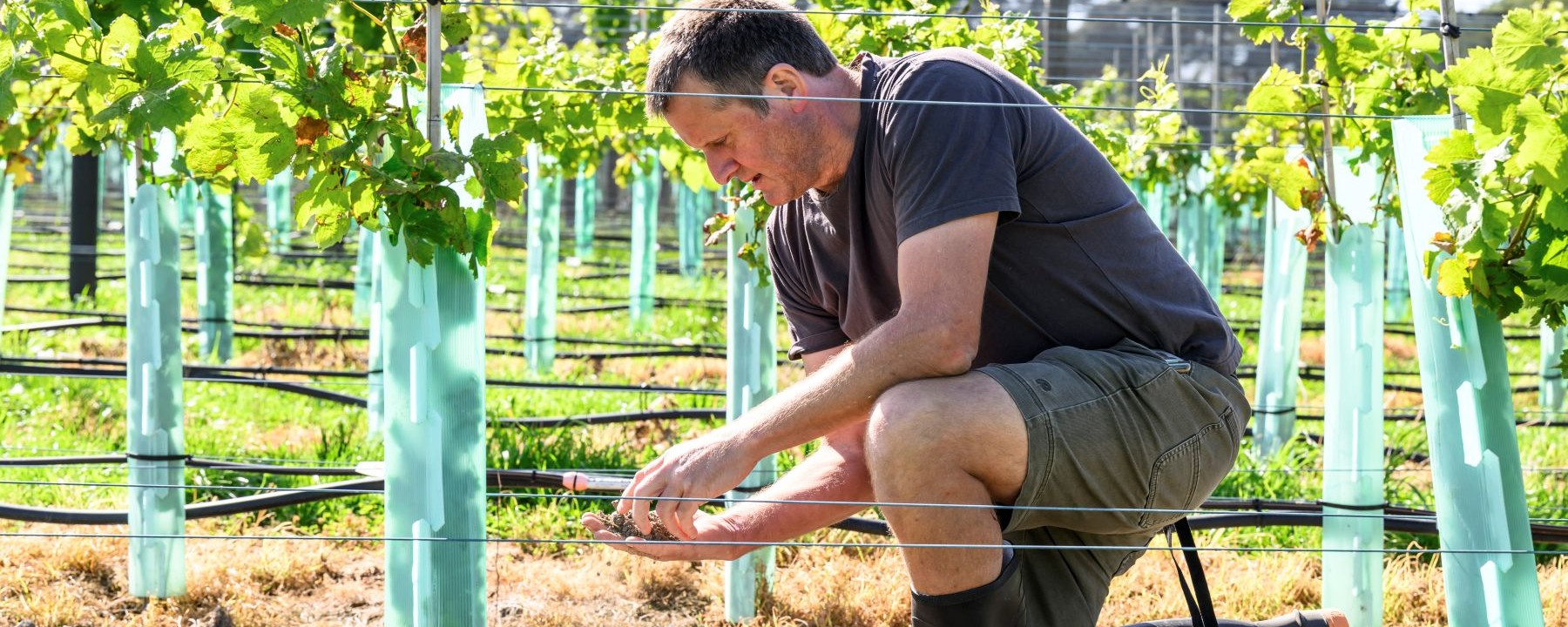
Bragato: Circular waste programme turns winery waste into vineyard resource
Thousands of tonnes of Marlborough winery waste will be transformed into a valuable resource for vineyards through a new programme led by Bragato Research Institute.
-

Motu: Auckland firm performance in Covid-19 lockdown
Research by Motu Economic and Public Policy Research has shed new light on the economic impact of Auckland's region-specific Covid-19 lockdowns.
-
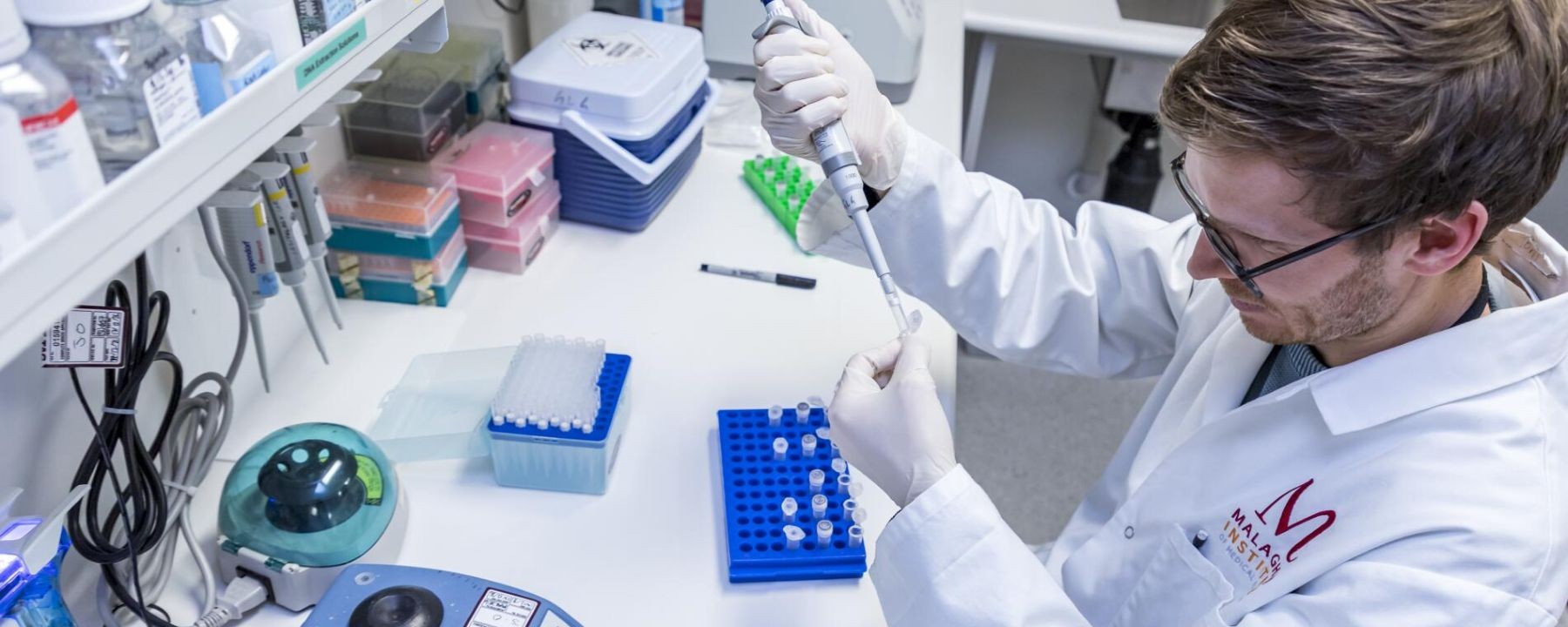
Malaghan to collaborate with IARC/WHO on stomach cancer
Malaghan's research into Helicobacter pylori - a bacterium that is the leading cause of stomach cancer - has led to a global collaboration with IARC.
-

Connections 61 eNewsletter out now
August 2026: Another bumper issue of the IRANZ newsletter is out now.
News
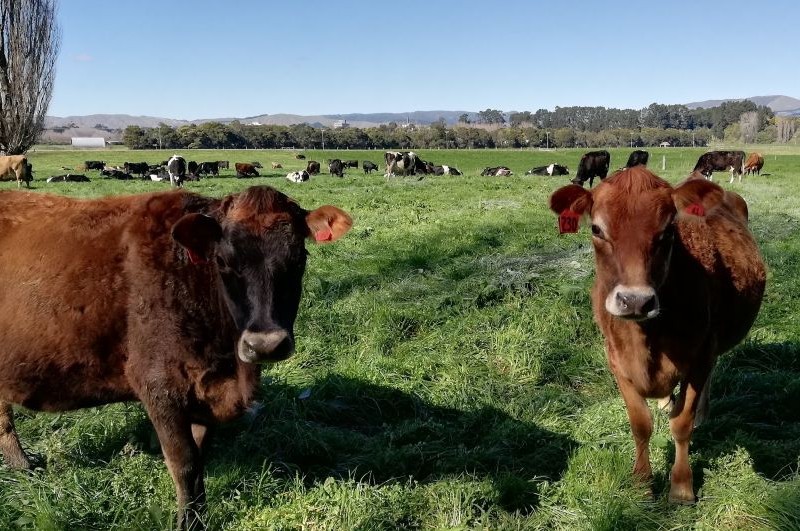
LASRA: Verified provenance for leather
September 2026: The story of leather increasingly begins before the tannery, with international expectations placing greater emphasis on provenance, responsible production, and evidence throughout the supply chain.
In this article, Geoff Holmes, Director of the New Zealand Leather and Shoe Research Association (LASRA), explores how New Zealand could use existing information from livestock production, meat processing, and leather manufacture to strengthen the provenance story behind its leather.
Expectations are broadening beyond tannery performance to include animal origin, land use, nature, animal welfare, and supply-chain due diligence. For New Zealand, the opportunity may be less about creating another system and more about connecting existing evidence into a credible production story.
LASRA research is investigating whether provenance can be supported by evidence within the leather itself. Recent research published in Talanta explored chemical markers in wet-blue leather using visible-near-infrared spectroscopy and machine learning.
The approach could complement farm records and chain-of-custody, connecting traceability with measurable evidence.
Photo: LASRA.
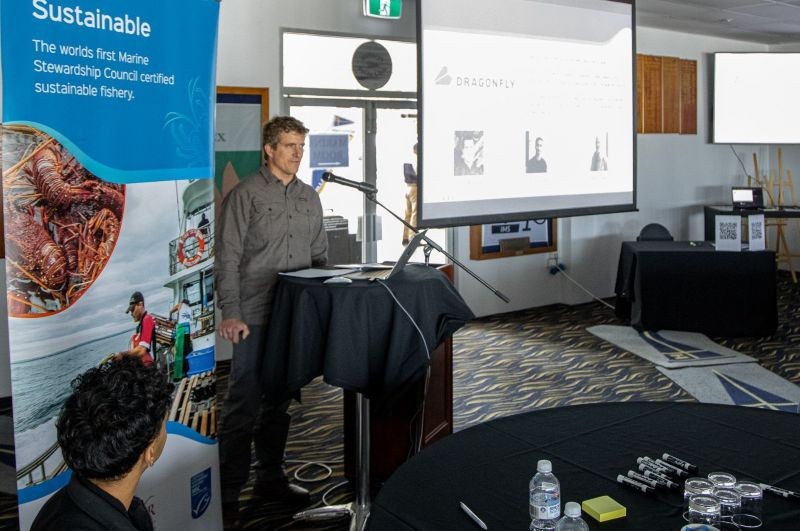
Dragonfly Data Science: Putting fishery data into action
September 2026: Dragonfly Data Science team members Dr Philipp Neubauer, Mark Jones, and Kusal Ekanayake joined Western Rock Lobster's Digital Ecosystem Roadshow in Western Australia to show fishers how data analysis and new technology can support fishing operations.
Western Rock Lobster (WRL), the peak body for Australia's commercial rock lobster industry, recently launched Member Central, a digital ecosystem providing fishers with access to services including catch recording, trip planning, safety training, community forums and an e-commerce platform.
Dragonfly ran workshops at events in Hillarys and Geraldton, sharing examples of its work with New Zealand fisheries, including the Bluff Oyster Fishery, pāua mapping, and its "Right Time Right Place" project.
Dragonfly specialises in analysing fishery data to develop tailored solutions that can help optimise fisheries' operations and sustainability.
"It wasn't until we were sitting down with the fishers on the roadshow asking about their day-to-day that we were able to understand how we could apply our technology to their processes or help mitigate their concerns," says Philipp.
Photo: Dragonfly Data Science.
Cawthron: Smart buoy protects Hector's dolphins during wharf rebuild
September 2026: A new collaboration in marine technology is helping safeguard threatened Hector's dolphins during the redevelopment of Akaroa Wharf.
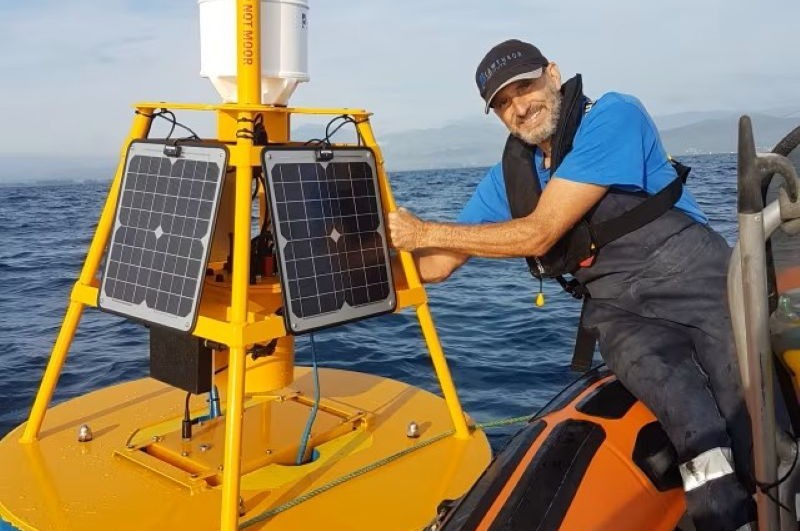
As the 137-year-old wharf undergoes a major rebuild, Cawthron's Blue Technology Group has partnered with Cetaware and Ocean Intelligence to deploy an innovative acoustic monitoring buoy in Akaroa Harbour.
Cawthron Research and Development Engineering Team Lead Paul Barter said the technology represents a significant advancement in acoustic monitoring.
"It's being used for both marine mammal detection and ensuring adaptive management so that the construction company remains within their consent limits."
Designed and built by Cawthron, the buoy houses a Cetaware system that uses artificial intelligence to continuously listen for the calls of marine mammals, with potential detections transmitted to a custom interface developed by Ocean Intelligence.
Paul Barter, R&D Engineering Team Leader, Cawthron Institute, with the acoustic monitoring buoy deployed this month in Akaroa. Photo: Cawthron.

BRANZ: NZ's most overlooked natural hazard
September 2026: An independent review into the Mount Maunganui landslide found that the hazard had been identified years before disaster struck. The lesson extends well beyond one campground: as extreme weather intensifies, New Zealand must rethink how and where it builds to better manage landslide risk to homes, buildings and communities, says a recent BRANZ article.
"The independent review released into the Mount Maunganui landslide delivers a sobering conclusion. The hazard was neither unknown nor unforeseeable. As retired High Court Judge Paul Davison noted, this was 'preventable' and 'a systemic failure with tragic consequences'.
"While the review focuses on a specific tragedy, its findings raise a much broader question for New Zealand. How many other homes, buildings and communities sit in areas where known natural hazards are underestimated, poorly understood, or insufficiently planned for?
"The answer matters, because landslides are not rare events or isolated incidents. They are one of New Zealand's most significant natural hazards, yet they receive a fraction of the attention devoted to earthquakes and volcanic eruptions."
Mount Maunganui. Photo: BRANZ.
Aqualinc: Inspiring the Future Aotearoa
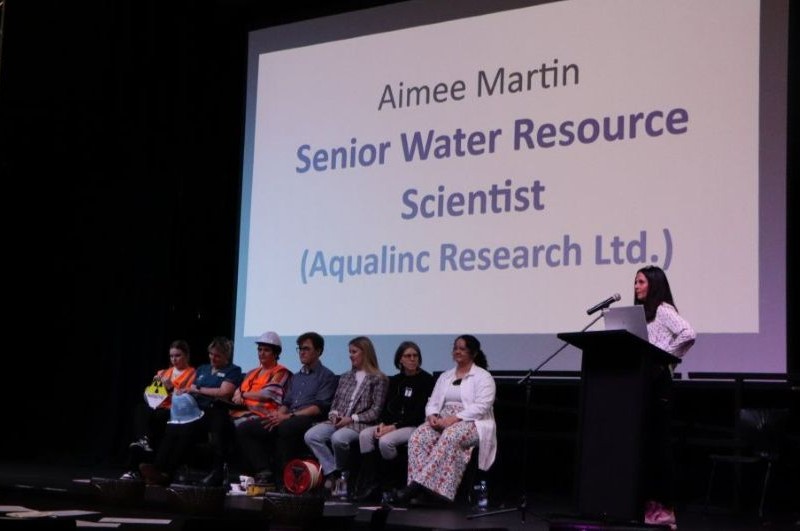
September 2026: Aimee Martin, a Senior Water Resource Scientist at Aqualinc Research, recently attended an Inspiring the Future event at Rolleston College and was involved in a 'guess my job' event with Year 9 & 10 students. "They guessed I was a solar panel engineer, an arborist, and an environmental scientist - so close. We then had a pizza lunch with Year 11 & 12 students where we rotated around tables and the kids had a chance to ask awesome questions about careers in science.
"It was extremely rewarding and a chance to give back some of my time to hopefully inspire our next generation of scientists - and water experts. The kids were super engaged; they asked great questions, and they got particularly excited when I pulled out the water level dipper and told them it had been used at their school. I never knew my job existed when I was at high school. The difference an event like this would have made when I was at school would have opened so many opportunities."
Inspiring the Future is a new programme for schools across Aotearoa New Zealand that has been created to broaden young people's horizons and help challenge stereotypes that can limit their potential. At an event young people learn about different jobs and why people love doing them, as well as how those people got started in their careers.
Photo: Aqualinc.

Urban Intelligence: Planning for a future that may not arrive
September 2026: Dr Tom Logan, Chief Technology Officer at Urban Intelligence, writes about preparing for an uncertain future.
"Climate risk assessments often do a reasonable job of acknowledging that the future is uncertain. They might present a range of sea-level rise scenarios, discuss uncertainty in emissions pathways, or recognise that future conditions cannot be predicted precisely. The problem is what happens when that uncertainty has to be translated into an actual planning decision. At that point, the range of plausible futures is often reduced to a single number that can be designed around. A better approach is to make the decision itself robust to uncertainty: test how options perform across a range of plausible futures, identify the conditions under which they stop working, and adapt as those conditions emerge.
"In our recent publication, led by Dr Patrick Curran, we examined this problem through a review of 39 climate risk and vulnerability assessments from cities around the world, using sea-level rise as a case study. We looked at how uncertainty was represented in the assessment itself, and then how that uncertainty was used when making policy recommendations or planning decisions. To do this, we used the Levels of Uncertainty framework."
Photo: Urban Intelligence.
Lincoln Agritech: Turning poultry waste into high-value fertiliser
September 2026: New Zealand's largest egg producer generates a lot of organic waste, including manure and end-of-lay hens. Managing that waste safely is complex. Lincoln Agritech has partnered with Zeagold Nutrition to turn it into something valuable instead.
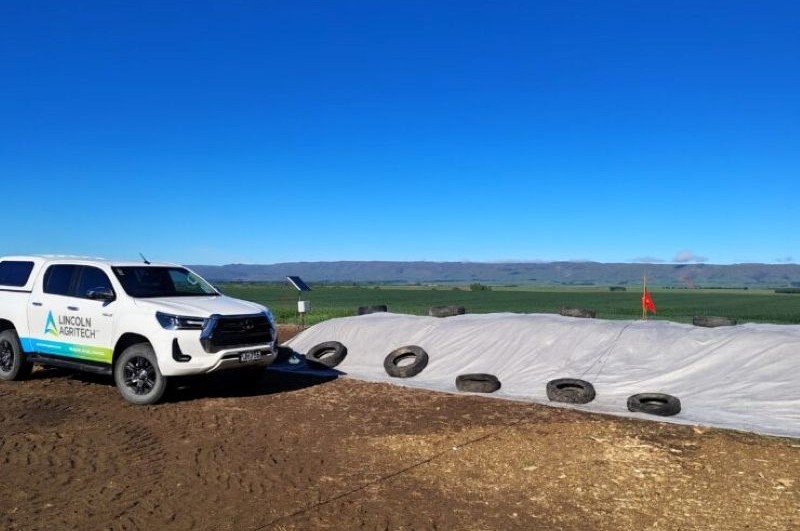
Through controlled field trials, Lincoln Agritech researchers tested different composting and conditioning approaches using poultry waste alongside carbon materials like wood chip and plant matter.
The trials showed strong results: the process safely broke down organic material and produced a nutrient-rich compost, suitable for on-farm use or further processing into concentrated pelletised fertiliser products.
That creates a new pathway for waste that would otherwise require disposal, turning it into a useful, marketable input instead.
Lincoln Agritech are continuing to support Zeagold as it scales up production and refines the product for market. The goal is a commercially viable solution that reduces waste, creates new revenue streams, and offers a locally made, sustainable alternative to imported fertiliser.
For Zeagold, and for other producers generating similar waste streams, this provides an alternative to disposal, turning a cost into a sellable product.
Photo: Lincoln Agritech.
Malaghan: New approach to vaccine design for broader immunity
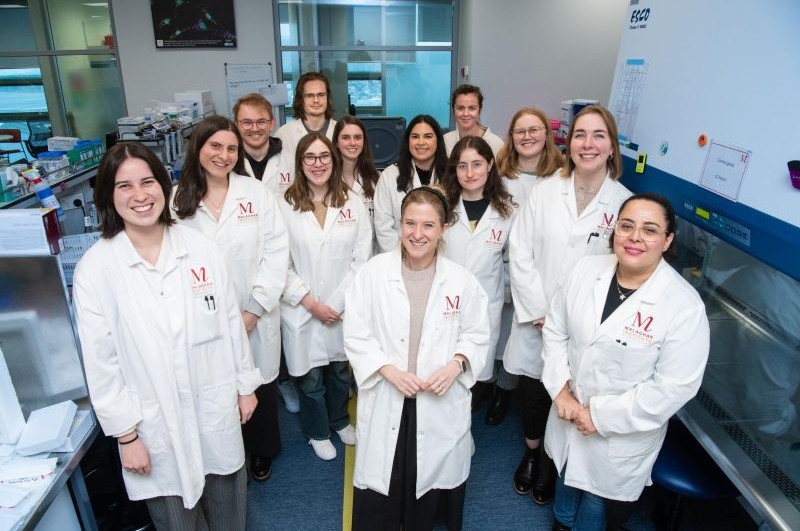
September 2026: New research by the Malaghan's Connor Laboratory, published in the prestigious PNAS journal, shows how directing the immune system towards conserved areas of the Covid virus and its many variants, using RNA technology, could be a significant step towards designing broad-spectrum vaccines.
The strength of vaccines in fighting infections is that an antigen can be presented to the immune system to create highly specific protection. But that specificity can be a double-edged sword. While strong protective immunity can be generated from a single antigen, the protection is only effective as long as that antigen doesn't change - a problem for rapidly mutating viruses like Covid or influenza.
Viruses are incredibly adept at mutating and altering their structure to evade detection by the immune system - a process known as antigenic drift. The current solution is to design new vaccines each year to keep up. While effective, it comes at a significant cost and requires populations to be regularly vaccinated to maintain widespread immunity and prevent outbreaks and pandemics.
"Like many viruses, the Covid virus changes frequently with multiple different circulating strains globally," says Dr Isabelle Montgomerie, a postdoc in the Connor Lab.
The Connor Lab. Photo: Malaghan Institute of Medical Research.

MRINZ: No survival difference in approaches to septic shock
September 2026: A major international study has found no difference in survival or hospital stay between two approaches to treating septic shock.
Published in The New England Journal of Medicine, the ARISE FLUIDS trial involved 1,000 adults with septic shock across 51 hospitals in Australia, New Zealand, and Ireland. Researchers compared a restricted-fluid, early-vasopressor approach with more intravenous fluid and later use of vasopressors.
The study found no difference in the number of days patients spent in hospital over the following three months, while 90-day survival was also similar. However, patients receiving early vasopressors were given less intravenous fluid and had lower rates of fluid accumulating in the lungs (0.6% compared with 5.0%).
The study was led in New Zealand by Associate Professor Peter Jones of the University of Auckland and Te Toka Tumai Auckland, and project managed by Sally Hurford, Senior Project Manager at the Medical Research Institute of New Zealand (MRINZ).
Associate Professor Jones says the findings provide clinicians with evidence that either approach can be used, depending on individual patient circumstances and local resources.
Image: MRINZ.
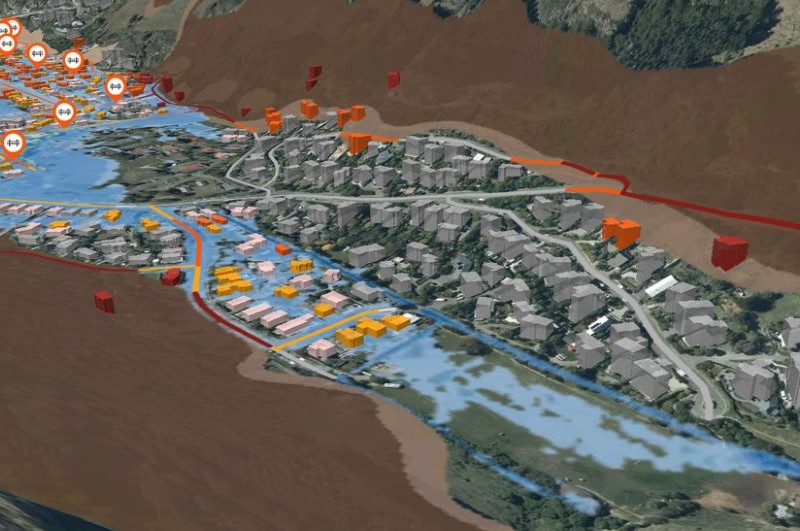
Urban Intelligence: Multi-hazard considerations for community and infrastructure resilience
September 2026: Dr Mitchell Anderson, Co-Founder and CEO of Urban Intelligence, writes about the importance of multi-hazard considerations for building community and infrastructure resilience.
"Multi-hazard events carry the largest losses and consequences to our communities. Reclassified EM-DAT records show that 19% of documented events can be classed as multi-hazard, yet those events accounted for 59% of global damage and losses. Yet failing to consider multi-hazard in land use, asset, emergency, and adaptation planning produces uninformed decisions, poor prioritisation and resource allocation, and, in some cases, increased risk.
"Almost every place on Earth faces more than one natural hazard. Yet the way we assess, plan for, and communicate risk in these multi-hazard environments often ignores how hazards overlap, interact, or compound.
"Intuitively, we can all picture a coastal community that sits between mountainous terrain and the sea, rich with aquifers that supply rural communities and agriculture, and a river flowing through the town out to the coast. Ask anyone in that community what hazards could affect them, and you'll quickly build up that multi-hazard landscape."
Image: Urban Intelligence.
Cawthron/RNZ: Searching NZ waters for skincare breakthroughs
September 2026: Scientists are searching New Zealand waters for marine organisms that could be the secret breakthrough ingredient for skincare products such as sunscreen and anti-aging creams. Radio New Zealand's Alexa Cook reports on the project.
Cawthron Institute and Callaghan Innovation's Biotechnologies Group are New Zealand partners in OCEOMICS, a Horizon Europe-funded project involving 12 organisations across eight countries, led by Spanish research institute AINIA.
Cawthron will lead research into marine microalgae, while Callaghan Innovation's Biotechnologies Group will study marine bacteria from New Zealand waters - including samples from pristine coastal, sub-Antarctic and subtropical environments.
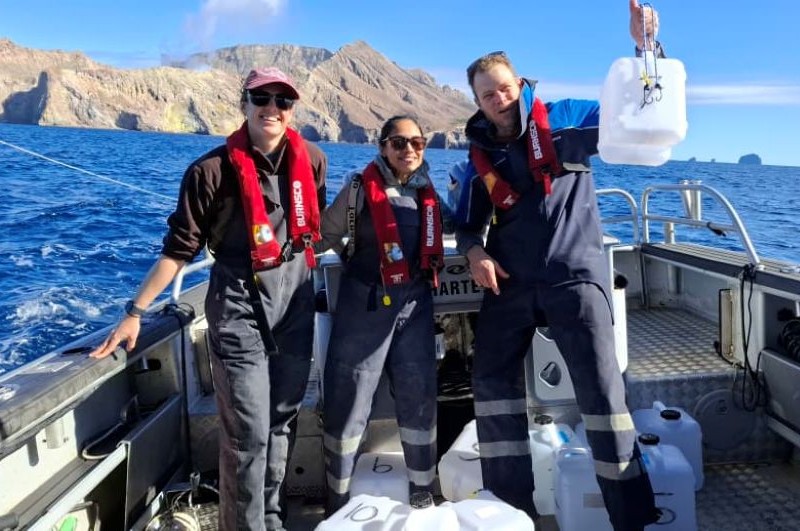
The kiwi scientists have just collected their first batch of marine organism samples, from Whakaari White Island where Cawthron scientist Karthiga Kumanan used a variety of different methods.
"We collected samples from 10 different locations, so 10 times a one litre container of direct water. We also collected concentrated samples so using a plankton net which is like a fishing net. We dragged the net 300 metres to concentrate whatever is in the water," says Karthiga.
Cawthron scientists Courtney Moir, Karthiga Kumanan and Nick Hearn with some of their samples. Photo: Cawthron Research Institute.

Connections 61 eNewsletter out now
August 2026: Another bumper issue of the IRANZ newsletter is out now. It's chock full of the latest independent science research news from around Aotearoa New Zealand.
Trust in science under spotlight at Thomas Cawthron Lecture
Malaghan to collaborate with IARC/WHO on stomach cancer
Aqualinc: Christchurch's shallow groundwater monitoring network
DOC and Cawthron signed agreement on aquatic conservation
Te Tira Whakamātaki: A Māori response to H5N1
Lincoln Agritech advances textile recycling innovation
Bragato: Circular waste programme turns winery waste into resource
Spatial Justice: Badly-designed streets cost us our health
BRANZ: Kiwi homes warmer, but bedrooms still cold
Motu: Effectiveness of youth mental health intervention
Mackie Research explores factors behind fatal crashes
New rig strengthens WSP's road testing capability
. . . And much more.
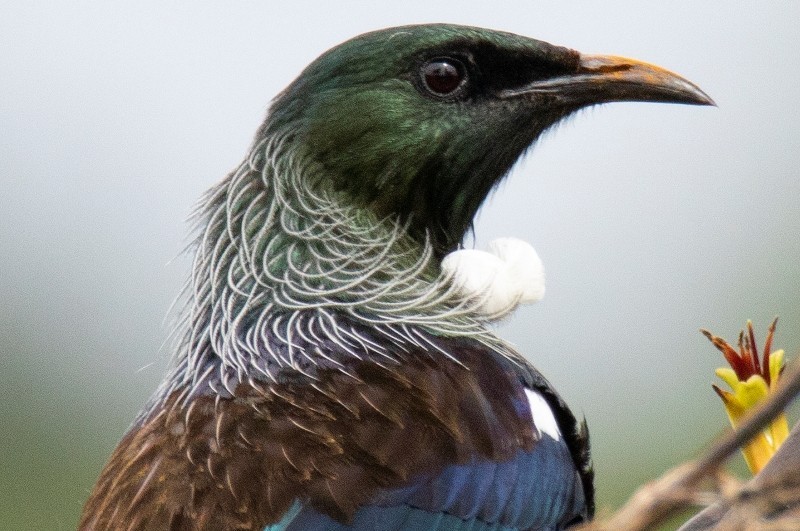
Te Tira Whakamātaki has launched the Mātaki Māori Biosecurity Network's HPAI Reporter, enabling communities to report sick or dead wildlife and document the resources required to respond. Tūī. Photo: Louise Thomas.

IRANZ August news briefs
August 2026: Follow the link for more details on the August 2026 news briefs from our Independent Research Organisations.
- BRANZ: 2026 ArchEngBuild Challenge
- Dragonfly Data Science is the new home for Croissant
- Malaghan visiting researcher: Dr Lauren Holz
- Lincoln Agritech's 2025 Annual Review
- Motu: Arthur Grimes awarded NZ Association of Economics Distinguished Fellow
- Bragato: New canopy system passes first wine test
- Cawthron scientists secure funding for mitochondrial innovation in aquaculture
- Dragonfly Data Science: Deckhand customer support team
- Bragato: Innovations in bulk wine shipping
- BRI Board: Powering wine research for New Zealand
- BRANZ: What's at stake for New Zealand's building research system?
- Malaghan: Reading the immune system, one puzzle piece at a time
- Malaghan: Clinical study to uncover the origins of a severe type of Crohn's disease
- ...and much more.
Dragonfly Data Science now houses "Croissant", an analysis tool that streamlines the process of analysing public submissions. Photo: Dragonfly Data Science.
Te Tira Whakamātaki: A Māori response to H5N1
August 2026: H5N1 bird flu, a contagious viral disease caused by the avian influenza virus that affects domestic and wild birds, and some mammals, is now in Aotearoa, raising urgent questions about how the country should respond - and what role Māori should have in protecting taonga species. In a new essay, writer and Slowing the Sun author Nadine Hura explores these questions with Te Tira Whakamātaki, Aotearoa's Indigenous Biodiversity network.
Hura examines concerns about the Government's One Health response, including Māori participation in decision-making, the protection of critically endangered species, and the role of tikanga and mātauranga Māori. She speaks with Te Tira Whakamātaki kaimahi taiao Rāwiri Walsh, who argues that doing nothing is not an option when native wildlife is at risk.
The essay also introduces “One Cuzzy”, an Indigenous alternative to One Health, that places relationships, whakapapa, and collective responsibility at its centre.
Te Tira Whakamātaki has also launched the Mātaki Māori Biosecurity Network's HPAI Reporter, enabling communities to report sick or dead wildlife and document the resources required to respond. "It helps us see what's happening because kaitiaki out on the whenua and the moana notice things long before any agency does."
Photo: Louise Thomas.
Bragato: Circular waste programme turns winery waste into valuable vineyard resource
August 2026: Thousands of tonnes of Marlborough winery waste could be transformed into a valuable resource for vineyards through a new regional programme led by Bragato Research Institute.
The Marlborough Circular Wine Programme will collect winery lees, the sediment left over from winemaking, and combine it with materials such as compost and biochar to produce a safe, beneficial soil amendment. The initiative aims to reduce waste and emissions while returning organic matter and nutrients to vineyard soils.
Large volumes of lees are produced over a relatively short winemaking period during and after vintage. They can be expensive to dispose of and place pressure on regional waste-management infrastructure. As disposal costs rise and environmental expectations increase, wineries need a more sustainable alternative.
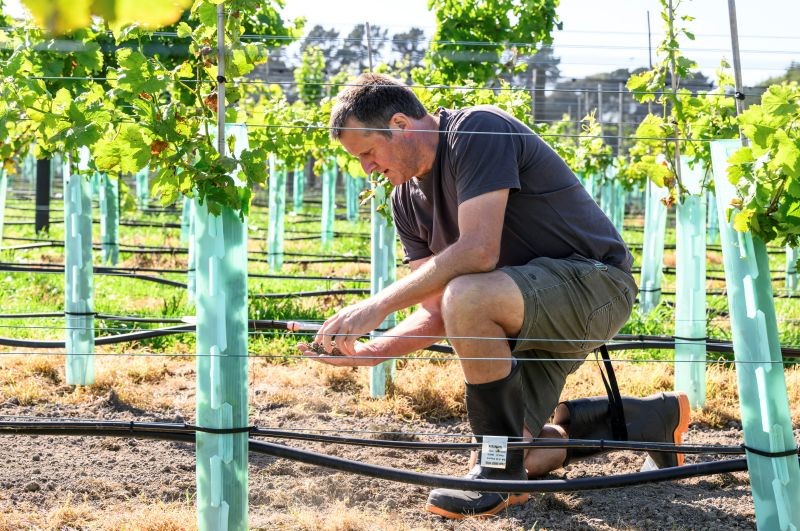
"Marlborough wineries produce large volumes of solid and liquid lees, which is currently treated as waste," says Programme Leader Dr Seth Laurenson. "Our goal is to create a coordinated regional system that safely returns that organic matter and its nutrients to vineyard soils."
Wineries will pay a fee competitive with landfill costs, with the finished product returned to participating vineyards.
Programme Leader Dr Seth Laurenson. Photo: Bragato Research Institute.

Mackie Research explores factors behind fatal crashes
August 2026: Mackie Research has carried out a new study examining fatal road crashes, using a Safe System approach to better understand the combination of factors involved.
The recent report, Contributing Factors to Fatal Crashes: A Safe System Analysis of Contextual Factors, was prepared by Sam Wrightson, Hamish Mackie, Rebecca Luther, Julia Mackie, Emily Mackie and Maxwell Wrightson, and funded by the AA Research Foundation.
The study analysed 200 fatal crashes from 2024, representing around 80% of road fatalities that year. It found that 99% involved more than one Safe System failure, with 56% involving failures across all four pillars: roads and roadsides, speed, vehicles, and road users.
While extreme behaviours such as excessive speed or impaired driving were present in about half of fatal crashes, Mackie Research Director Julia Mackie says the findings reinforce that fatal crashes rarely have a single cause. "People make mistakes, but the wider system needs to be designed so those mistakes do not result in death or serious injury."
The research identifies persistent patterns including rural run-off-road and head-on crashes, vehicle safety issues, and crashes involving pedestrians, cyclists, and motorcyclists.
Photo: Adrian Krajcar, UnSplash.

Bragato: New canopy system passes first wine test
August 2026: Early winemaking results from Bragato Research Institute's Next Generation Viticulture (NGV) Programme suggest a novel vineyard canopy system can reduce vineyard workload without compromising Sauvignon Blanc quality.
The programme is investigating innovative six-, nine- and 12-vertical-cordon systems designed to reduce canopy density, improve efficiency, and support vineyard profitability. In the first vintage, the 6V system produced lower sugar and yeast assimilable nitrogen (YAN) than conventional cane-pruned vines, with high crop levels likely contributing to slower ripening and fermentation.
However, early results from the 2026 vintage show YAN levels have improved as crop levels moderated, with the 6V vines reaching similar sugar concentrations to controls at almost the same time.
Winemaking results from 2025 showed generally similar chemical and sensory profiles between 6V and conventional vines. While some thiol and methoxypyrazine concentrations differed, these differences did not consistently translate into noticeable sensory differences.
Paul Epee, from Bragato Research Institute, writes that the results indicate the 6V system can deliver viticultural benefits while preserving Sauvignon Blanc quality.
Photo: Bragato Research Institute.
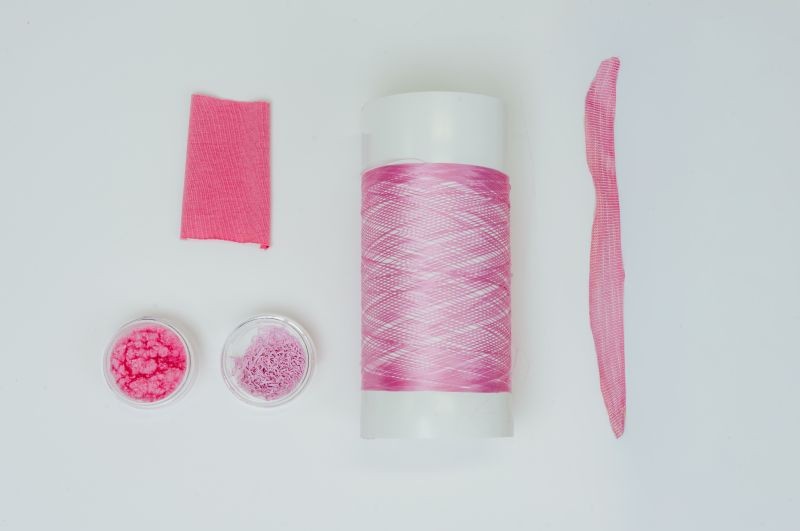
Lincoln Agritech advances textile recycling innovation
August 2026: Lincoln Agritech is developing a novel fibre-to-fibre textile recycling technology aimed at tackling one of the industry's biggest circularity challenges: blended fabrics.
Traditional recycling methods often struggle to recover value from blended and lower-purity textile waste, resulting in materials being downcycled or sent to landfill. Lincoln Agritech's green chemistry process separates blended textiles into their constituent fibres, enabling them to be recovered and re-spun into new textile feedstock of comparable quality.
The technology is designed for containerised deployment at manufacturing sites, targeting post-industrial textile waste before it enters the waste stream. Interest in the innovation was reinforced at the Textiles Recycling Expo 2026 in Brussels, where industry discussions highlighted growing momentum behind circularity, advances in recycling technologies, and the importance of collaboration across the textile value chain.
Following positive industry feedback, KiwiNet is supporting the next stage of development, including additional testing, environmental assessment, intellectual property protection and commercialisation planning, helping position the technology for future investment and industry adoption.
Lincoln Agritech has developed a sustainable fibre-to-fibre conversion process that can separate and re-spin complex textile composites. Photo: Lincoln Agritech.

Bragato: New research unravels reductive Pinot Noir
August 2026: A three-year PhD project at the University of Auckland, in collaboration with Bragato Research Institute, has shed new light on the complex factors behind reductive off-aromas in New Zealand Pinot Noir.
Sukhpreet Kaur Gill's research, conducted over three vintages at BRI's Research Winery, found elemental sulphur was the most consistent factor influencing volatile sulphur compounds (VSCs), which can produce aromas ranging from rotten egg and onion to struck match.
The study also revealed important interactions between sulphur, nitrogen availability and whole-bunch fermentation. High sulphur and nitrogen, combined with 75% whole-bunch inclusion, produced particularly elevated levels of compounds associated with onion and cooked cabbage aromas.
Copper timing also proved significant. Pre-fermentation additions reduced some VSCs without leaving meaningful residual copper, while post-fermentation additions could leave higher residual levels and potentially contribute to VSC release during bottle ageing.
The research highlights that reductive aromas are not caused by a single factor, but by decisions made from vineyard to bottle.
Photo: Bragato Research Institute.

New rig strengthens WSP's road testing capability
August 2026: WSP has taken delivery of a new towable coring rig for testing the strength of newly constructed roads. The rig, from UK manufacturer Xcalibre, replaces an older unit that had been in service since 1975.
WSP team leader for testing services Zac Francis says taking core samples is a vital part of road engineering and construction. It helps ensure materials meet national standards and project specifications.
The new rig can collect samples from all road layers, including base course, sub-base, and asphalt. It can take samples using wet and dry coring methods and can accurately reach the right part of the road thanks to a side-shift drilling feature. Core samples are taken back to the WSP laboratory and tested for strength, density, and air voids to check the road meets specifications and will perform as expected during its design life.
Zac says core sampling also provides a useful comparison between laboratory results and real-world performance.
"Materials produced and tested in the lab are assessed under ideal conditions, but on a construction site factors such as weather, equipment and workmanship can all affect the final result. By testing samples taken directly from the road, we can see if the required standards have been achieved in practice."
WSP's new towable coring rig for testing the strength of newly constructed roads. Photo: WSP.

Motu: Auckland firm performance in Covid-19 lockdown
August 2026: Research by Motu Economic and Public Policy Research has shed new light on the economic impact of Auckland's region-specific Covid-19 lockdowns, finding the restrictions had a substantial but relatively short-lived effect on business activity.
Researcher Richard Fabling analysed the impact of the lockdowns on firm sales revenue and expenses using a matched difference-in-difference dataset covering almost all private sector firms in New Zealand. The study compared Auckland businesses with a control group of firms in Christchurch to estimate the effect of the restrictions.
The analysis assumes a best-case scenario in which Covid-19 itself had no effect on Auckland's regional economy in the absence of lockdowns. Under that assumption, the initial reduction in sales for Auckland firms was similar in magnitude to the impact experienced by the businesses most affected by the Canterbury earthquakes, although the disruption was shorter in duration and closely matched the lockdown period.
The research also found that, while the initial nationwide lockdown appeared to have a greater overall impact, Auckland firms adapted relatively well to subsequent regional restrictions. The study was completed while Richard Fabling was Chief Researcher at the New Zealand Royal Commission on Covid-19 Lessons Learned.
Photo: Motu.

Trust in science under spotlight at Thomas Cawthron Lecture
August 2026: Cawthron Institute will host the 83rd Annual Thomas Cawthron Memorial Lecture on Tuesday 8 September in Nelson, featuring award-winning environmentalist and author Natalie Kyriacou OAM as keynote speaker.
At a time when environmental, social, and technological challenges are becoming increasingly complex, the ability to make informed decisions has never been more important. Whether responding to climate change, biodiversity loss, pollution, or emerging technologies, communities and decision-makers rely on trusted information and robust evidence to navigate uncertainty and plan for the future.
Yet in an increasingly crowded information landscape, distinguishing evidence from opinion is becoming more difficult. The rapid growth of digital media, social platforms and artificial intelligence is transforming how information is created, shared and consumed, creating new challenges for public trust, scientific understanding and informed decision-making.
This year's lecture, "Truth in a Noisy World: Science, Disinformation and Decisions for Our Future", will explore how disinformation is influencing public understanding and public debate, and what this means for society's ability to respond effectively to complex challenges.
2026 Annual Thomas Cawthron Memorial Lecture keynote speaker Natalie Kyriacou OAM. Photo: Cawthron.
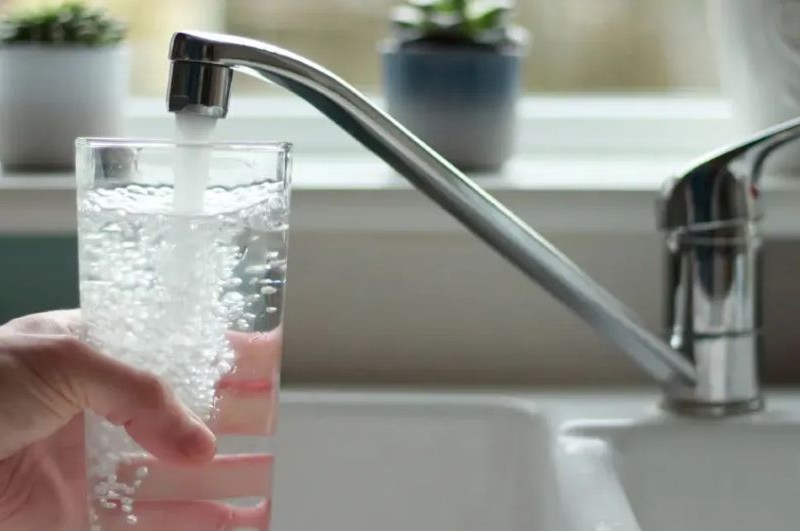
Aqualinc: Does your water supply need to be registered?
August 2026: Good news for many rural landowners - if your bore or drinking water supply serves fewer than 25 people, you may no longer need to register as a drinking water supplier with Taumata Arowai. If your supply is still considered a regulated drinking water supply, the compliance requirements have also been simplified.
If you supply water to multiple households as a shared domestic supply serving fewer than 25 people, and the water is only for domestic use, you are generally no longer considered a regulated drinking water supplier and do not need to register your water supply.
However, if your supply also provides drinking water for employees, or additionally supplies a public, commercial, or community facility (for example, a café, marae, or hall), it will likely still be considered a regulated drinking water supply.
If your supply is required to be registered, you have a legal obligation to provide safe drinking water and meet the requirements of your supply size category. Water suppliers can choose between two compliance pathways: Follow the requirements of the relevant supply category (eg: Very Small Community Supply, Small Supply) under the Drinking Water Quality Assurance Rules; or follow a pre-defined 'Acceptable Solution'. Acceptable Solutions are ready-made solutions that specify the treatment, monitoring, and management requirements for common types of drinking water supply.
Photo: Aqualinc.
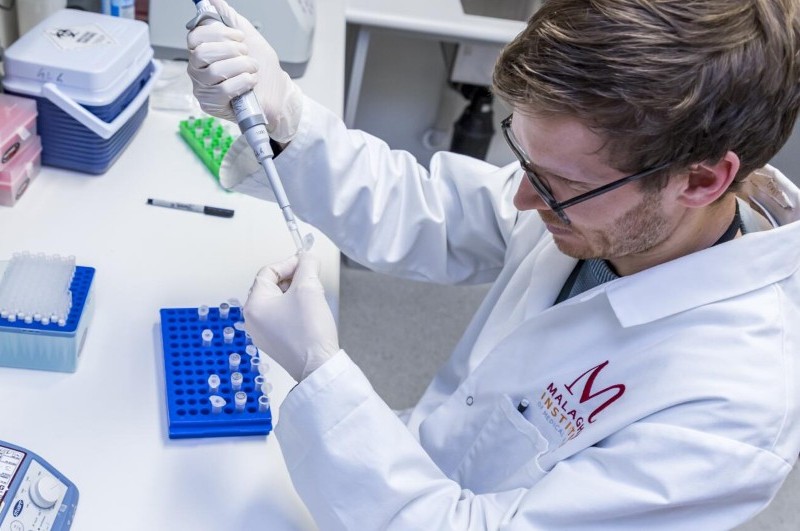
Malaghan to collaborate with IARC/WHO on stomach cancer
July 2026: The Malaghan Institute of Medical Research's research into Helicobacter pylori - a bacterium that is the leading cause of stomach cancer - has led to a global collaboration with the International Agency for Research on Cancer (IARC), the cancer research agency of the World Health Organization.
The Memorandum of Understanding will support research into stomach cancer prevention and control by addressing H. pylori infection - including tackling antibiotic resistance, developing screen-and-treat strategies and sharing scientific findings and methods.
Dr Tom Mules says the MOU is recognition that the Malaghan's H. pylori research and expertise has relevance well beyond New Zealand.
"Working with the IARC gives us the chance to contribute directly to the evidence base and toolkit that could shape stomach cancer prevention and control internationally."
The Malaghan Institute's H. pylori clinical research programme has been running since 2024, initially focused on developing new methods to test for antibiotic resistance, and expanding into a number of projects aimed at improving how H. pylori infection is diagnosed and treated.
Globally, stomach cancer ranks fifth in both cancer incidence and cancer-related deaths.
Photo: Malaghan Institute of Medical Research.

Motu: Effectiveness of youth mental health intervention & prevention
July 2026: Adolescence and young adulthood are sensitive periods for the development of mental distress, and timely support can prevent early signs of distress from escalating.
A recent review by Motu sociologist and demographer Dr Kate Prickett examines the effectiveness of early intervention and secondary prevention approaches for supporting the mental health and wellbeing of young people and rangatahi aged 12-24 years, with a particular focus on those experiencing low to moderate distress.
The review draws on a structured scan of published and grey literature, identifying 20 evaluation papers covering 16 interventions across therapy-based brief interventions, community-based services, e-therapy, digital tools, and family-integrated approaches.
Overall, the evidence suggests that many early intervention and secondary prevention supports, including brief and low-intensity approaches, can reduce distress and improve wellbeing, functioning, and coping. Effects were most consistent for broad outcomes such as distress, wellbeing, and functioning, while findings for anxiety and depressive symptoms were more mixed.
Accessibility, youth-friendly delivery, sustained engagement, and co-design with young people emerged as important enablers of effectiveness.
Photo: Micheile Henderson, Unsplash.
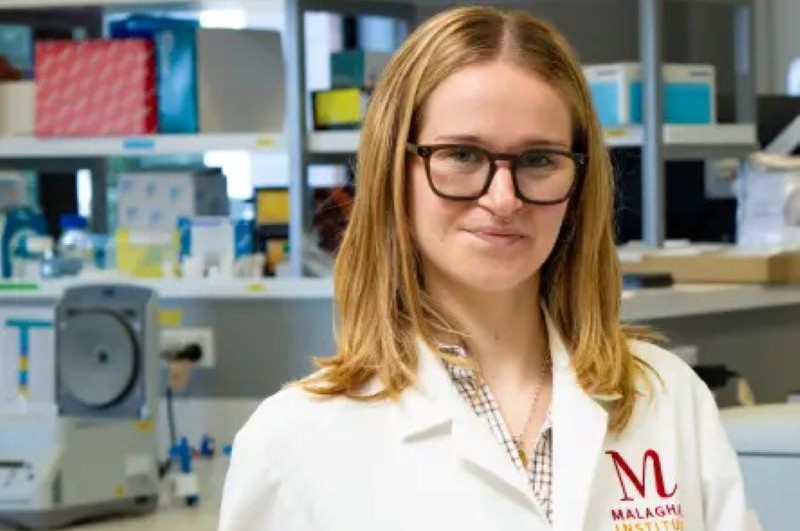
Malaghan: Reading a tumour's fingerprint for personalised immunotherapies
July 2026: Immunotherapies have transformed outcomes for many patients, training the immune system to recognise and attack tumours more precisely. But these therapies don't work for everyone, and right now, there's often no way to know in advance who will respond. For patients dealing with a serious illness, that can be time and hope wasted on a treatment, with none of the payoff.
"The fact that we even call all of these diseases cancer is kind of ridiculous," says Kate Nicholls, a PhD student in Malaghan's Hermans Laboratory who has spent the last few years immersed in cancer research.
What she means is that no two tumours are truly alike, and treatment should reflect that. Liver cancer and blood cancer, for instance, fall under the same umbrella term, 'cancer', she points out, yet they behave completely differently. Even two patients with the same diagnosis can have tumours that are completely different: different causes, different biology, different outcomes. Every tumour carries its own fingerprint, and that variation is a big part of why immunotherapies can be unpredictable. Making sense of it sits at the centre of Kate's PhD.
For Kate, the goal isn't just understanding cancer, it's making sure the right patients get the right treatment.
PhD student Kate Nicholls. Photo: Malaghan Institute of Medical Research.

Aqualinc: Christchurch's shallow groundwater monitoring network
July 2026: Following the 2010-2011 Christchurch earthquake sequence, a network of piezometers was installed by the Earthquake Commission across Christchurch to monitor shallow groundwater levels. This is referred to as the Automated Piezometer Programme (APP) network. In 2019, ownership of this network was passed to Christchurch City Council (CCC), and CCC engaged Aqualinc to manage this network on their behalf. The network is believed to be one of the largest shallow groundwater monitoring programmes globally.
Each year, the Aqualinc team visits each APP piezometer to download and quality check data, record any changes to site details, process groundwater level information, and provide the data to CCC and Environment Canterbury. The team also undertakes minor repairs where possible and reports sites requiring more extensive remediation. In addition, Aqualinc generates groundwater level statistics for use in mapping studies and other applications.
The high-resolution data collected through the APP network has provided valuable insights into Christchurch's shallow groundwater systems. It has been used to quantify how groundwater level changes can affect local civil infrastructure projects, including sewer replacement and lining works, and to predict groundwater level ranges for construction dewatering projects and ground-source heat pump installations.
Christchurch's Avon River. Photo: Aqualinc.
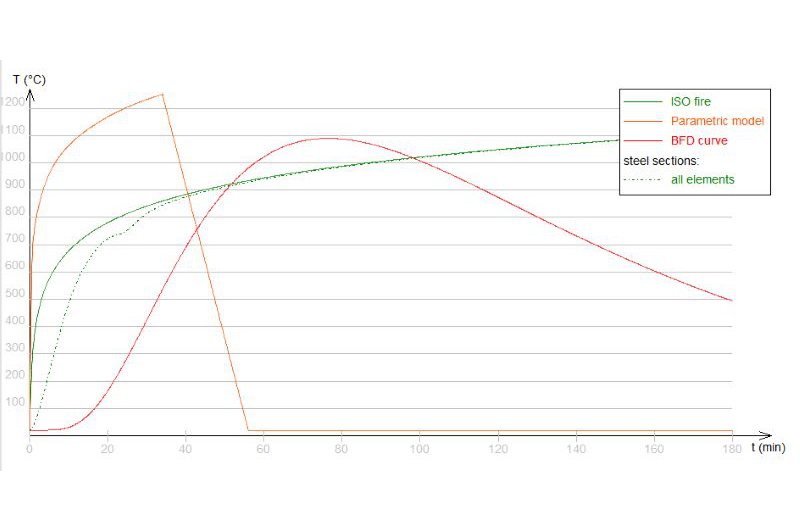
HERA: Calculations aren't the hard part
July 2026: HERA engineers are highlighting the growing complexity of structural fire engineering, noting that while individual fire calculations are relatively straightforward, managing multiple scenarios and assumptions across modern projects can be more complex.
Senior Structural Fire Engineer Mayank Shrivastava said engineers routinely assess how steel structures perform under fire conditions by developing design fire curves, modelling heat transfer, determining critical temperatures and specifying protection systems.
However, changes to factors such as compartment geometry, fuel load, ventilation, section factors and protection thickness can significantly alter the calculations required.
According to Mayank, real-world projects often involve numerous combinations of protection systems, compartment layouts, and fire scenarios, all of which must be assessed within tight timeframes.
Mayank noted that differing assumptions between engineers - including the use of different fire curves, critical temperatures, or section factor conventions - can lead to varying results for the same structural member, increasing the time needed for design reviews and verification.
He said the shift toward performance-based fire engineering is increasing the number of scenarios that must be assessed, placing greater emphasis on engineering judgement.
Fast fire curves. Image: HERA.

Spatial Justice: Badly-designed streets cost us our health
July 2026: The Parliamentary Science Forum held in late June focused on how to design cities to promote safety and health. Dr Rebecca Kiddle, Co-Director of Spatial Justice Aotearoa, presented research on what Māori communities want in their neighbourhoods, and how to plan and build cities to promote social connection, green spaces, climate resilience, and shared decision-making.
"Streets are not usually framed as a health issue. The Māori Streets Project asked a simple question: what does a street that feels like home actually look like? We surveyed 288 Māori participants and ran co-design wānanga across the country. The headline finding was stark. Māori living in papakāinga rated their street ten out of ten for feeling like home, like a Māori street. Everyone else averaged two. That gap is not about decoration. In our data, the more your street feels like yours, the more connected you feel and the more your needs are met. We have been treating healthy cities as a problem of parks and cycleways. Māori told us it is a problem of belonging."
Dr Parmjeet Parmar MP, centre, with Prof Malcolm Campbell, University of Canterbury, and Dr Rebecca Kiddle, Spatial Justice Aotearoa, answering questions from Members of Parliament at the Parliamentary Science Forum held in late June. Photo: Royal Society of New Zealand Te Apārangi.

DOC and Cawthron signed agreement on aquatic conservation
July 2026: Cawthron Institute and the Department of Conservation have signed a new relationship agreement to collaborate on aquatic science, conservation, and innovation.
The agreement reflects the strong alignment between DOC's mission, "Te orango o te ao tūroa | Nature is thriving", and Cawthron's science mission to support thriving aquatic ecosystems. It sets out how the two organisations will work together on shared priorities, including research that improves outcomes for aquatic species and ecosystems, strengthens the management of conservation threats, and supports practical action.
Cawthron Chief Science Officer Dr Cath McLeod says the agreement provides a stronger foundation for collaboration.
"Cawthron and DOC share a strong commitment to protecting and enhancing Aotearoa New Zealand's aquatic environments. This agreement gives us a clearer framework for working together on the science needed to understand and manage threats to indigenous biodiversity, and to turn that knowledge into practical conservation outcomes."
DOC Director Marine and Freshwater Biodiversity Kirstie Knowles says the agreement will help both organisations work more efficiently on shared priorities.
Photo: Cristian Palmer, Unsplash.

BRANZ: Long-term building research at risk
July 2026: BRANZ has recently published an article outlining concerns about the potential impact of proposed changes to its funding model on New Zealand's long-term building research capability.
Architectural Designers New Zealand chief executive Keryn Davis says BRANZ's value extended beyond its current research to the capability, expertise and knowledge it had built over decades.
"The proposed funding changes raise legitimate concerns about the future of specialist facilities, highly skilled researchers, and the long-term research programmes that help us understand how buildings and materials actually perform over time in New Zealand's unique conditions. These capabilities are a national asset," she said.
The article highlights concerns that long-term research programmes, including studies on weathertightness, seismic resilience, and fire safety, rely on stable funding over many years. It also notes concerns that changes to the funding model could affect specialist expertise and institutional knowledge.
Engineering New Zealand chief executive Richard Templer says: "We need long-term research. For example, weathertightness issues are generally not something you notice in the first year. To study it and find solutions, you're talking about projects that take years, not months."
Auckland skyline. Photo: BRANZ.
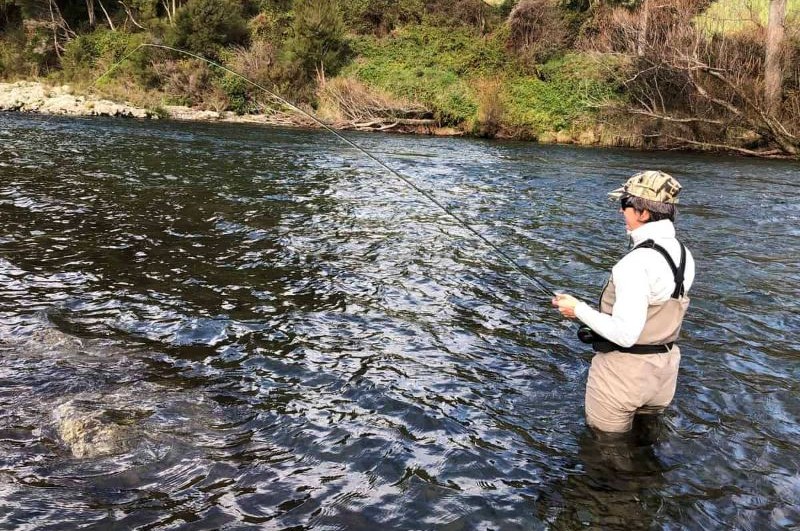
Cawthron: Policy briefs call for a rethink of freshwater fish future
July 2026: A new series of policy briefs from Cawthron Institute and research partners is shining a light on how past decisions have shaped the way freshwater fish are managed in Aotearoa New Zealand today.
Freshwater fish are woven through New Zealand's history and identity, from eel (tuna) and whitebait, to trout and salmon. They have sustained whānau, supported cultural practices, underpinned recreational traditions, and helped shape local economies.
But according to Fish Futures researchers, the way freshwater fish are managed has not always reflected the importance of these species to communities and ecosystems.
Six recently published Fish Futures policy briefs examine the histories of freshwater fish management in Aotearoa New Zealand, exploring how past decisions have contributed to the challenges now facing freshwater ecosystems, fisheries, and the people who depend on them.
Cawthron Institute social scientist Kiely McFarlane says the briefs are designed to help decision-makers, kaitiaki, fishery managers, and communities understand how today's problems developed, and what might need to change. They were co-developed with cultural heritage specialist Ailsa Cain and geographer Marc Tadaki, providing a holistic understanding of New Zealand's environmental history.
Photo: Cawthron.
Motu: Uneven vaccine uptake across industries
July 2026: New research from Motu Economic and Public Policy Research has found that workers in the industries hardest hit by the Covid-19 pandemic were, perhaps surprisingly, slower to get vaccinated than those in less affected industries.
Researcher Richard Fabling found this pattern was not driven by the industries themselves, but by differences in the characteristics of the people working in them. Employees in less affected industries were generally more highly qualified and more likely to have previously received influenza vaccinations - two factors strongly associated with earlier Covid-19 vaccination.
The findings suggest these patterns may reflect differences in access to, and engagement with, the healthcare system rather than simply attitudes towards vaccination.
The research highlights an opportunity for employers to help improve vaccine uptake during future pandemics. Encouraging annual influenza vaccination through free or subsidised workplace programmes could help normalise vaccination and reach workers who are less connected to healthcare services. Fabling also suggests future pandemic responses should consider whether positive incentives and encouragement can achieve more than mandates and restrictions alone.
Photo: Julia Bogdanova, Unsplash.

Malaghan: The changing face of allergy treatment
July 2026: Dr Maia Brewerton (Ngāti Porou, Ngāti Kahungunu) is a clinical immunologist, immunopathologist, head of several immunology labs and also sits on the board of the Malaghan Institute. Based out of Auckland Hospital, she's been working with patients with allergic and inflammatory conditions for over twenty years. Needless to say, she knows a thing or two about allergies and how to treat them.
Our understanding of allergies has come a long way in the past twenty years. The way we diagnose and treat these diseases has changed dramatically too. As someone who sits at both ends of the spectrum - from basic research all the way to clinical application - Maia is uniquely positioned to see first-hand what these changes mean not just for researchers, but for patients and their families, and where this exciting field of research is heading.
"I've been in the field of immunology for more than two decades and one of the biggest paradigm shifts I've seen is in the food allergy space," says Maia.
Food allergies and intolerances usually develop in early childhood and can range from mild to severe. It can be incredibly stressful for parents to know what to do to decrease the likelihood of their child developing a potentially life-threatening food allergy. No one wants to find out after it's too late.
Dr Maia Brewerton. Photo: Malaghan Institute of Medical Research.
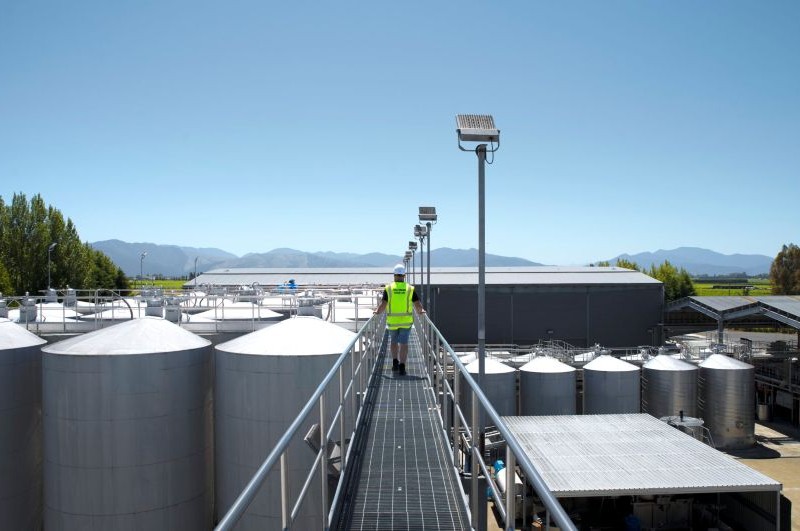
Bragato: Innovations in bulk wine shipping
July 2026: New Zealand Sauvignon Blanc is an export success story, with the wine style loved around the world. Because New Zealand is geographically distant from its major export markets, shipping unpackaged wine for bottling in the destination market has become mainstream in little more than a decade. Recent industry data shows that since 2024, a greater volume of New Zealand wine has been exported in bulk format than bottled at source.
However, New Zealand aromatic wines such as Sauvignon Blanc rely on fragile volatile compounds that are sensitive to oxygen exposure and temperature variation. As bulk shipping volumes continue to increase, the industry's challenge is not whether bulk shipping can work, but how it can be managed consistently and predictably so that wines land in the market in the same condition they left the winery.
The Bragato Research Institute (BRI) has recently undertaken a literature review to consolidate current knowledge on the preservation of quality and style when shipping unpackaged wines in bulk, provide recommendations for best practices where appropriate, and identify knowledge gaps for further research.
is geographically distant from its major export markets, shipping unpackaged wine for bottling in the destination market has become mainstream in little more than a decade. Recent industry data shows that since 2024, a greater volume of New Zealand wine has been exported in bulk format than bottled at source.
However, New Zealand aromatic wines such as Sauvignon Blanc rely on fragile volatile compounds that are sensitive to oxygen exposure and temperature variation. As bulk shipping volumes continue to increase, the industry's challenge is not whether bulk shipping can work, but how it can be managed consistently and predictably so that wines land in the market in the same condition they left the winery.
The Bragato Research Institute (BRI) has recently undertaken a literature review to consolidate current knowledge on the preservation of quality and style when shipping unpackaged wines in bulk, provide recommendations for best practices where appropriate, and identify knowledge gaps for further research.
Other exporting countries such as Australia and South Africa have successfully implemented large-scale bulk shipping programmes, demonstrating the commercial viability of the model and creating competitive pressure for New Zealand producers. Photo: Bragato.

BRANZ: Kiwi homes warmer, but bedrooms still cold
July 2026: New research from BRANZ shows homes are warmer in winter than in the early 2000s, but many bedrooms still fall below recommended temperatures overnight.
The findings come from the Household Energy End-use Project 2 (HEEP2) - New Zealand's most comprehensive study of indoor temperature conditions and energy use since the original HEEP research. The indoor temperatures report, published today, is the first in a three-part series, with reports on indoor moisture and household energy use to follow.
HEEP2 builds on the original HEEP study (1999-2005), enabling direct comparison over time. It includes more than 750 households across New Zealand, with a subset of homes monitored continuously for 12 months to measure electricity use and track temperature and humidity in living areas and bedrooms. The data spans regions and housing types, providing a national picture of how New Zealanders live.
New Zealand living rooms are warmer in winter than they were two decades ago, with average temperatures up 2.6-3.5°C across the day. Evening living rooms now average 20.4°C, above the recommended minimum of 18°C.
Despite overall gains, bedrooms remain significantly colder than living areas, especially overnight. Photo: BRANZ.

Connections 60 eNewsletter out now
June 2026: Another bumper issue of the IRANZ newsletter is out now. It's chock full of the latest independent science research news from around Aotearoa New Zealand.
IRANZ: Research capability is essential to New Zealand's future
Mātai: Study reveals brain shrinkage after meth use
Malaghan: Breakthrough cancer research advances to new biotech venture
HRC grant supports MRINZ-led world-first AI intensive care research
Gillies McIndoe: Milestone year for doctoral researchers
Motu: Employment effects of vaccine mandate defiance
Cawthron joins global search for next-gen skincare ingredients
WSP develops pine-based bitumen alternative in world-first lab trials
BRANZ: Industry leaders question Building Research Levy Act repeal
Aqualinc: Far from an average irrigation season
Lincoln Agritech-supported research turns wool into pigments
Dragonfly Data Science: Fisheries management tech moving to global use
. . . And much more.
Notable differences have been discovered in the brains of recovering methamphetamine addicts, compared to those of non-users. Image: Mātai Medical Research.

IRANZ June news briefs
June 2026: Follow the link for more details on the June 2026 news briefs from our Independent Research Organisations.
- Dragonfly Data Science: Deckhand updated to support new crayfish reporting rules
- Cawthron: Mussel biology programme celebrates 15 years of inspiring Te Tauihu young scientists
- Sustainable surfacing features at WSP Research showcase
- Mātai: Former Mātai-Holdsworth scholar returns as MRI trainee
- Motu: 2026 update - Guide to the New Zealand Emissions Trading Scheme
- Malaghan: Building the RNA Development Platform
- Mātai: No such thing as normal
- Malaghan: The science behind tomorrow's treatments
- HERA Welding Inspector Level 1 to AS/NZS 2214.1 Qualification Pathway
- HERA: Seismic Weld Design; What the Research Actually Shows (podcast)
- ...and much more.
TV presenter Sonia Gray speaks with the team at Mātai Medical Research about emerging ADHD research in an episode of her podcast "No Such Thing As Normal". The project, led by Professor Justin Fernandez at the Auckland Bioengineering Institute, involves collaboration with Mātai researchers exploring how advanced brain imaging can improve understanding of ADHD and neurodivergent brain function. Photo: Mātai Medical Research.
Lincoln Agritech-supported research turns wool into pigments
June 2026: Research supported by Lincoln Agritech is helping unlock new high-value applications for New Zealand strong wool, with bio-based pigments derived from wool now entering commercial use.
Developed by Wool Source, the pigments provide an alternative to synthetic, fossil fuel-derived colourants and contain a high proportion of renewable content. The innovation emerged from the New Uses for Strong Wool programme, supported by Lincoln Agritech in partnership with industry and government organisations.
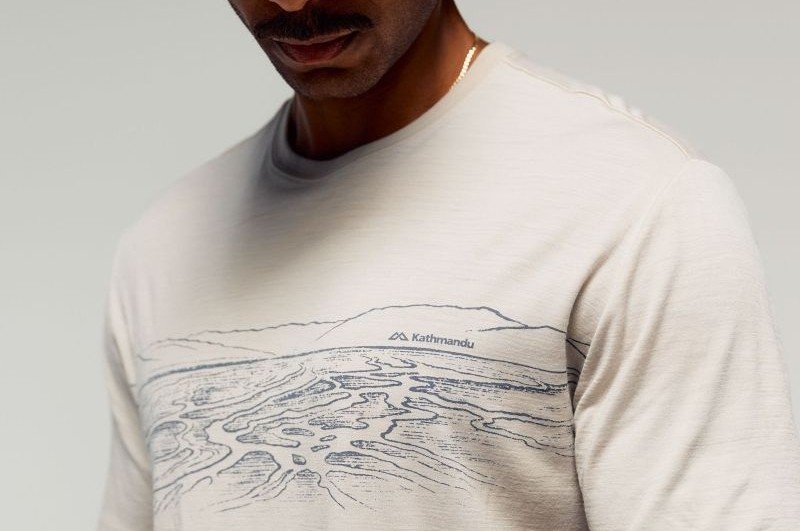
The pigments are already being used commercially, including in a recently released Kathmandu t-shirt range, demonstrating how wool-derived materials can be integrated into existing textile manufacturing systems at scale. The development reflects a broader shift in the wool sector, transforming low-value fibre into high-value sustainable functional materials.
Wool Source has also secured government backing for a new commercial-scale production facility in Christchurch, supported by the Ministry for Primary Industries' Primary Sector Growth Fund and the Wool Research Organisation of New Zealand.
Outdoor brand Kathmandu is using Wool Source bio-based pigments in a recently released graphic t-shirt made from 100% merino wool and inspired by Canterbury's braided river systems. Photo: Kathmandu.
WSP develops pine-based bitumen alternative in world-first lab trials
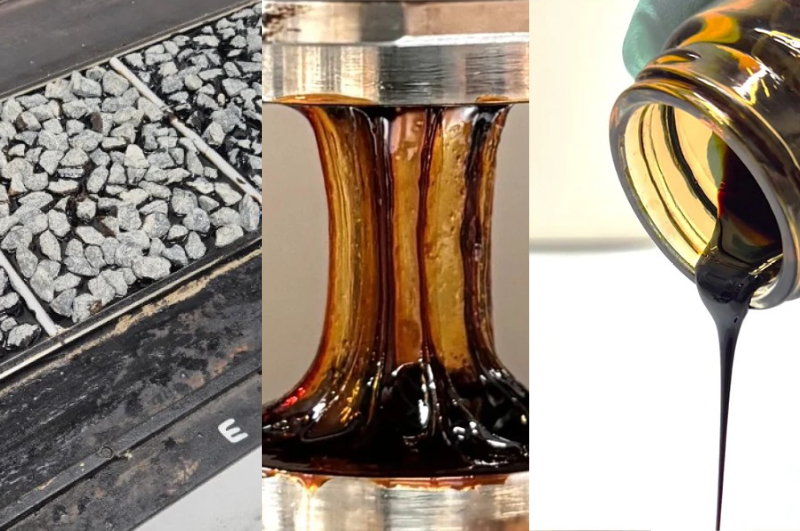
June 2026: In what is believed to be a world-first innovation, researchers from a WSP-led collaboration have successfully developed a 100% pine tree-based alternative for roading bitumen.
Aotearoa New Zealand produces more than 10 million tonnes of pine each year. Lab trials at WSP have now shown that this abundant source of biomass can be converted from solid wood into a binder able to replace crude oil-based bitumen.
Early results are promising, and the potential could be significant.
New Zealand relies exclusively on imported bitumen for road surfacing, leaving the country exposed to global oil markets, shipping disruption, and rising costs. A locally sourced alternative made from pine biomass could improve supply resilience, reduce dependence on fossil fuels and create a lower-emissions road surfacing material from a resource we already produce in abundance.
The material has performed comparably to conventional bitumen in several NZ Transport Agency Waka Kotahi performance standard tests but is still at the laboratory stage. Larger-scale trials, carbon accounting, and investigations into the economics of production are still ahead.
Using Pinus radiata trees, researchers processed the wood and applied novel techniques to break down its lignin and cellulose molecules into a resin-like binder. This behaves just like bitumen; hard when cool, soft when heated.
Photo: WSP.

Dragonfly Data Science: Fisheries management technology moving into global use
June 2026: As commercial fisheries move further into digital reporting and real-time data use, there is a growing role for platforms such as Deckhand, that can capture and use fisheries data in more timely and practical ways.
In 2025, Dragonfly Data Science began a partnership with Australian-based company Real Time Data (RTD) to operate their electronic logbook platform, Deckhand, in New Zealand.
This collaboration combines the strengths of both companies, blending fisheries science and software development expertise to help improve the quality and usability of fisheries data.
Both organisations place strong emphasis on working directly with fishers to understand how the system performs in real-world conditions.
That approach was on display in late May, as RTD co-founder Simon Dick visited New Zealand and attended the Fishing Federation Conference in Wellington with the Dragonfly team, spending time with industry representatives, regulators, and the fishers interacting with Deckhand reporting systems day-to-day.
"These are the people actually out there doing the fishing," says Simon.
Photo: Dragonfly Data Science.
Breakthrough Malaghan and UoA cancer research advances into new biotech venture
June 2026: Breakthrough cancer immunotherapy research is progressing from lab to real-world impact, targeting tumour-driven immune resistance and advancing toward clinical trials to improve outcomes for patients.
A promising cancer immunotherapy programme developed at Waipapa Taumata Rau, University of Auckland and the Malaghan Institute of Medical Research, is taking a major step toward patient impact with the formation of a new biotechnology venture, Stave Therapeutics.
Stave Therapeutics has been established in conjunction with Unruly Partners, the University of Auckland, UniServices, and the Malaghan Institute of Medical Research, building on the research team's cumulative knowledge of the tumour microenvironment and experience in research translation. The underlying research originated from a long-standing collaboration between the Auckland Cancer Society Research Centre (ACSRC) and the Malaghan Institute of Medical Research, supported by the Maurice Wilkins Centre, the Health Research Council of New Zealand, and MBIE's Endeavour Fund.
The company is currently operating at the preclinical stage, with the next phase focused on completing preclinical development and progressing toward first-in-human clinical trials within the next two years.
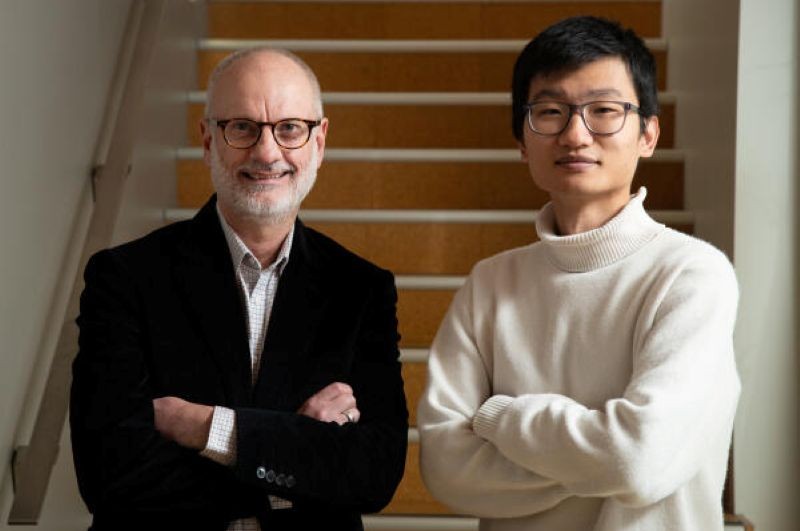
Professor Ian Hermans and Dr Regan Fu. Photo: Malaghan.

HRC Programme Grant supports MRINZ-led world-first AI intensive care research
June 2026: The Health Research Council of New Zealand (HRC) has awarded the Medical Research Institute of New Zealand (MRINZ) one of only two Programme Grants funded nationally in 2026, supporting a world-first clinical trial that will investigate whether artificial intelligence (AI) can improve outcomes for critically ill patients receiving life support in intensive care units (ICUs).
Led by Professor Paul Young, MRINZ Deputy Director and Co-Clinical Leader of ICU at Wellington Hospital, the five-year research programme will evaluate whether machine learning can help clinicians personalise oxygen therapy for patients receiving life support.
The REVOLUTION trial will involve 50 ICUs across New Zealand and Australia and recruit more than 24,000 patients, making it one of the largest critical care studies undertaken in Australasia. It will be the first major clinical trial worldwide to test whether AI-guided treatment using machine learning improves survival in the ICU.
The research builds on the recently completed HRC-funded Mega-ROX trial, the world's largest ICU oxygen trial, which involved 40,000 patients across 125 sites in 15 countries.
Professor Young says the programme aims to move critical care beyond a one-size-fits-all approach.
Image: MRINZ.
Gillies McIndoe: Milestone year for doctoral researchers
June 2026: Gillies McIndoe has marked several significant research milestones, including doctoral completions, thesis submissions, and the arrival of a new doctoral researcher.
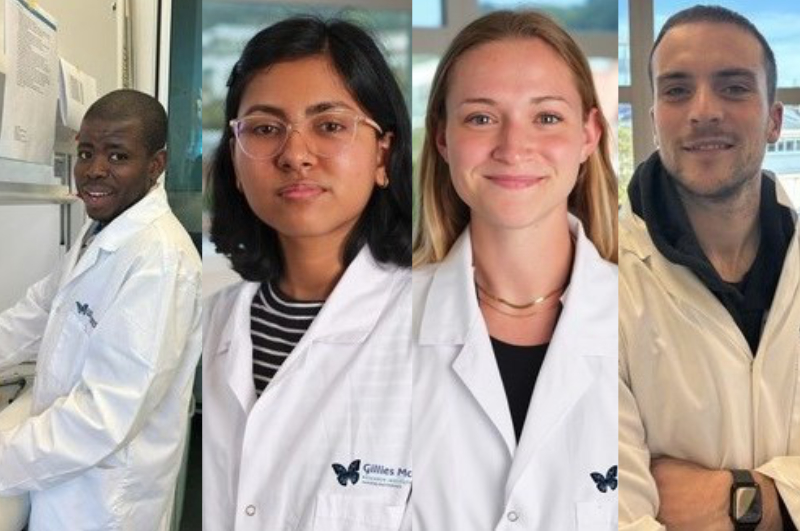
Dr Ibrahim Yakubu has successfully passed his oral viva following research into the long-term impacts of preterm birth on liver development and metabolism. He is currently working at Wellington Hospital.
Two doctoral researchers, Raka Mitra and Jasmine White, have submitted their theses and are awaiting their oral vivas. Raka's research investigated infantile haemangioma, including the development of a novel 3D model and the identification of sex differences in the condition's pathophysiology. She has accepted a postdoctoral position at Gillies McIndoe.
Jasmine's research focused on the mechanisms underlying treatment resistance in glioblastoma. Following completion of her doctorate, she plans to pursue a career in clinical research in the United Kingdom.
Gillies McIndoe has also welcomed a new doctoral researcher, Marco Massimino, who has joined from Italy. Supervised by Raka Mitra, Dr Clint Gray, Dr Helen Fitzsimons, and Dr Tracy Hale, Marco will investigate venous malformations. Two additional doctoral researchers are expected to join the institute in the coming months.
Left to right: Dr Ibrahim Yakubu, Raka Mitra, Jasmine White and Marco Massimino. Photo: Gillies McIndoe.
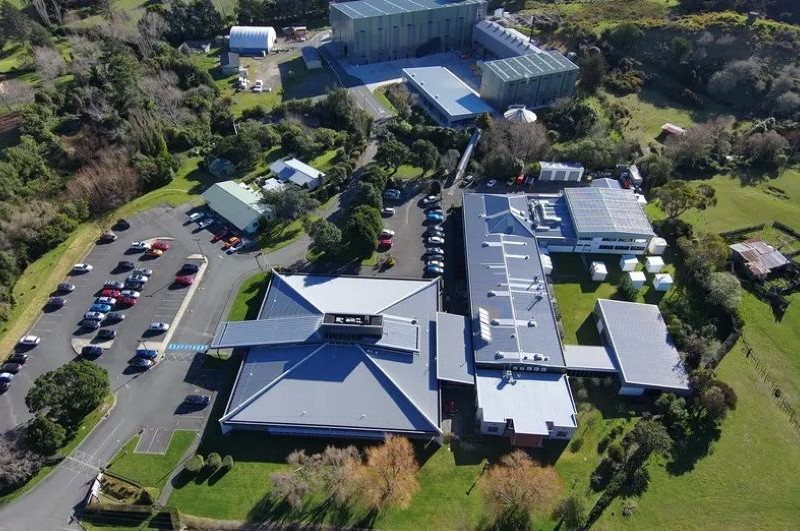
BRANZ: Industry leaders question Building Research Levy Act repeal
June 2026: From engineers to insurers, builders to iwi, New Zealand's construction sector is united in concern about the government's plan to repeal the Building Research Levy Act.
After interviewing more than twenty industry leaders, spanning insurance, engineering, architecture, building supplies, and iwi, BRANZ reports that not one could identify the problem this change is supposed to solve. "What they can articulate, with striking clarity, are the potential unintended consequences and risks: a loss of independence, short-term funding cycles that stifle long-term research, and a centralisation of power that could marginalise industry expertise."
They have compelling concerns that the proposed repeal risks dismantling 60 years of institutional knowledge that has made New Zealand a world leader in building safety, resilience, and innovation all for no clear benefit.
CEO of Infrastructure New Zealand, Nick Leggett neatly summed up the position that BRANZ finds itself in:
"[This repeal proposal] is difficult because the problem with BRANZ is that its work is taken for granted. It is also kind of a hidden treasure ... It's hard stuff to communicate, especially to the general public. But the industry knows the benefits and it also knows their work is more than a nice-to-have - it is vital."
BRANZ research campus. Photo: BRANZ.
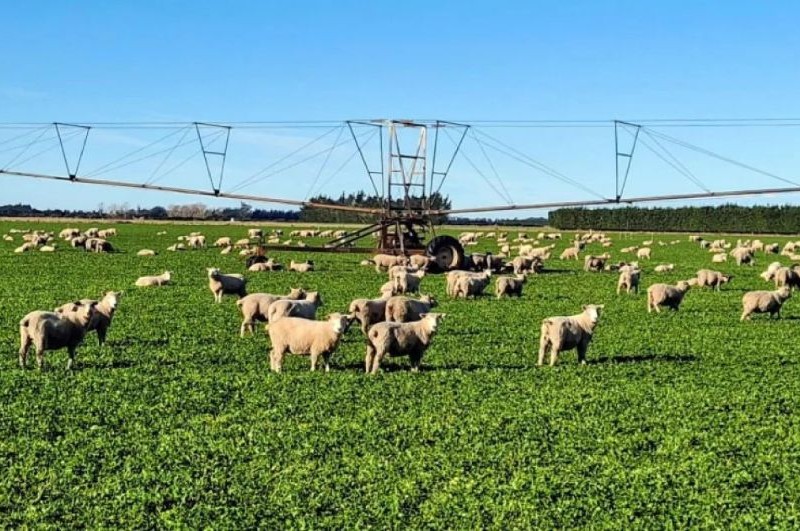
Aqualinc: Far from an average irrigation season
June 2026: Aqualinc reports the 2025-26 irrigation season has shown us there's no such thing as an average when it comes to describing the climate factors that drive irrigation demand and supply. "While some aspects of it can be described as near-average, there have been some interesting extremes thrown into the mix."
"We started off the irrigation season with high groundwater levels - among the highest recorded in the past 20 years in some parts of the Canterbury Plains - which relieved pressure on the supply side for irrigators that are subject to adaptive management conditions based on spring trigger levels."
In their end-of-summer climate summary, Earth Sciences New Zealand reported that summer temperatures were near or slightly below average for most of Canterbury, and rainfall was well above normal for most parts of the region. However, illustrating that averages never tell the full story, Winchmore recorded its lowest mean summer temperature since records began there in 1949.
Despite recording above-average rainfall for the summer, Christchurch was the driest of the six main centres. A lot of the variance from the average rainfall was driven by the storm that came through in mid-February. Banks Peninsula bore the brunt of this, with Akaroa receiving 243 mm of rain on 16 February, its highest daily rainfall total since records began there in 1977. As a result, Akaroa's summer rainfall was also a record at more than three times the average.
Photo: Aqualinc.
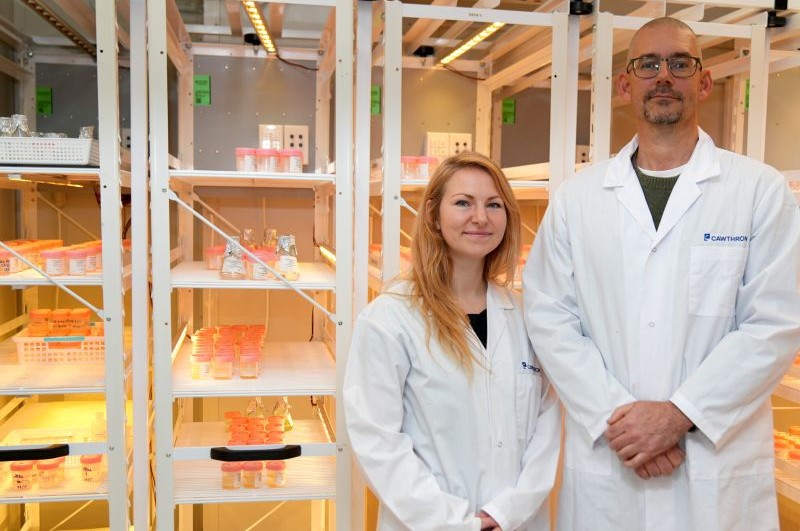
Cawthron joins global search for next-gen skincare ingredients
June 2026: Researchers from Cawthron Institute and Callaghan Innovation's Biotechnology Research Group (New Zealand Bioeconomy Science Institute) have joined an international consortium to explore the country's vast ocean territory for marine microorganisms that could produce breakthrough ingredients for the global skincare industry.
OCEOMICS is a Horizon Europe-funded project involving 12 organisations across eight countries, led by Spanish research institute AINIA.
The Programme will use artificial intelligence, genomic screening, and biotechnology tools to identify novel bioactive compounds from marine microorganisms, targeting applications in high-value skincare formulations including anti-inflammatory, antioxidant, UV-protecting, and skin barrier products.
New Zealand's participation focuses on the country's unique and largely unexplored marine biodiversity. Cawthron will lead research into marine microalgae, while the Biotechnologies Group will study marine bacteria from New Zealand waters.
Dr Johan Svenson, Science Impact Manager at Cawthron Institute, says New Zealand sits at the edge of some of the most biologically diverse and least studied ocean environments on earth.
Dr Cora Hertzer and Dr Johan Svenson, in Cawthron Institute's Culture Collection laboratory. Photo: Cawthron.

Scarlatti study maps funding landscape for freshwater action
June 2026: A new study led by Scarlatti researchers has provided the first comprehensive overview of public funding available to support collective environmental action aimed at improving New Zealand's freshwater systems.
Published earlier this year in Critical Insights in Agriculture, the research examined 20 central and regional government funding programmes available in 2022-2023 that support catchment groups and other collective action initiatives. The study was led by Scarlatti Senior Research Manager Claudia Apeldoorn and Principal Denise Bewsell, and included Kate Gear, Hannah Hittmann, and Kayla Jordan from Scarlatti, Elizabeth Dooley,and Alison Bailey from Lincoln University.
The researchers found that most funding is concentrated at the extension and implementation stages of the research, development, extension and implementation (RDE&I) pathway, supporting practical activities such as restoration planting, fencing waterways and encouraging changes in land management practices. In contrast, relatively little funding is available for research and development, limiting opportunities for groups to test locally tailored solutions and work with scientists.
The authors conclude that improving access to funding information, capability building, and cross-sector relationships could strengthen collective efforts to achieve New Zealand's freshwater goals.
A white heron / kōtuku hunts in freshwater. Photo: Louise Thomas.
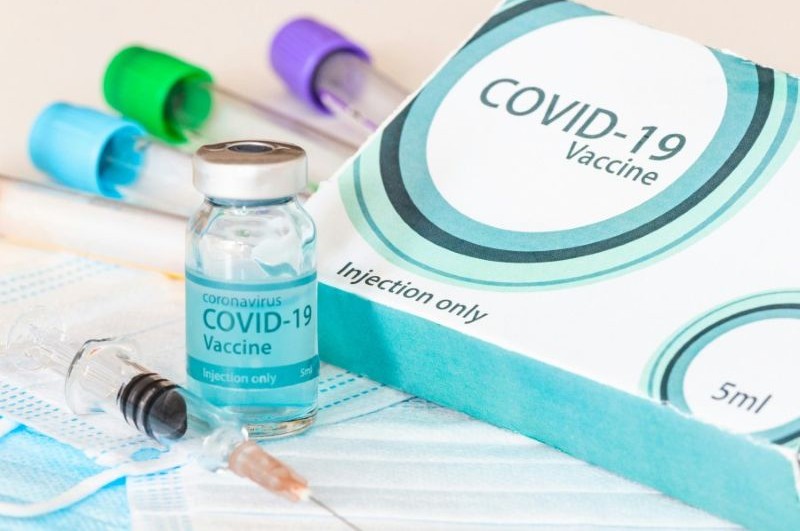
Motu: Employment effects of vaccine mandate defiance
June 2026: A new report by Richard Fabling from Motu Economic and Public Policy Research estimates employment effects of Covid-19 vaccine mandates on workers in the New Zealand education and health sectors. The study found that the mandates had long-lasting employment impacts for workers who chose not to comply.
Using data from Statistics New Zealand's Integrated Data Infrastructure, the research examined employment outcomes for degree-qualified workers affected by the mandates announced in October 2021.
While the mandates increased vaccination rates in both sectors, for workers who defied the requirements many lost jobs in their original sector, took lower-paid work elsewhere, or moved within New Zealand in search of employment. Although employment outcomes improved over time, the effects remained evident more than two-and-a-half years later.
The report describes this as labour market "scarring", with lower employment rates and reduced earnings persisting through to mid-2024. In contrast, workers who complied with the mandates experienced comparatively small employment effects.
The study does not assess the public health benefits of vaccine mandates, focusing instead on their labour market consequences for affected workers.
Photo: Motu Economic and Public Policy Research.
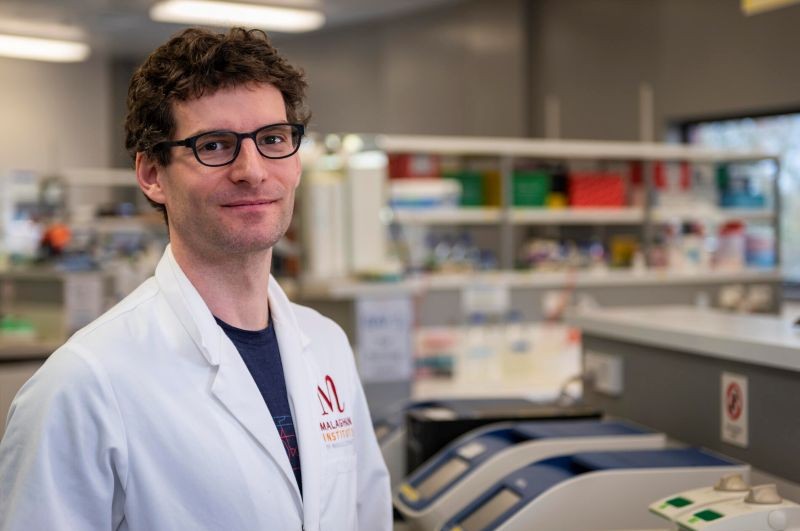
Malaghan: HRC funding to improve CAR T-cell 'fitness'
June 2026: The Malaghan Institute's CAR T-cell research team has received a Health Research Council of New Zealand project grant to enhance cancer-killing CAR T-cells by improving their metabolic 'fitness'. The grant, worth $1.2 million over three years, aims to help these modified immune cells better perform in adverse environments caused by solid tumours - one of the current limitations of this ground-breaking therapy.
"Internationally, CAR T-cell therapies similar to the one being assessed in the Malaghan's ENABLE-2 clinical trial are revolutionising cancer therapy by training a patient's own immune system, specifically their T-cells, to hunt and kill cancer cells," says Senior Research Fellow Dr David O'Sullivan who is leading the project.
While several CAR T-cell therapies are in routine use overseas for the treatment of certain blood cancers, the therapy has yet to break significant clinical ground for the treatment of solid tumours.
"Although successful in treating blood cancers, the full potential of these therapies for solid cancers is yet to be achieved. As 'living drugs' CAR T-cells are vulnerable to immune suppression caused by tumours which can impair their cancer-killing activity."
Solid tumours are particularly efficient at suppressing the immune system and use a number of perverse strategies - like nutrient depletion - to stymie the effectiveness of immunotherapies like CAR T-cell therapy.
Dr David O'Sullivan. Photo: Malaghan.

Motu: Shared care arrangements and parental wellbeing
June 2026: When couples separate, shared care arrangements are typically measured by how parenting time is divided - but the sharing of resources, tasks, and informal support matters too.
A new study by Kate Prickett at Motu Economic and Public Policy Research examines how in-kind support within shared care arrangements shapes parental anxiety and depressive symptoms.
Using data from the 2022 New Zealand Income Support Survey, the study found that nearly one in five families (19%) had a shared care arrangement, where children spend time living across multiple households. Families with shared care arrangements tended to be more disadvantaged than two-parent families, but generally better off than sole-parent families.
The study highlights the importance of in-kind support, such as providing clothing, food, transport, and helping cover children's activities. Parents who reported lower levels of support from the other caregiver were more likely to experience anxiety and depressive symptoms than those receiving moderate or high levels of support.
The findings suggest that shared care arrangements vary considerably in both resources and support. Researchers say policies focused primarily on formal child support payments may overlook other important forms of assistance that contribute to parental wellbeing and family stability.
Photo: Marek Studzinsk, Unsplash.
Mātai: Study reveals brain shrinkage after meth use
June 2026: Notable differences have been discovered in the brains of recovering methamphetamine addicts, compared to those of non-users.
A research team based at the not-for-profit Mātai Medical Research Institute in Gisborne used MRI scans to study the brains of 13 people who had used meth for an average of 15 years and had recently stopped using the drug.
A new paper describes numerous differences in the brains of meth users, compared with a control group of healthy people.
Chronic meth use can cause widespread brain damage, impairing memory, emotional regulation and executive function, say the medical imaging experts for the Methamphetamine Recovery Project, Associate Professor Miriam Scadeng, from the University of Auckland Centre for Brain Research, and Mātai Senior Research Fellow Dr Maryam Tayebi.
Lead author of the paper, neuroscience PhD student Ben Bristow, says they found reduced volume of the cortex - the outer layer of grey matter - across six brain regions in meth users. The longer people had used meth, the more shrinkage was seen across multiple areas of the brain.
Researchers tracking methamphetamine recovery have catalogued brain shrinkage in users, but clinical trials mapping brain healing are offering fresh hope. Photo: Mātai Medical Research Institute.

Bragato: Central Otago Pinot Noir trial reveals valuable clonal insights
June 2026: A major Pinot Noir clonal trial in Central Otago is providing grape growers and winemakers with new insights into how different clones perform under identical vineyard conditions.
Established by Riversun Nursery and Otago Polytechnic, and analysed by the Bragato Research Institute (BRI), the trial compares 12 commercially available Pinot Noir clones grown on the same site, rootstock and soils at Bannockburn.
The research combined vineyard measurements, wine chemistry and sensory evaluation across the 2024 and 2025 vintages. While seasonal conditions proved to be the biggest driver of variation between wines, the study identified consistent clonal differences in ripening, colour intensity, phenolic composition and flavour profiles.
Clone 943 stood out for its deeper colour, stronger phenolic structure and greater complexity, while MV6 also showed high phenolic concentration. Abel and AM 10/5 produced higher yields but required more careful crop management to achieve desired ripeness levels.
Researchers say the findings highlight the importance of matching clone selection to site and wine style, while supporting the use of mixed-clone plantings to improve resilience and blending options in New Zealand vineyards.
Pinot noir grape vines. Photo: Bragato Research Institute.
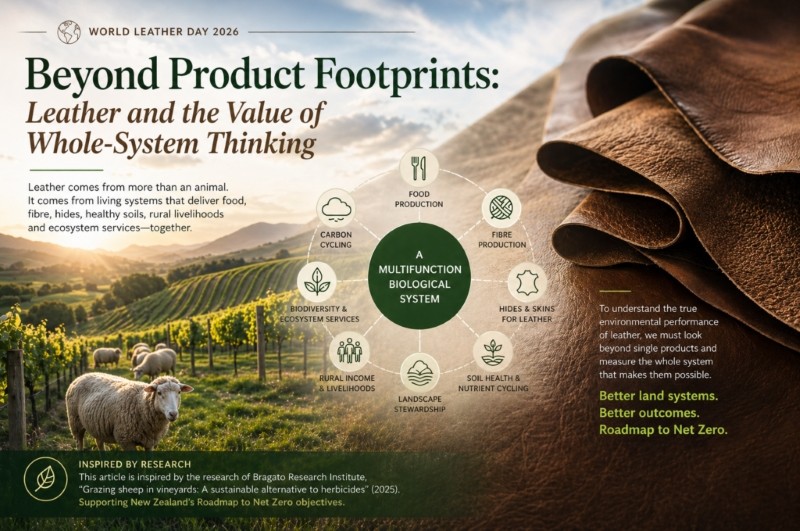
LASRA: Beyond product footprints
June 2026: A new article by LASRA Director Geoff Holmes argues that the future of leather sustainability assessment may require a broader, whole-system perspective rather than focusing solely on the environmental footprint of leather as an individual product.
For many years, sustainability discussions around leather have centred on measuring the footprint of the material. Geoff says this focus has driven significant improvements in tanning processes, wastewater treatment, chemical management, and energy efficiency.
However, he suggests that leather should also be considered as one output of complex agricultural systems that simultaneously produce food, fibre, hides and skins, while contributing to soil health, grazing management, ecosystem services, and rural livelihoods.
The article draws on recent research from the Bragato Research Institute, which examined integrated vineyard systems incorporating sheep grazing. The study found that combining multiple outputs on the same land area improved overall productivity and emissions efficiency compared with separate specialised systems.
According to Geoff, future sustainability assessments may need to consider wider measures such as emissions per hectare, multi-output land productivity, durability, waste utilisation, biodiversity outcomes, and rural economic resilience. The challenge, he argues, is no longer just producing lower-impact products, but developing smarter and more efficient land-use systems.
Image: LASRA/ChatGPT.

IRANZ: Research capability is essential to New Zealand's future
May 2026: IRANZ Chair Dr John McDermott says the 2026 Budget reflects an ongoing shift toward strategic priorities, commercialisation, and mission-led investment, but appears to rely largely on reprioritisation of existing funding rather than significant new investment in research capability - potentially leaving the country in a vulnerable position.
He says New Zealand's research system is a critical national asset that underpins economic resilience, environmental stewardship, public wellbeing, and informed decision-making. As the Government continues implementing reforms to the science, innovation and technology system, including development of the Transition Research Fund, Dr McDermott says it is important that New Zealand maintains strong, locally grounded research capability across all disciplines.
"Research is not a luxury for New Zealand - it is part of how we improve productivity, strengthen resilience, support better policy, and create opportunities for future generations," says Dr McDermott.
"International evidence consistently shows that countries investing in research and development achieve stronger long-term economic performance."
Dr John McDermott presenting on the economy at the Speaker's Science Forum at Parliament in 2021. Image: Emma Williams, Motu.

Malaghan: Building the RNA Development Platform
May 2026: When Dr Rebecca McKenzie joined the Malaghan Institute in 2022, it was to assist with the development of a New Zealand-made Covid vaccine. Today, she sits at the beating heart of mRNA research and development in New Zealand.
Rebecca is one of the Malaghan's RNA technology experts. She is also a quality control pillar lead in the New Zealand RNA Development Platform. Co-hosted by Victoria University of Wellington and the University of Auckland, with the Malaghan Institute of Medical Research and the University of Otago as partners, the platform is supercharging New Zealand's capability in RNA technology.
With the goal of building end-to-end research and manufacturing capability for mRNA vaccines and therapeutic products within New Zealand, the platform's day-to-day work includes producing RNA for clinical and commercial research across the New Zealand health and biotech sector, something Rebecca has had a hand in from the very beginning.
Beyond Covid, RNA technology presents a significant opportunity for New Zealand to supercharge its biotech sector, become a leader in the development of novel RNA therapeutics and provide vaccine security in the face of future pandemics.
Dr Rebecca McKenzie. Photo: Malaghan.
HERA's new Innovation Centre
May 2026: For years, the HERA Innovation Centre existed as a plan - a set of drawings, a funding case, and a conviction that the heavy engineering sector needed a physical home for the future it was building toward. Earlier this month, HERA representatives got to stand inside it with the people who built it.
Clearwater Construction hosted HERA for an evening to mark the near-completion of the build. The room was full of the people who made it happen; contractors, consultants, suppliers, and subcontractors who gave their skills, time, and materials to bring the building to life. It was an evening that reminds what a project like this takes - not just the planning, the funding, and the design intent, but the people on site every day making it real.
The HERA Innovation Centre is purpose-built for Aotearoa New Zealand's heavy engineering, manufacturing, and construction sectors. When it opens, members and research partners will have a dedicated space to trial emerging technologies, prototype new approaches, and build capability across Construction 4.0, Fabrication 4.0, AI, digital fabrication, structural health monitoring, and digital twinning. It will serve as a hub where industry can experiment, upskill, and apply Industry 4.0 technology in a real-world setting. It will also anchor HERA's growing international research partnerships, connecting our members to global networks and knowledge.
Photo: HERA.

Dragonfly oceanographer shares guidance on Wellington beach safety
May 2026: Following the catastrophic failure of the Moa Point wastewater treatment plant earlier this year, Wellington beaches have reopened for swimming (for the extremely hardy) — but questions remain about when it is truly safe to get back in the water.
Dragonfly Data Science Managing Director Dr Edward Abraham has been closely monitoring conditions around Wellington's coastline and says swimmers should combine official advice with practical judgement.
Although wastewater continues to be discharged around two kilometres offshore, Edward says strong Cook Strait currents and natural dilution generally reduce risks for most beach users. Instead, heavy rainfall is often the greater concern, as stormwater runoff can carry bacteria and pollutants into the sea.
"If you see water coming into an urban environment from, say, a stormwater drain, second-guess your decision to jump in."
Edward recommends checking conditions through LAWA and Wellington Water updates, while also considering recent rainfall, tides, wind direction, and visible local conditions before swimming.
A caspian tern / taranui on Wellington's South Coast. Photo: Louise Thomas.

WSP testing supports Te Ara Tupua build
May 2026: Over the past several years, a new resilient coastline, seawall and shared path has taken shape on the western side of Wellington Harbour. Due to open on 16 May, WSP played a role in the Ngauranga to Petone (Ngā Ūranga ki Pito One) section of Te Ara Tupua - testing the project's concrete for strength and durability.
WSP's testing has happened a stone's throw from the project site - at its Petone research and innovation facility.
At regular intervals, cylindrical specimens of wet concrete used on the project were delivered to WSP technicians. On average, samples came from every third truck of concrete.
After 28 and 56 days' conditioning in a purpose-built fog room, specialist equipment was used to compress the samples until they broke. They all had to meet certain standards of rated strength, ranging from twenty-five to fifty megapascals.
WSP has tested the project's bridge components, kerbing, and interlocking units that make up parts of the seawall.
WSP team leader for asset performance Jonty Glen says it's pleasingly unusual to be testing samples from a major civil engineering job located right on WSP's doorstep.
Te Ara Tupua. Photo: WSP.

Motu: 2026 update - Guide to the New Zealand Emissions Trading Scheme
May 2026: Motu has recently released their 2026 edition of A Guide to the New Zealand Emissions Trading Scheme, updating the 2022 version of this resource.
The New Zealand Emissions Trading Scheme (NZ ETS) sits at the centre of Aotearoa New Zealand's climate change mitigation strategy. The guide describes how the scheme works, outlines its core design features, and traces how and why those features have changed over time. It references government policy changes announced as of March 2026, and includes figures illustrating trends in key data.
Since the 2022 edition, the NZ ETS has seen significant changes. The guide covers the rise and fall of efforts to price agricultural emissions from livestock and fertilisers; steps to reduce overallocation of free New Zealand Units to emissions-intensive and trade-exposed industries; new standard and permanent classifications for post-1989 forests; restrictions on registering exotic post-1989 forests on productive agricultural land; the decoupling of unit supply and price control settings from New Zealand's Paris Agreement commitments; and plans to introduce new sources of emissions removals.
New Zealand from the International Space Station. Photo: Nasa.

Mātai: New molecular biology lab
May 2026: The Gisborne Herald recently reported on a new molecular biology laboratory at Gisborne-based Mātai Medical Research Institute which will host a bowel cancer screening project.
Dr Jordon Lima (Ngāti Porou, Te Aitanga a Hauiti, Ngāpuhi), who was born in Whāngārā on the East Coast, received a 2025 Otago Health Sciences Māori Postdoctoral Fellowship to establish a new molecular biology laboratory at Mātai.
Jordon will use the lab to run a “proof-of-concept study” testing whether a simple blood test can provide timely bowel cancer detection for people in Te Tairāwhiti who are on long waiting lists for a colonoscopy.
Patients on the non-urgent colonoscopy waiting list in Te Tairāwhiti will be invited to provide a blood sample to be tested for circulating tumour DNA (ctDNA), DNA shed from a tumour into the blood. Those results will be compared with colonoscopy data to assess how accurately the blood test can detect tumours.
Currently, those aged between 58 and 74 are offered a self-testing kit from the National Bowel Screening Programme (NBSP) every two years. Those who test positive are referred for a colonoscopy.
Honorary Mātai Research Fellow, Dr Jordon Lima. Photo: Mātai.
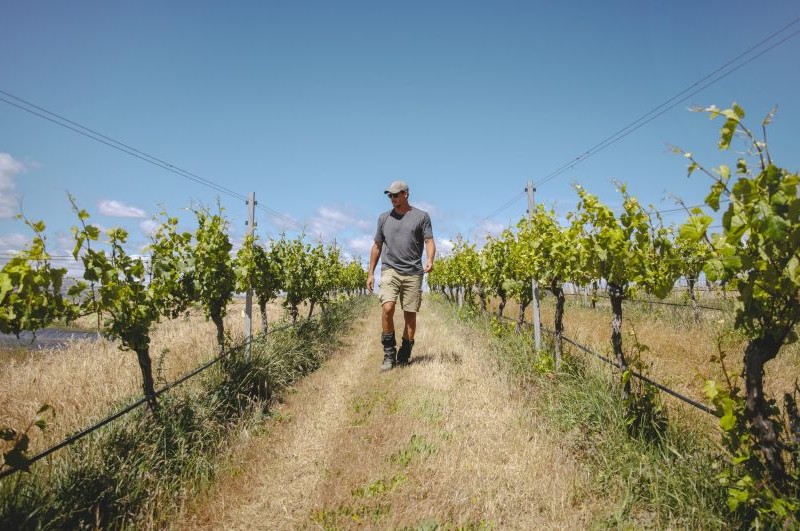
Bragato launches Grower Trials initiative
May 2026: The Bragato Research Institute (BRI) has launched a new Grower Trials initiative that places growers and viticulturists at the centre of the research process, focusing on answering applied research problems.
The initiative supports grape growers and viticulturists in testing new ideas or addressing practical challenges on their own vineyards. BRI provides funding and support to ensure the trials will yield results that can be shared with the wider industry.
Grower Trials are developed collaboratively between growers and researchers to ensure that trial designs are both scientifically robust and operationally realistic. BRI and other industry partners will support participants throughout the project, for example, with planning, trial design, data collection, and communication.
The trials should produce results that can be shared with the wider winegrowing community either regionally or nationally. Each trial will contribute to BRI's knowledge transfer programme, with findings shared through relevant field days, workshops, presentations and written updates. The emphasis is on results that are accessible, practical and directly relevant to growers and winemakers.
Photo: Bragato.
Malaghan: The science behind tomorrow's treatments
May 2026: Today, immune-based treatments are transforming how we target cancer, allergies and inflammatory disease. But every one of these advances traces back to a more fundamental question: how does the immune system decide what to fight?
It's a question that has shaped Professor Franca Ronchese's career. For decades, she has been at the forefront of immunology research, seeking to understand how the immune system works, and how that knowledge can be translated into better health outcomes.
This fundamental research maps the immune landscape, each discovery building the understanding behind therapies.
"My former boss at NIH once told me, 'If you don't understand how it works, you cannot make it better,'" Franca recalls. That lesson has inspired decades of fundamental immunology research that is ultimately leading to better treatments.
Originally from Italy, Franca completed her studies at the University of Padova before starting an international research career.
Professor Franca Ronchese. Photo: Malaghan Institute of Medical Research.
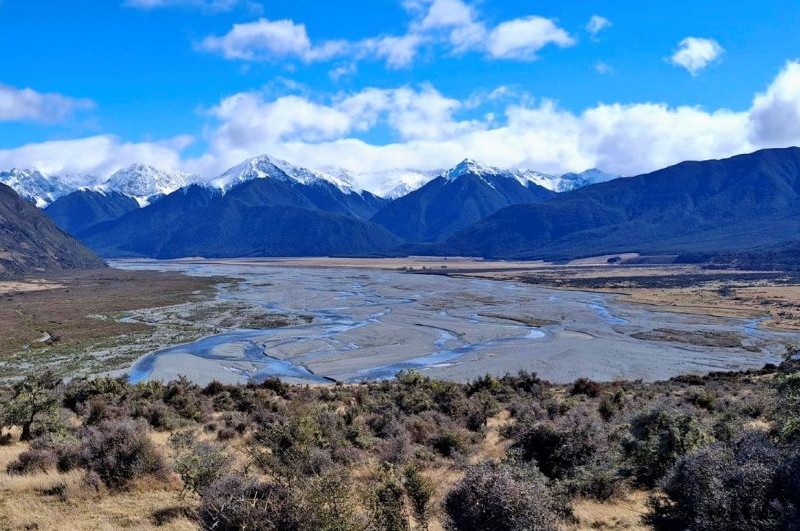
Connections 59 eNewsletter out now
April 2026: Another bumper issue of the IRANZ newsletter is out now. It's chock full of the latest independent science research news from around Aotearoa New Zealand.
IRANZ welcomes focus on advanced tech and mission-led science
Cawthron: New partnership to strengthen future of Bluff oysters
Lincoln Agritech supports innovation unlocking new uses for strong wool
LASRA highlights shift to 'Digital Twin' at global leather conference
Motu: National interest framing key to unlocking global climate finance
ClimSystems warns against underestimating wind damage
TTW secures funding for community resilience platform
Aqualinc: Summer 2026/27 outlook - New Zealand water resources
Independent research body warns building science capability at risk
BRANZ: Three decades advancing insulation - Ian Cox-Smith
. . . And much more.
Are we facing another very dry period for the summer of 2026/27 due to a change from La Niña to El Niño? Aqualinc's Principal Data Hydrologist Jan Diettrich explores the possiblities. Photo: Aqualinc Research.
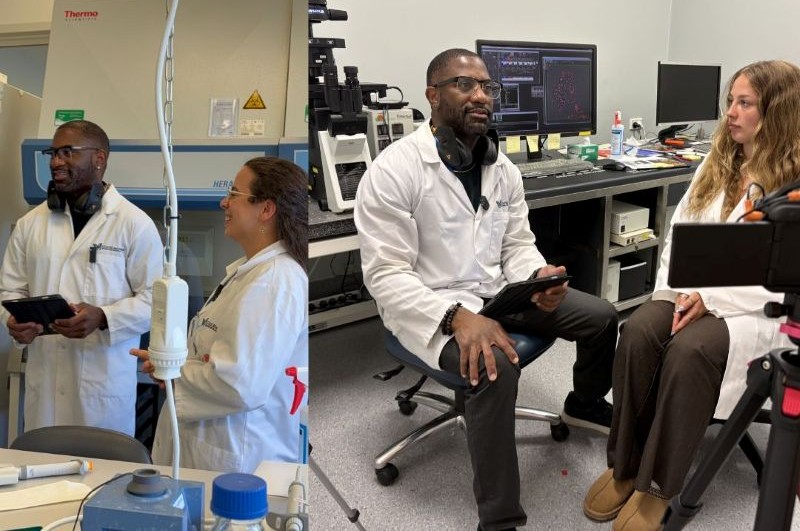
IRANZ April news briefs
April 2026: Follow the link for more details on the April 2026 news briefs from our Independent Research Organisations.
- A new chapter - the next generation of BRANZ scientists
- Cawthron: Inaugural Ring Science Scholarship recipients announced during Seaweek celebrations
- Lincoln Agritech-led research highlights pressure on Waikato River system
- HERA: Acknowledging Dr Troy Coyle, former Chief Executive Officer
- Global science communicator partners with Gillies McIndoe to broaden research reach
- Malaghan: From clinical trial to clinical tool
- Mātai: New building now two years old
- Motu Research challenges inclusion on register alongside lobbying organisations
- LASRA: Science that stays with the problem
- Two new trustees join Cawthron Institute's Trust Board
- Motu researcher Livvy Mitchell elevates dialogue on youth adversity
- ...and much more.
The Gillies McIndoe Research Institute has announced a new collaboration with Hip Hop Science, led by internationally recognised science communicator and author Maynard Okereke. Photo: Gillies McIndoe.
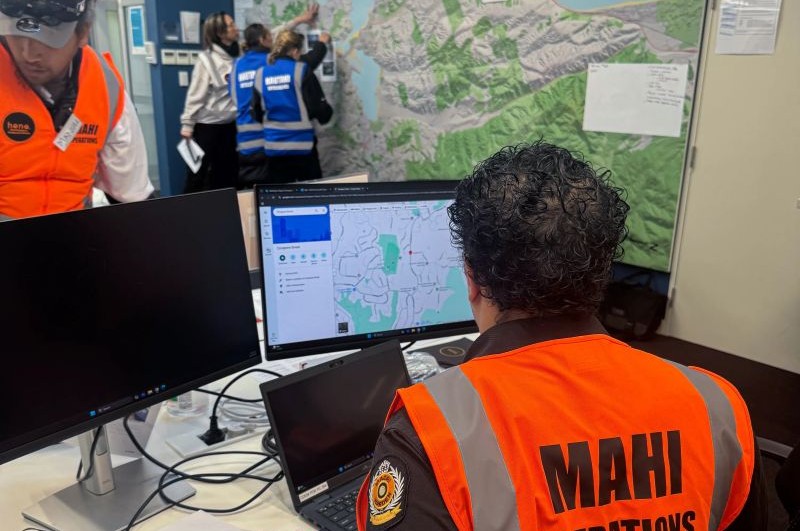
TTW secures Rangapū Rangahau Whakahihiko funding for community resilience platform
April 2026: Te Tira Whakamātaki (TTW) has secured a Rangapū Rangahau Whakahihiko grant through the 2026 funding round of the He Ara Whakahihiko Capability Fund, administered by the Ministry of Business, Innovation and Employment (MBIE).
TTW will partner with Massey University's Joint Centre for Disaster Research to further develop Te Hononga, a digital platform designed to improve how isolated communities prepare for and respond to emergencies. The project will combine mātauranga Māori with scientific data to better predict hazard impacts, guide the placement of emergency supplies, and enable faster, community-led response.
Local "kaitiaki data leads" will document conditions and needs following disasters, while the platform will also support coordination of resources across marae.
Melanie Mark-Shadbolt, Tumu Whakarae (Chief Executive Officer) for TTW, says the project "brings together generations of environmental knowledge with modern science to create practical tools that strengthen community resilience and support faster, more effective emergency responses."
Hono: The Māori Emergency Management Network undertakes a training exercise. Photo: Tash Wanoa, Te Tira Whakamātaki.
Gillies McIndoe: Sex differences in common infant tumour
April 2026: New research from the Gillies McIndoe Research Institute has uncovered important biological differences between males and females in infantile haemangioma (IH), the most common vascular tumour in infants.
Led by PhD researcher Raka Mitra, the study is the first to examine sex-specific differences across the three stages of IH development (proliferating, plateau, and involuting) alongside healthy tissue controls. The research identified several disrupted biological pathways, pointing to underlying metabolic differences in tumour behaviour.
Notably, female proliferating lesions showed increased oxidative phosphorylation and oxidative stress, along with changes in cholesterol regulation. Functional analysis also revealed that female IH samples exhibited higher rates of cell proliferation, migration, and angiogenesis compared to males - findings that align with clinical observations of greater incidence and severity in females.
The study provides a detailed proteomic map of IH across both sexes, identifying potential therapeutic targets and reinforcing the need for sex-specific approaches in future research and treatment strategies.
Raka Mitra, lead author. Photo: Gillies McIndoe.

Lincoln Agritech supports innovation unlocking new uses for strong wool
April 2026: Scientists at Lincoln Agritech are contributing to research helping unlock new, high-value applications for New Zealand's strong wool, as highlighted in Avenues article "Writings on the Wool".
The work builds on years of collaboration through the Wool Research Organisation of New Zealand-led New Uses for Strong Wool programme, supported by Lincoln Agritech alongside growers, industry partners, Ministry of Business, Innovation and Employment (MBIE), and Ministry for Primary Industries (MPI).
One outcome is the development of innovative, biobased wool pigments by Wool Source, creating alternatives to synthetic dyes for uses such as 3D printing and textiles.
Professor Travis Glare, CEO of Lincoln Agritech, says the research highlights how science can help revitalise traditional sectors. "This programme demonstrates how long-term research investment can unlock new, sustainable uses for strong wool, supporting both environmental outcomes and economic value for New Zealand."
Biobased wool pigments by Wool Source. Photo: Lincoln Agritech.
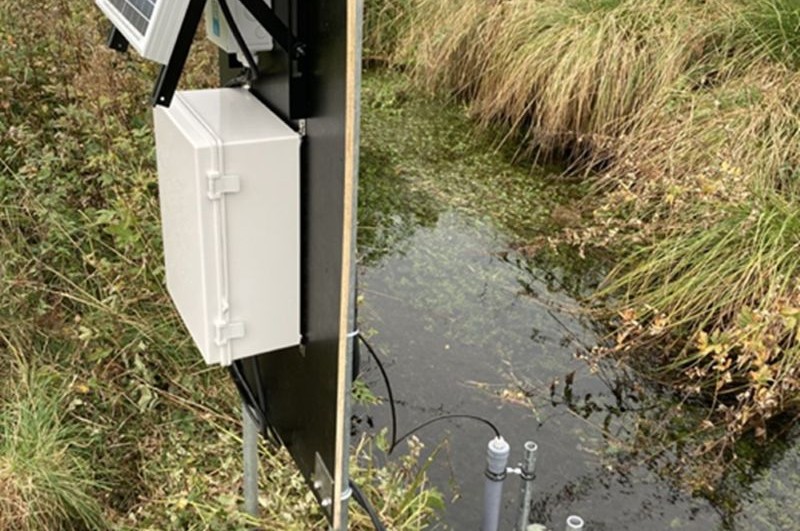
Lincoln Ag highlights science-led response to groundwater pollution
April 2026: Experts from Lincoln Agritech are calling for more sustained, science-led approaches to address worsening groundwater pollution in New Zealand.
Providing commentary through the Science Media Centre, Dr Roland Stenger and Dr Helen Rutter outlined the complexity and long-term nature of freshwater challenges.
Dr Stenger emphasised that groundwater systems are highly variable and closely interconnected with surface water, noting that shallow groundwater often plays a significant role in river flows and nutrient inputs. He highlighted the need for integrated monitoring and modelling approaches, including the use of emerging technologies such as real-time sensors.
Dr Rutter added that while groundwater is often “out of sight, out of mind”, it presents growing risks, particularly in low-lying and coastal areas. She stressed that understanding contaminant movement requires more targeted, high-resolution monitoring, alongside improved modelling.
Together, their insights reinforce the importance of long-term investment in data, tools, and collaboration to support effective freshwater management.
Continuous water quality monitoring equipment set up in a small stream in Waikato. Photo: Lincoln Agritech.

Motu: National interest framing key to unlocking global climate finance
April 2026: New Motu research suggests wealthy countries are unlikely to increase climate finance for developing economies unless the way the issue is framed shifts away from appeals to altruism.
The Motu Working Paper, developed with European University Institute and University of Zürich, finds that public support in advanced economies is more likely when international climate funding is linked to national interests, as well as global benefit.
Motu Policy Fellow Dr Catherine Leining says helping fund mitigation in emerging and developing economies is "in wealthy countries' own strategic interest", not only a matter of equity or climate responsibility.
The research identifies several framing approaches that could strengthen support, including shared climate risk, trade and clean technology opportunities, global stability and security, and the role of carbon markets in managing domestic emissions targets.
Despite this, current investment patterns remain highly uneven: developing economies hold around 75% of the lowest-cost emissions reduction opportunities to 2030, yet receive less than 20% of global clean energy investment. Without change, global warming is projected to reach around 2.8°C by 2100.
Motu Policy Fellow Dr Catherine Leining. Photo: Ebony Lamb/Motu.

Lincoln Agritech-led research highlights pressure on Waikato River system
April 2026: A senior scientist from Lincoln Agritech has highlighted growing concerns about the health of the Waikato River, as multiple environmental pressures push the system towards critical tipping points.
In an article by journalist Matthew Martin in the Waikato Times, Dr Adam Hartland warns that the river is "becoming a case study in what happens when very different environmental pressures hit the same system faster than authorities can respond".
Adam, an Adjunct Associate Professor at Lincoln University and a Hamilton-based senior scientist, points to real-time sensor data showing the system is approaching thresholds "we do not want to cross".
The research forms part of a five-year, Ministry of Business, Innovation and Employment (MBIE)-funded programme led by Lincoln Agritech. The programme is advancing understanding of cumulative stressors on river systems, supporting more informed management to help protect the long-term health and resilience of the Waikato River.
Waikato River. Photo: Lincoln Agritech.
Malaghan: Ground-breaking CAR-T clinical trial for treating cancer hits midway milestone
April 2026: As at 15 April, the Malaghan Institute's ENABLE-2 clinical trial of a new CAR T-cell therapy has reached its midway point, with the 30th patient treated and the trial tracking towards its goal of 60 patients treated by the end of 2026.
Malaghan Institute Clinical Director Professor Robert Weinkove says the milestone is a testament to the hard work of everyone involved in the trial as it continues to ready the public system for delivering CAR T-cell therapies.
"With treatment of trial participants in Auckland, Wellington and Christchurch, clinicians and their teams across the country are gaining critical experience and capability in CAR T-cell delivery. We hope this will help New Zealand advance CAR T-cell therapies as a future standard of care."
ENABLE-2 got underway in July 2024 on the back of promising phase 1 trial results that suggest improved safety compared with leading commercial CAR T-cell therapies, while remaining highly effective for B-cell non-Hodgkin lymphomas. With automated manufacturing of patients' CAR T-cells by the Malaghan Institute's partner BioOra Limited, the phase 2 trial expanded to three sites in February 2025, increasing the pace at which patients could be enrolled and treated.
The ENABLE-2 team at Malaghan Institute of Medical Research. Photo: Malaghan.

LASRA highlights role in bridging research-to-industry gap
April 2026: Geoff Holmes, Director of the Leather and Shoe Research Association (LASRA), is drawing attention to a critical gap in New Zealand's innovation system — the space between scientific discovery and real-world application.
While high-quality research is produced across universities and institutes, Geoff notes that much of it does not translate into practical capability. In sectors such as leather manufacturing, innovation must be tested, refined and embedded within existing production systems to succeed.
LASRA works across this interface, combining fundamental research into collagen structure and processing chemistry with applied development of industrial processes. This integrated approach brings together scientific knowledge, process expertise and industry constraints to ensure research can be used reliably in practice.
By validating and translating research into workable solutions, LASRA helps reduce implementation risk, improve production consistency and accelerate the path from research to impact.
Geoff says strengthening this "missing link" will be key to ensuring New Zealand realises the full value of its research investments.
AI Image: LASRA.
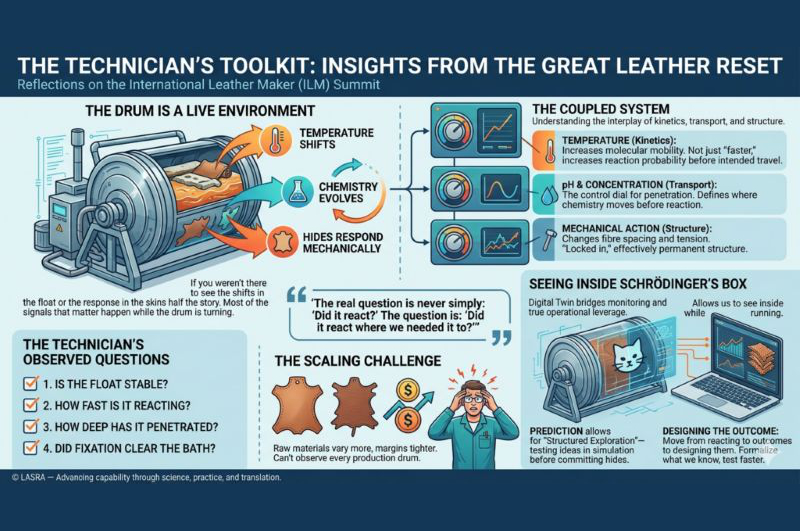
LASRA highlights shift to 'Digital Twin' at global leather conference
April 2026: The Leather and Shoe Research Association (LASRA) is highlighting a shift in leather processing following insights shared at the International Leather Maker (ILM) Great Leather Reset conference.
Speaking at the event in March, Geoff Holmes, Director of LASRA, outlined the industry's move away from traditional recipe-based methods toward the use of “Digital Twin” technologies. These systems provide real-time insight into what is happening inside the tanning drum — a complex, dynamic environment where critical changes occur during processing, not just at the end.
Geoff noted that effective leather production depends on understanding how variables such as temperature, pH, concentration and mechanical action interact. These factors influence reaction rates, chemical transport and fibre structure, ultimately determining whether treatments occur as intended.
Digital Twin approaches allow technicians to monitor and respond to these interactions as they happen, improving control and consistency.
Geoff says this shift marks a move from simply observing outcomes to actively designing them, strengthening industry capability and performance.
Image: LASRA.

ClimSystems warns against underestimating wind damage
April 2026: Although a worst-case scenario might not have played out, Hamilton-based ClimSystems is urging New Zealanders to take wind warnings seriously, following recent alerts from MetService for severe conditions associated with Ex-Tropical Cyclone Vaianu.
The reminder draws on impacts from Ex-Tropical Cyclone Dovi, which cost Hamilton City Council more than $1 million. The event generated over 700 call-outs and 1,500 service requests, largely due to tree damage, infrastructure failure, and widespread disruption. Nationally, more than 50,000 people experienced power outages.
"Wind events are often underestimated compared to rainfall events, because the damage is less visible than widespread flooding," says Dr Peter Urich, Managing Director of ClimSystems. "Our report on the 2022 Cyclone Dovi event showed that wind events associated with ex-tropical cyclones can have serious social and economic consequences to communities across New Zealand, even in landlocked places like Hamilton. Here, it was the cumulative cost of operational call-outs, power outages, transport disruptions, and structural failures that added up to the $1 million bill, not to mention the social and psychological impact on people affected."
If damaging gusts are forecast across parts of the country, ClimSystems warns that preparedness and attention to official advice remain critical.
Image: earth.nullschool.net | Wind | 10 April 2026 15:00
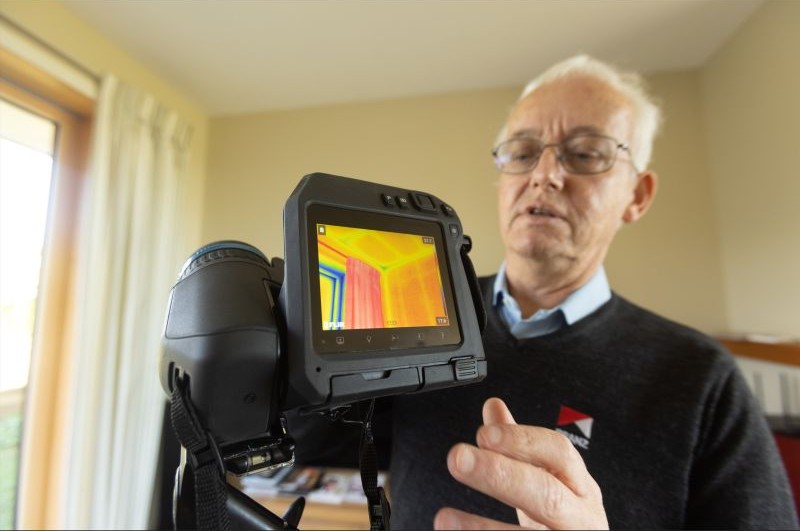
BRANZ: Three decades advancing insulation - Ian Cox-Smith
April 2026: Over more than 30 years of research and testing work, BRANZ Building Physicist Dr Ian Cox-Smith has underpinned big changes in the Building Code and standards. More people are living in warm homes as a result.
When Ian started work at BRANZ in the early 1990s, a colleague asked him what he was working on. He told them it was insulation materials and thermal performance. 'And what will you be working on next week?' they asked. While there was an element of humour in the comment, there was also a lot of truth. Much less thought was given to the topic back then and the testing methods available today didn't exist.
A large part of Ian's work is testing insulation materials and products for BRANZ's commercial clients. While some are from Aotearoa New Zealand, he also does a great deal of work for Australian manufacturers.
The equipment used and its level of precision has changed over the years - in some instances, with Ian physically building or modifying the hot boxes required. He repaired one $150,000 piece of equipment with complex faults so it was working perfectly again. 'Not bad, eh?'' he says.
Research work, including around retrofitting insulation into existing buildings, has also been an important part of his work. 'Insulation is one of the few things that pays for itself.'
Dr Ian Cox-Smith. Photo: BRANZ.
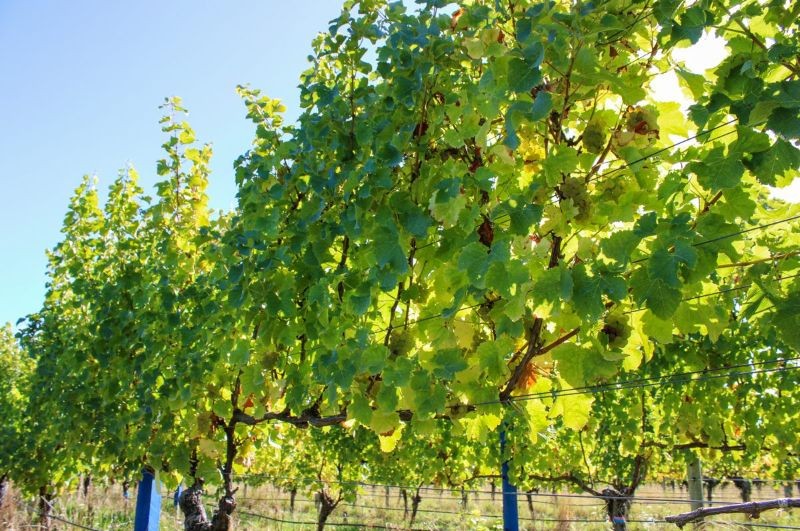
Bragato: Next Generation Viticulture trials show promising early results
April 2026: Researchers from the Bragato Research Institute have reported encouraging findings from the first growing season of the Next Generation Viticulture (NGV) programme in Marlborough. The initiative is testing innovative grapevine training systems designed to improve vineyard profitability, reduce labour costs, and enhance sustainability while maintaining New Zealand's premium wine quality.
Trials across seven vineyard sites are comparing three alternative canopy systems (6V, 9V and 12V) with standard cane-pruned methods. Early results from two Sauvignon blanc sites show the new systems promote faster early-season canopy development and significantly higher yields, driven by increased bunch numbers.
While sugar accumulation was generally fastest in standard systems, the 6V treatment achieved comparable ripeness with only minor delays. Importantly, vine vigour in 6V remained moderate, suggesting potential to reduce intensive canopy management practices.
Researchers say the findings indicate these new systems could improve efficiency without compromising fruit quality. Further analysis, including wine sensory results, will follow in future reports.
Season one viticulture results from the Next Generation Viticulture programme. Photo: Bragato Research Institute.
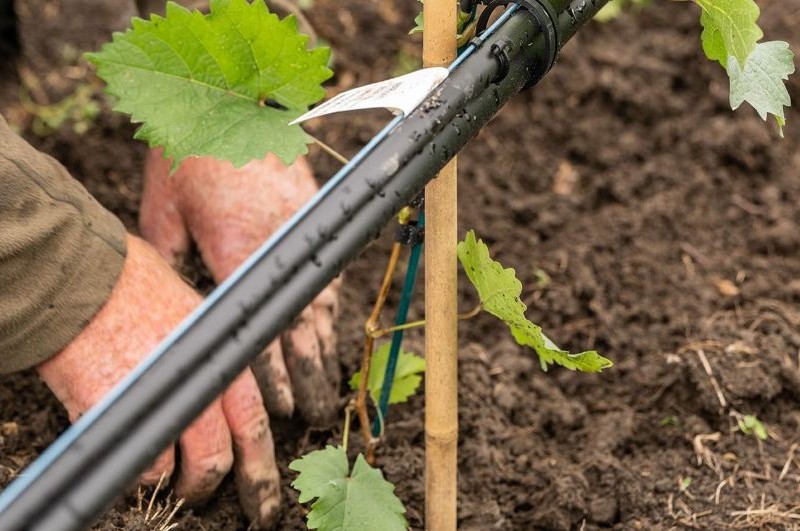
Bragato: SB2.0 - a modern platform for grapevine improvement
April 2026: While SB2.0's goal is improved Sauvignon Blanc clones, New Zealand Winegrowers' (NZW) foundational genetics programme has already created long-lasting assets for the industry: new disease and virus testing capability, scalable screening tools, modern genetic "fingerprinting", robust data systems, and stronger global and local partnerships. Programme Manager Dr Darrell Lizamore reflects on what's now in place, and why it matters for winegrowers.
"One of the most gratifying parts of my work has been seeing the enthusiastic response from visitors to our new breeding vineyard. With the vine population expected to reach 10,000 vines this season, it's a tangible (and large) example of the progress we've made toward developing and selecting new clones of our dominant national variety.
"Less visible are the modern resources for grapevine improvement we've built in the background. Developing new vines is a long game, but the capability to produce and screen them faster, more reliably, and with less risk will accelerate progress and reduce costs for years to come. This article will shed some light on that capability and how it's already being used beyond the Sauvignon Blanc 2.0 Programme (SB2.0)."
A new sauvignon blanc clone is planted in a test breeding vineyard. Photo: Bragato Research Institute.
Aqualinc: Summer 2026/27 outlook - New Zealand water resources
April 2026: Are we facing another very dry period for the summer of 2026/27 due to a change from La Niña to El Niño? Aqualinc's Principal Data Hydrologist Jan Diettrich explores the possiblities.
"El Niño and La Niña represent the two extremes of the El Niño-Southern Oscillation (ENSO), a naturally occurring fluctuation in Pacific Ocean Sea-surface temperatures that typically operates on a three-to-seven-year cycle. ENSO exerts a strong influence on New Zealand's large-scale weather patterns and seasonal water availability. While drought can occur under both ENSO phases, the past few summers in Canterbury have generally been wetter than average, reducing pressure on water users and allowing some recovery of river flows and groundwater levels."
However, the latest ECMWF seasonal forecast system indicates a heightened likelihood that El Niño conditions will develop during 2026 and persist into the 2026/27 summer, although there remains uncertainty regarding the eventual strength of the event due to the spring predictability barrier. "Current model guidance shows a transition from ENSO-neutral conditions to El Niño during the second half of 2026, with El Niño the most likely ENSO state through summer 2026/27. An intensifying El Niño, combined with rising temperatures driven by climate change, is expected to significantly increase the risk of very dry conditions."
Photo: Aqualinc Research.
Malaghan: From clinical trial to clinical tool
March 2026: Dr Philip George has been a part of New Zealand's CAR-T journey from the beginning, helping establish the ENABLE phase 1 trial, and now helping lead its phase 2 successor.
Having trained in the United Kingdom, where CAR T-cell therapy is standard of care for certain blood cancer, Phil is determined that New Zealanders gain access to the same life-changing technology here at home.
Clinical breakthroughs don't happen overnight; an enormous amount of work takes place behind the scenes. Scientists spend years refining and testing new cancer therapies, carefully building treatments that one day may change a patient's life. The journey from scientific discovery to treating a patient is rarely rapid.
In 2018, midway through his specialist training in haematology at the University Hospitals of Leicester in the United Kingdom, Phil was looking for an opportunity to gain experience in clinical research. Through a mutual connection he was introduced to Professor Robert Weinkove, Clinical Director at the Malaghan Institute and leader of the CAR T-cell programme.
Phil was soon recruited for a clinical research fellowship at the Malaghan Institute, flying half way around the world to help establish New Zealand's first CAR-T trial.
Photo: Malaghan Institute of Medical Research.

Motu Research challenges inclusion on register alongside lobbying organisations
March 2026: Motu Research has formally requested removal from the Democracy Project's NZ Lobbying and Influence register, asserting that inclusion misrepresents the Motu Research's role and mission.
Motu Research is a charitable trust and is the leading independent economic research institute in Aotearoa New Zealand, conducting rigorous analysis without advocating specific ideologies or political positions. Founded on the principle that sound public policy requires evidence-based research and informed debate, Motu Research maintains strict independence from political and commercial interests.
"We believe strongly in the distinction between independent research and advocacy," says Motu's Executive Director, Dr John McDermott CRSNZ. "Our mission centres on producing objective analysis to inform public discourse, not influencing specific policy outcomes."
The Democracy Project's register lists organisations that allegedly engage in lobbying or wield influence over New Zealand's political landscape. Project coordinator Bryce Edwards acknowledges Motu Research differs from traditional lobbying entities but maintains the organisation belongs on a broader list of influential think tanks and institutions.
Photo: Edmond Dantès, Pexels.

Motu: Marsden-funded study on upzoning
March 2026: Who benefits when cities allow more housing? A new research project aims to answer that question - and Motu Research's Senior Fellow Stuart Donovan will help with the analysis.
Researchers at the University of Auckland have received a Marsden Fund grant to investigate the social and economic effects of large-scale zoning reforms. The project will examine the effects of upzoning (i.e. adopting planning rules that allow for more housing) on individuals.
The team, led by Associate Professor Ryan Greenaway-McGrevy and Peter Phillips, will study Auckland Council's Unitary Plan. Introduced in 2016, the plan upzoned about three-quarters of Auckland's residential land, leading to a surge in housing construction.
But a key question remains: who ultimately gains from these changes?
Motu's Stuart Donovan will contribute to the project's analytical work. He will help collate data, estimate models and translate the research findings into policy advice.
The research team will analyse how zoning reform reshapes neighbourhoods - including if upzoning helps individuals access high-opportunity areas or, alternatively, deepens existing inequalities. Understanding these effects matters. Where people live influences education, employment, and life chances. Robust evidence can help governments adopt housing policies that expands opportunity.
Photo: Louise Thomas.

Scarlatti: How Fruition redesigned assessments with Vocina
March 2026: In 2025, the Food and Fibre Centre for Vocational Excellence (FFCoVE) commissioned Scarlatti to research the use of AI in education and test the viability of structured oral AI-driven assessment in partnership with Fruition. An article by Research Manager Zoe Morgan shares what happened next, and how Scarlatti's Vocina platform emerged from that work.
"Fruition was interested in exploring how AI could help them develop assessments that genuinely captured learners' understanding, not their ability to produce polished written work.
"Written assessments are familiar, but they don't always reveal how learners think. Capable learners sometimes struggle to express themselves in writing. Others refine and edit text in ways that mask gaps in understanding. At the same time, careful management is always required for grade moderation to achieve consistency across tutors.
"Fruition was not looking for shortcuts. They were looking to design accessible assessments that surface learners' authentic understandings while retaining strong moderation and tutor control."
Following initial research and testing, Scarlatti designed and built the Vocina platform to deliver structured oral assessment agents.
Image: Scarlatti.
MRINZ: Better control of airway inflammation in adult asthma
March 2026: A new study from the Medical Research Institute of New Zealand (MRINZ) has found that adults with mild-to-moderate asthma who are already using regular inhaled corticosteroids (ICS) can achieve better control of airway inflammation by using the 2-in-1 combination budesonide-formoterol as their reliever inhaler.
The findings, published in February in The Lancet Respiratory Medicine, come from the INFORM ASTHMA trial, a 26-week randomised controlled study involving 181 adults with asthma taking maintenance ICS therapy.
The trial compared the use of budesonide-formoterol as a reliever with terbutaline, a traditional short-acting reliever. Participants using budesonide-formoterol experienced a 20% reduction in fractional exhaled nitric oxide (FeNO), a key marker of airway inflammation.
Dr Jonathan Noble, Principal Investigator of the INFORM ASTHMA trial and MRINZ Research Fellow, says the study provides new evidence for a simple and effective treatment strategy.
"This is the first randomised controlled trial to show that adults taking regular scheduled maintenance inhaled corticosteroids can safely use budesonide-formoterol as a reliever to directly reduce airway inflammation, the underlying disease process in asthma," says Dr Noble.
Image: MRINZ.

MRINZ: Paracetamol and Ibuprofen safe for first year of life
March 2026: The MRINZ has contributed to a major New Zealand study confirming that paracetamol and ibuprofen — the most widely prescribed or over-the-counter medicines for babies worldwide — are safe for use in the first year of life, providing reassurance to parents and health professionals managing pain and fever in infants.
The findings provide much-needed clarity after earlier studies raised concerns about a possible connection between early paracetamol use and childhood conditions such as eczema and asthma. The new research found no link between either medication and eczema or bronchiolitis, a common respiratory illness in infancy.
Almost 4,000 babies across New Zealand participated from birth. Half were randomised to receive paracetamol and half ibuprofen when needed, with researchers monitoring outcomes including eczema, asthma symptoms, and bronchiolitis. Serious side effects were rare, and none were caused by the medicines.
Professor Stuart Dalziel, MRINZ Children's Health lead, was a lead researcher on the project. He says, "Our study found that paracetamol and ibuprofen are incredibly safe to use in young children... These results give parents and health professionals high confidence to continue to use these important medications."
Photo: MRINZ.
Independent research body warns building science capability at risk
March 2026: The Independent Research Association of New Zealand (IRANZ) is warning that proposed changes to the Building Research Levy could unintentionally weaken the scientific capability that underpins the safety and resilience of New Zealand homes and buildings.
The Government is reviewing the building and construction system, including a proposal to repeal the dedicated Building Research Levy and move building-related research into a fully contestable funding model. While reform is timely, IRANZ says removing the Levy without clear safeguards risks destabilising the long-term, independent research that keeps the system functioning.
"Contestable funding can deliver good short term outcomes," says IRANZ Chair Dr John McDermott, "but it cannot sustain the national building science capability that BRANZ has built over decades. Specialist laboratories, national testing facilities, long term datasets and expert teams require continuity and sustained investment over many years. If funding becomes short-term and uncertain, that capability can quietly erode."
For nearly 60 years, the Levy has helped sustain independent building science through the work of BRANZ. This includes seismic and fire research, moisture and durability testing, product assurance work, and tools used by councils, engineers, and builders to make safe decisions.
BRANZ Judgeford Research Facility. Photo: BRANZ.
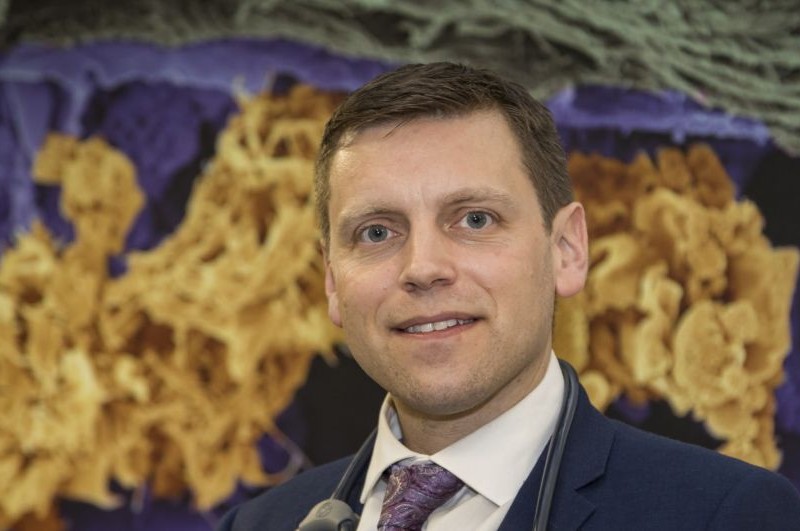
Malaghan: New Zealand's chance to lead in next-gen cancer treatments
March 2026: Professor Robert Weinkove, Clinical Director at the Malaghan Institute of Medical Research, writes that as a haematologist, one of the hardest conversations he has is telling someone that their blood cancer has come back, and that the treatments we usually rely on have stopped working.
A new kind of cancer treatment called 'chimeric antigen receptor' (CAR) T-cell therapy has transformed outcomes for some patients with blood cancers such as lymphoma or myeloma. First approved overseas in 2017, CAR T-cells are made by re-engineering a patient's own immune cells so they can recognise and attack cancer.
"The results can be remarkable. For some blood cancers, more than half of patients who had relapsed after multiple treatments went into complete remission. Many remain cancer-free years later."
CAR T-cell therapies are now publicly funded in Australia, the UK, and much of Europe. "Yet we have none here. Even New Zealanders who can overcome the cost and logistical barriers to travel overseas for CAR T can face long delays, which may mean losing the chance to benefit at all."
Professor Robert Weinkove, Clinical Director. Photo: Malaghan Institute of Medical Research.
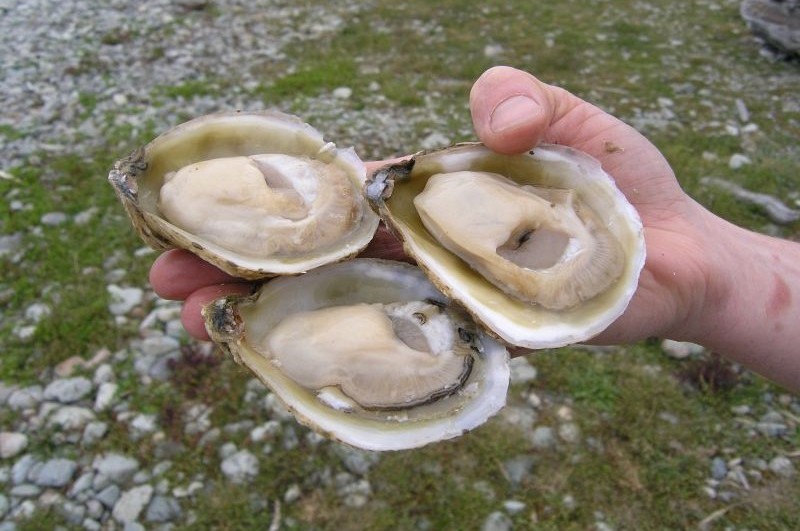
Cawthron: New partnership to strengthen future of Bluff oysters
March 2026: Cawthron Institute and Te Rūnaka o Awarua are advancing a new initiative focused on enhancing the resilience of tio, the iconic Bluff oyster, as a taoka (a treasured possession) species.
The 'Tio for Tomorrow' project brings together scientific expertise and kaitiaki leadership to support the restoration of wild tio populations in Te Ara-a-Kiwa, while laying foundations for a complementary hatchery capability that can strengthen long-term sustainability.
Land-based hatchery approaches provide a pathway to support both conservation and commercial outcomes. By improving genetic management, biosecurity procedures and technical capability, the initiative aims to help safeguard wild stocks of tio, building their resilience in the face of environmental pressures and restoring customary fisheries areas.
Cawthron and Awarua Rūnaka will engage with stakeholders to ensure strong whānau backing, robust governance structures and the development of reliable biosecurity approaches. This initiative is supported by Ngāi Tahu Seafood. Early pre-seed investment will enable taoka and intellectual property protection, financial modelling, social license development and technical procedure design.
Tio/Bluff Oyster - An iconic New Zealand seafood. Photo: Cawthron Institute.
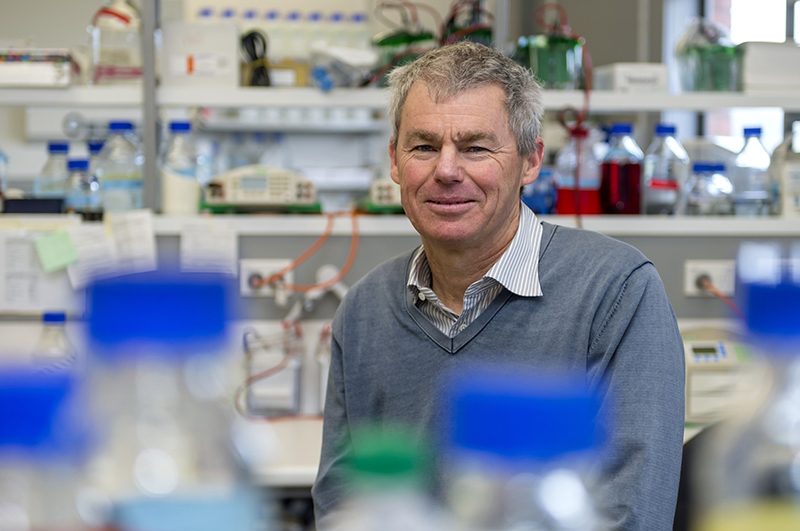
Connections 58 eNewsletter out now
February 2026: Another bumper issue of the IRANZ newsletter is out now. It's chock full of the latest independent science research news from around Aotearoa New Zealand.
Malaghan: Sir Graham Le Gros awarded knighthood
MRINZ: Trial confirms Bisoprolol safe for people with COPD
Malaghan: Understanding germinal centres for better vaccines
Gillies McIndoe: Antiparasitic may limit meningioma spread
Mātai: Fellowship received to support diabetes screening study
Motu: Pay gaps - an $18 billion a year issue
Dragonfly Data Science: More than 11,000 slips across East Cape
BRANZ: Building reform's quiet risk
Cawthron: 'Chemical fingerprinting' uncovers greenhouse gas sources
Lincoln Agritech enables AI-driven apple disease detection
Bragato: Mapping and disabling Botrytis enzymes to protect wine quality
. . . And much more.
Sir Graham and his team brought CAR T-cell therapy to New Zealand, leading to the country's first CAR T-cell clinical trial and laying the groundwork to make this advanced cancer therapy standard of care. Photo: Malaghan Institute of Medical Research.
IRANZ February news briefs
February 2026: Follow the link for more details on the February 2026 news briefs from our Independent Research Organisations.
- LASRA Director Geoff Holmes appointed IULTCS President
- Malaghan: Ground-breaking cancer treatment within reach
- Gillies McIndoe Laboratory Manager receives international Lab Heroes Award
- Mātai: Medical research interns complete 10-week experience in Gisborne
- Cawthron seeks nominations for NZ's next Freshwater Champions
- Bragato: Breeding new hybrid grape varieties for New Zealand
- Malaghan's Homegrown Hope - Stuff's series on CAR T-cell therapy
- Motu Affiliate Livvy Mitchell graduates with PhD in Economics
- Falling Walls Lab comes to Aotearoa New Zealand
- Bragato: Planetary facts for New Zealand wine
- LASRA: How leather is becoming the next e-skin super material
- ...and much more.
LASRA Director Geoff Holmes takes over as the International Union of Leather Technologists and Chemists Societies (IULTCS) President for 2026-2027. Image: LASRA.
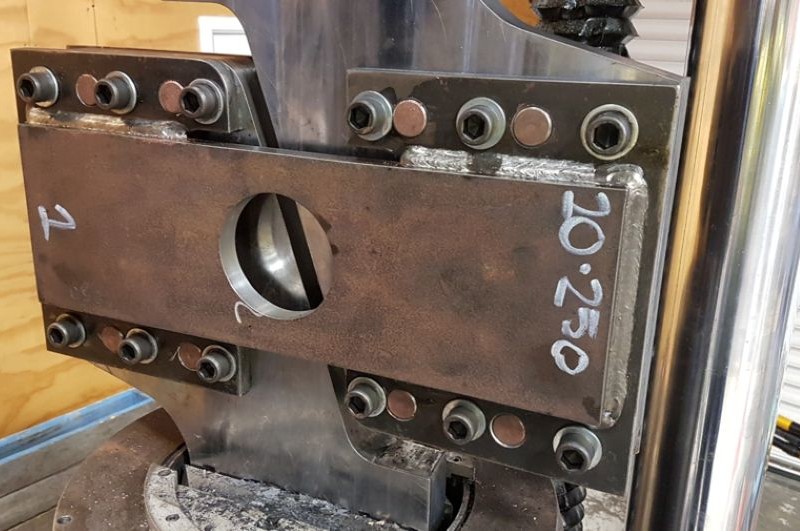
Smashing stuff with WSP's structural testing team
February 2026: Steel is one of the strongest alloys known to humankind. But even this formidable metal has a breaking point. WSP's structural testing team spend their days pushing materials like this to the limit and making sure built structures meet Aotearoa New Zealand's exacting performance standards.
A length of steel reinforcing bar (rebar) is clamped in the jaws of a gigantic industrial machine that can stretch and compress with awesome force.
Nearby is a reinforced concrete floor. Dotted with threaded sockets, the 'strong floor' has been specially designed so building materials and structures can be bolted down - twisted and torqued, bashed and thrashed.
Sitting in a corner is an unassuming hydraulic jack. Able to exert two hundred tonnes of force, it applies precise, high-pressure tension to steel wires, strands, and fibres.
Senior engineer for structural performance Cameron Moore and engineering performance technologist Michael Shanks have their hands full here year-round - testing incoming batches of steel, approving materials to meet safety and performance standards, and assessing rebar samples from bridges and buildings.
Photo: WSP.
BRANZ: Building reform's quiet risk
February 2026: New Zealand's building and construction sector is entering its biggest shake up in decades. As we navigate through 2026, almost every part of the system is under review - how buildings are consented, how liability is shared, how risks are managed, and how consumers are protected. But not all changes under consideration sit at the centre of the debate, and the risks they carry can be easy to miss, as BRANZ CEO Claire Falck explains.
"Less visible, but no less important to our sector, are proposed changes to how building research is funded. The government plans to remove the dedicated Building Research Levy that has supported building research for nearly 60 years and replace it with a different funding mechanism.
"The aim is to achieve greater simplicity and more competition. BRANZ supports that direction. A more open, outward-looking research system is a good thing.
"But what has been proposed also deserves an honest, clear-eyed assessment of risk. Without that understanding, reforms designed to strengthen the building sector could instead weaken the independent, public-good building science capability that was created by industry and has taken nearly 60 years to build."
BRANZ CEO Claire Falck. Photo: BRANZ.
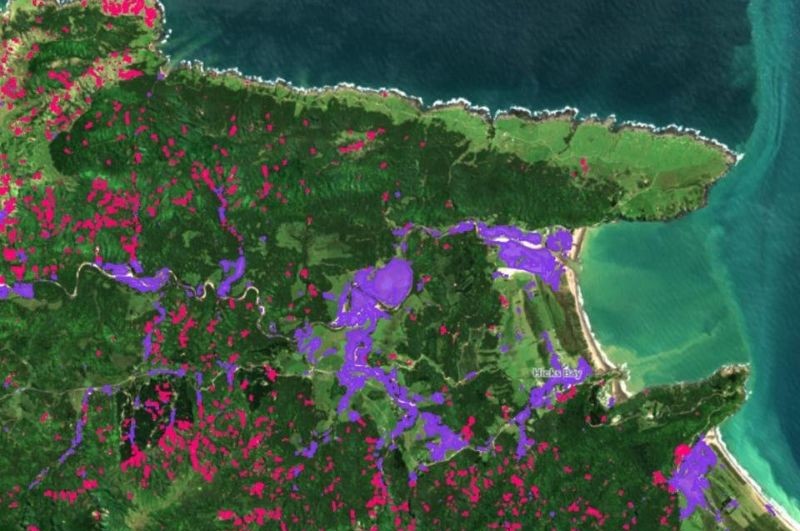
Dragonfly Data Science: More than 11,000 slips across East Cape
February 2026: A satellite map reveals the scale of devastation across the East Cape following the January 2026 storm, identifying more than 11,000 landslips, and silt damage covering an area of 900 hectares, as communities remain isolated due to road blockages.
Dragonfly Environmental Data Scientist Dr Yvan Richard and front-end developer Kusal Ekanayake developed the East Coast Slip Map to provide a region-wide overview of the damage, identifying visible evidence of landslides and silt movement by comparing satellite imagery taken before and after the storm.
Dr Finlay Thompson, Director of Data Science at Dragonfly, says that the goal was to create a clear, accessible, and large-scale snapshot of what happened across the area.
"Satellite imagery should be viewed as a crucial response tool in the aftermath of any disaster," says Finlay. "It provides a birds-eye view of the area following an intense and highly localised storm event such as this one, and allows for individual slips and silted areas to be identified."
"We hope this map helps build a clearer picture of how the landscape responded to the storm, supporting landowners, councils, and government agencies with the cleanup."
Image: Dragonfly Data Science.

Malaghan: Ground-breaking cancer treatment within reach
February 2026: Professor Kjesten Wiig, Director, Malaghan Institute of Medical Research, writes that for many people with aggressive blood cancers, CAR T-cell therapy represents something extraordinary: a second chance, when other options have run out. "Internationally, it's already changing lives. Here in New Zealand, we're closer than many people realise - but we're also at a critical point where momentum matters."
"At the Malaghan Institute, we're leading that progress. We've developed New Zealand's first CAR T-cell therapy, designed for our health system and people. We've successfully completed a phase 1 clinical trial and are well into phase 2 - treating more than 50 patients so far across New Zealand. This work is real, its tangible, and its already making a difference to people's lives.
"That's ground-breaking in itself. But what we're now trying to do is break new ground - by taking steps towards making CAR T-cell and other advanced therapies something New Zealanders can access through our public health system.
"Success means CAR T-cell therapy being available equitably to New Zealanders who need it, regardless of where they live or what they earn."
Professor Kjesten Wiig, Director, Malaghan Institute of Medical Research. Photo: Malaghan.
Aqualinc: New chapter for farming resource consents
February 2026: In the January issue of Canterbury Farming, Aqualinc's Principal Environmental Management Consultant Matt Bubb talks about the recent changes for consenting in the RMA.
"The major overhaul of the Resource Management Act (RMA) introduces two replacement laws: the Planning Bill, focused on enabling development and land use, and the Natural Environment Bill, dealing with environmental protection and management.
"What will this mean for farmers? This is great news for farmers. One of the major benefits is that you'll need fewer consents.
"The idea is that more activities, such as farming land use, will largely become permitted activities. This will significantly reduce delays, red tape, and costs. Because no consent will likely be required farming, it is likely that more emphasis will be put on freshwater Farm Plans and the auditing process.
"As such, there is potential for compliance costs to increase, although this should not be significant compared to the costs that have been incurred with securing consents."
Image: Aqualinc/Canturbury Farming.
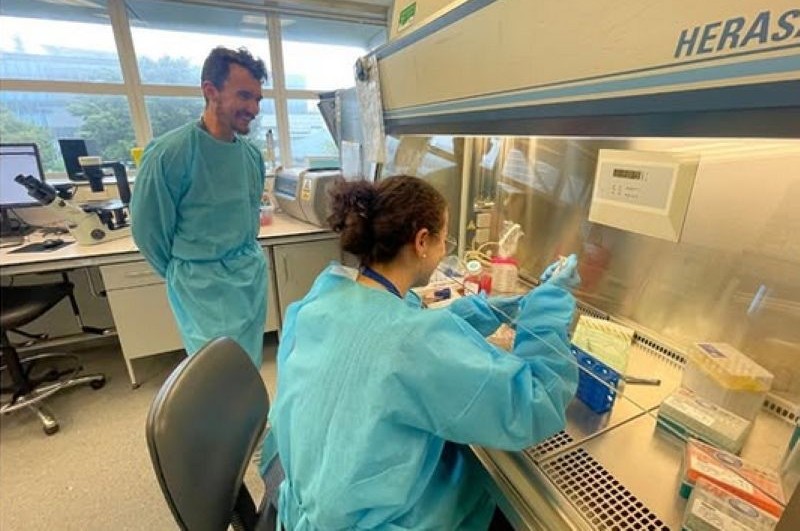
Gillies McIndoe: Antiparasitic may limit meningioma spread
February 2026: Researchers at the Gillies McIndoe Research Institute have reported new findings in Oncology Research suggesting that mebendazole - a long-established antiparasitic medicine - may help limit the spread of meningioma, the most common primary brain tumour.
Although many meningiomas grow slowly, some develop invasive behaviour linked to higher recurrence rates and poorer patient outcomes. This has driven the search for therapies that can curb tumour spread as well as growth.
Using patient-derived meningioma cells grown in advanced 3D culture models, the research team found that mebendazole prevented invasive behaviour in most samples tested. The results indicate the drug may work by disrupting internal cellular structures that cancer cells rely on to move into surrounding tissue.
While further investigation is required, the researchers say the findings are encouraging. With its known safety profile, high tolerability, and low cost, mebendazole could be a strong candidate for repurposing as a meningioma treatment. The study adds to international efforts to identify safer, more accessible cancer therapies through drug repurposing.
Two of the report authors from Gillies McIndoe, Matthew Munro and Clara López Vásquez. Photo: Gillies McIndoe.
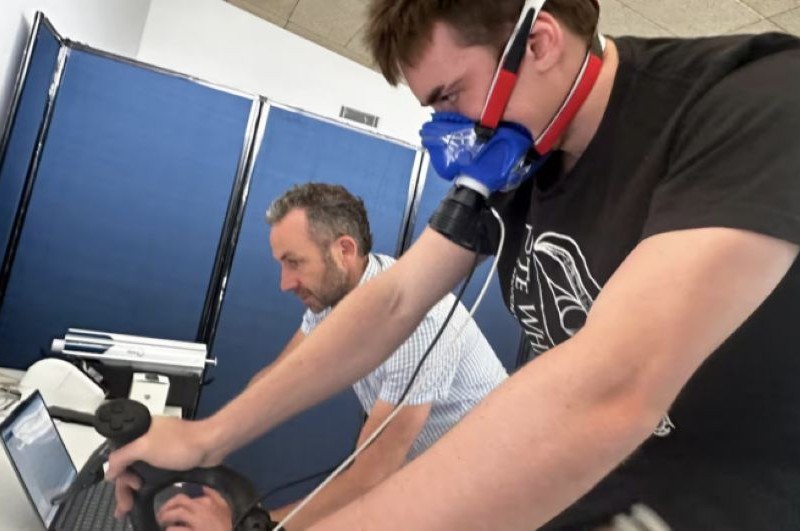
Mātai: Fellowship received to support diabetes screening study
February 2026: The Gisborne Herald (21 January) reported that Mātai Medical Research Institute senior research associate Dr Tim Salmond has been awarded a 2026 Health Research Council of New Zealand Clinical Research Training Fellowship.
The fellowship will support Tim's PhD research, centred on a randomised clinical trial known as "Decode". The study will examine whether adding real-time continuous glucose monitoring (CGM) to a diabetes self-management education (DSME) programme can improve diabetes control and key health markers for people living with type 2 diabetes.
Diabetes has a significant impact on Tairāwhiti whānau, with Māori and Pasifika often diagnosed earlier and experiencing greater health burdens. The Decode trial will include detailed assessments not typically available in the public health system, including MRI scans to measure organ fat, a modified glucose tolerance test, and metabolic testing at rest and during exercise.
The research team will also evaluate cost-effectiveness, building evidence to inform future funding decisions around CGM use in DSME programmes.
Dr Tim Salmond, left, with Tom Gerlach, performing an exercise test at the cardiometabolic lab at Mātai in Gisborne. Tim has been awarded a fellowship to support his PhD research into diabetes. Photo: Mātai.

LASRA: The science of hygroscopic memory
February 2026: A new study led by LASRA director Geoff Holmes is using Digital Twin technology to better understand how wet-end chemistry influences the physical behaviour of leather during drying. By moving beyond traditional trial-and-error methods, the research demonstrates how virtual modelling can predict structural outcomes in hides before processing begins.
The team focused on a phenomenon they call "hygroscopic memory" - the tendency of collagen fibres to retain moisture based on specific chemical conditions during neutralisation. Using a proprietary Vapour Barrier Index (VBI), the study identified pH 5.7 as a critical point where structural changes occur within the collagen matrix.
Trials on New Zealand steer hide showed that samples neutralised at pH 5.7 retained 10.2% more water than controls. The Digital Twin model flagged this as a high "stall risk", where moisture becomes unevenly trapped, complicating drying, staking, and milling.
The findings offer tanners a predictive tool to optimise drying energy use and achieve more consistent moisture distribution during the crust stage.
Image: LASRA.
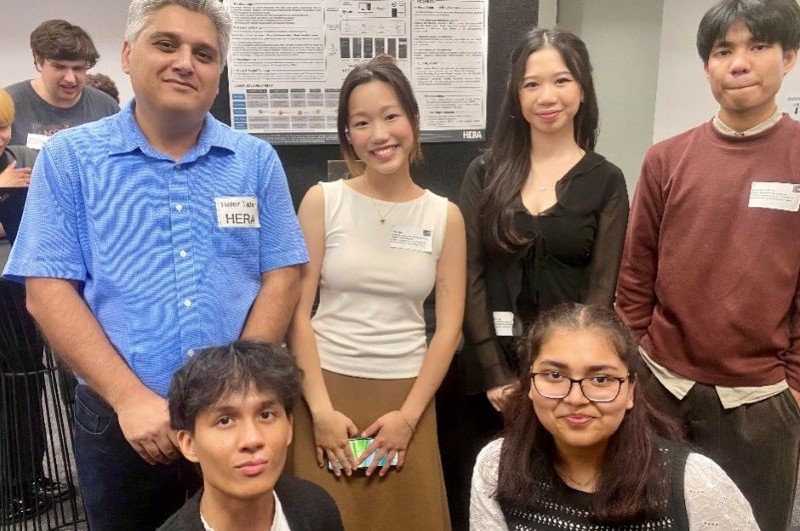
HERA: Enhancing bolt inspections
February 2026: Bolt inspections might seem like a small part of a construction project, but they play a crucial role in ensuring the integrity and safety of steel structures. Traditionally, these inspections are done manually, often relying on paper-based records and visual checks. While this approach has worked for decades, it can be slow, inconsistent, and vulnerable to human error.
For their final-year engineering project, a team of AUT students set out to change that. Their goal was to modernise bolt inspections using Computer Vision and Augmented Reality (AR). They wanted to create a tool that didn't just digitise the process but genuinely improved it, making inspections faster, more reliable, and easier to document. By combining real-time bolt detection with on-screen guidance through AR, the team aimed to give inspectors a smarter way to work, one that reduces human error while enhancing safety and quality assurance on site.
The students' final-year research project was supervised by Dr Kien Tran from AUT and Drs Michail Karpenko and Hafez Taheri from HERA, and was showcased at the AUT BCIS Student Showcase 2025 on 6 November. The Project team members were Chloe Kua, Gio Hanns Turtal, John Miguel Maranan, Mardiliza Lay, and Shushmita Paul. Photo: HERA.
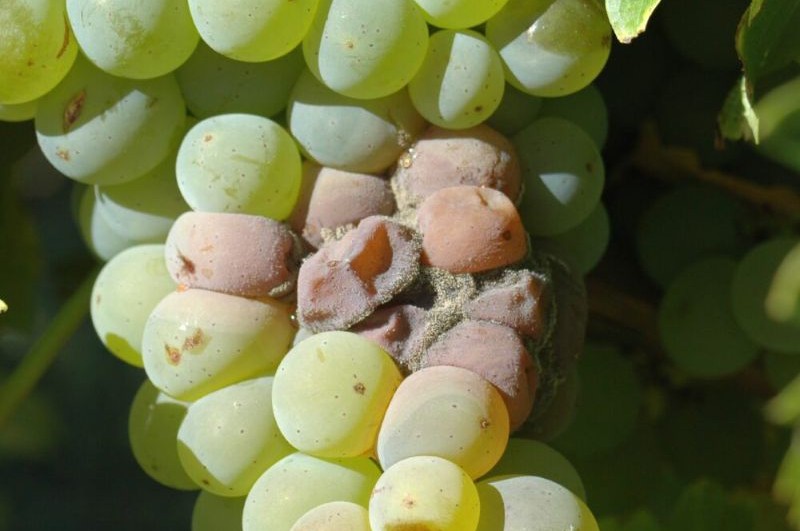
Bragato: Mapping and disabling Botrytis enzymes to protect wine quality
February 2026: Researchers from Bragato Research Institute (BRI) and Victoria University of Wellington are investigating the genetic diversity of Botrytis cinerea and the laccase enzymes it produces - key contributors to wine spoilage. Annabel Whibley and Ngarita Warden (BRI), alongside Wayne Patrick (VUW), are combining genome sequencing and biochemical analysis to understand how these enzymes vary between strains and how they might be removed during winemaking.
In a pilot study, samples from six vineyards across Gisborne, Hawke's Bay and Marlborough yielded 11 distinct B. cinerea strains. The BRI team sequenced each genome to map diversity across New Zealand vineyards. Meanwhile, the VUW team purified a major laccase from infected Gisborne Chardonnay fruit and modelled its atomic structure to predict how strain-specific differences affect enzyme behaviour.
With their pipeline established, the researchers are expanding sampling in 2026 and are calling for botrytised fruit from vineyards nationwide to better understand regional and varietal differences and guide future management strategies.
Botrytis cinerea is a fungus causing rot in grapes, leading to yield and quality losses, particularly in humid conditions. Photo: Bragato.
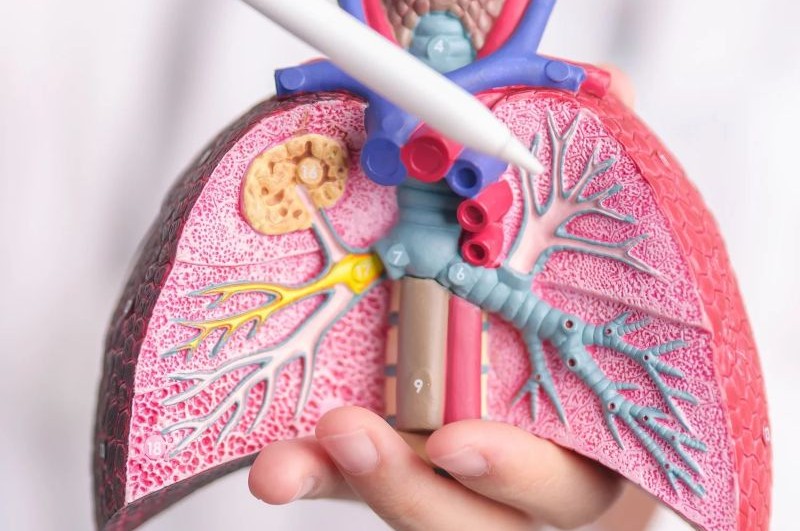
MRINZ: Trial confirms Bisoprolol safe for people with COPD
February 2026: A major international study has found the beta-blocker bisoprolol is safe for people living with chronic obstructive pulmonary disease (COPD), challenging long-held concerns about its use in this group.
COPD is a leading cause of hospital admissions in New Zealand. Many people with COPD die from cardiovascular disease as often as from their lung condition, making effective heart treatment essential. Yet patients with COPD have often been excluded from cardiovascular trials, leaving uncertainty about the safety of common therapies.
Beta-blockers were traditionally considered unsuitable for COPD, despite observational evidence suggesting they may reduce mortality and hospitalisations.
The two-year, multicentre randomised controlled PACE trial, published in The Lancet Respiratory Medicine, shows that bisoprolol, a cardio-selective beta-blocker, can be used safely in people with COPD. While no additional benefit was seen across the broad study population, the findings highlight the need for further research to identify which patients may benefit most.
Professor Richard Beasley, MRINZ Director, says the trial provides important evidence to guide safe, evidence-based care for people with both COPD and heart disease.
Photo: MRINZ.

Motu: Pay gaps - an $18 billion a year issue
February 2026: An updated analysis by David Maré, Senior Fellow at Motu Research, highlights the scale of New Zealand's gender and ethnic pay gaps, estimating they represent up to $20 billion a year in unequal earnings.
Using updated Statistics New Zealand data from June 2025, the research shows women's median hourly pay ($33.76) remains 5.2% lower than men's ($35.62). When measured using average pay rates — which better capture disparities at higher incomes — the gap widens to $3.75 per hour. Equalising average pay would increase women's earnings by $7.8 billion annually, around 4.2% of all wages paid in 2025.
The research also reveals substantial ethnic pay gaps. Compared with NZ European/Pākehā men, Māori, Pacific, and Asian workers earn markedly less on average, with wāhine Māori and Pacific women facing combined gender and ethnic gaps exceeding 20%.
Even after accounting for factors such as education, age, occupation, and location, a gap of $14.1 billion remains. Evidence shows that within-firm pay practices play a major role, suggesting employers have significant scope to reduce inequities through transparent and structured pay systems.
Photo: Clay Banks, UnSplash.
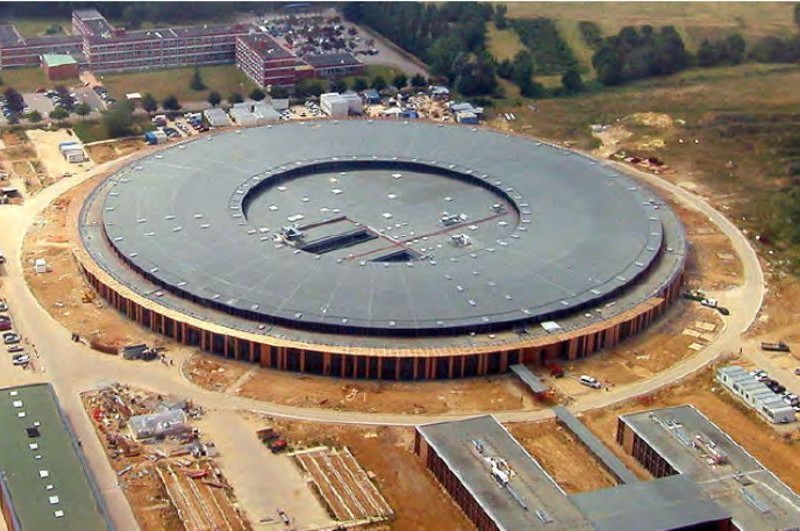
LASRA: Transforming chrome shavings into high-value materials
February 2026: A new LASRA SSIF Platform project is transforming a common leather-processing waste into a high-value resource for energy storage technologies. The focus is on chrome shavings, a biomass-rich byproduct, which are being repurposed into ultra-thin films for use in advanced energy-storage components.
Rather than relying on costly chemical treatments, the project takes advantage of the material's naturally crosslinked structure, offering a more sustainable and efficient pathway for material preparation. To date, researchers have successfully produced eleven chrome-shaving-based film formulations. In-house physical and thermal characterisation has been completed, while advanced Small-Angle X-ray Scattering (SAXS) experiments were undertaken at SOLEIL in France.
Preliminary results are promising. Most films achieved consistent thicknesses of under 20 nanometres, and mechanical and thermal properties were comparable across formulations. Importantly, the preparation method shows strong potential for scale-up.
Ongoing work includes detailed SAXS data modelling and electrochemical testing by collaborators at Earth Sciences New Zealand (ESNZ), with a decision pending on further SANS analysis.
SOLEIL synchrotron facility in France. Photo: Synchrotron Soleil.
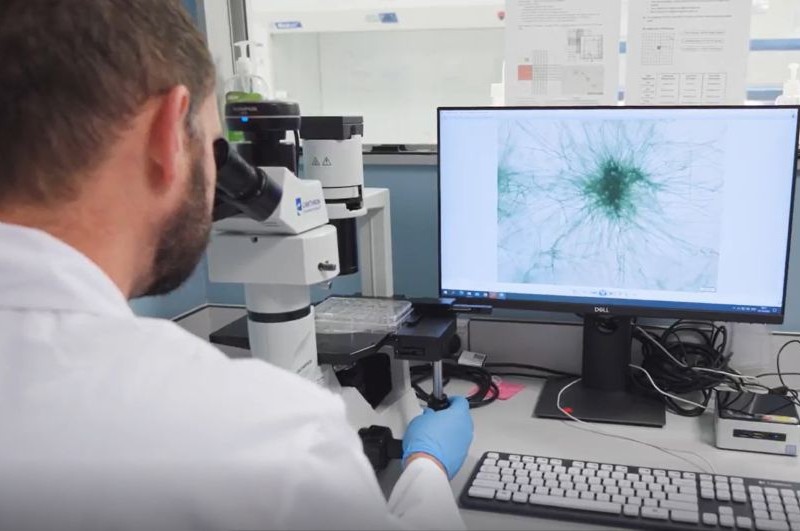
Cawthron: 'Chemical fingerprinting' uncovers greenhouse gas sources
February 2026: A Cawthron scientist and his collaborators have developed a cutting-edge method to better understand where the powerful greenhouse gas nitrous oxide (N₂O) comes from in aquatic environments — and it might change how we think about sources of climate pollution.
Cawthron Algal Biotechnologist Dr Maxence Plouviez and the interdisciplinary team behind a new study published in Biogeosciences have shown for the first time that microalgae and cyanobacteria — tiny organisms that live in water — leave distinct isotopic 'fingerprints' in the nitrous oxide they produce. This means researchers can now begin to untangle how much of this pollutant comes from algae versus other microorganisms.
"This breakthrough gives us a tool to trace where nitrous oxide is coming from in complex aquatic environments," says Dr Plouviez, "It opens the door to more accurate greenhouse-gas accounting and, eventually, improved mitigation strategies."
Nitrous oxide is a potent greenhouse gas and contributor to ozone depletion, with far more warming potential per molecule than carbon dioxide. Until now, scientists have struggled to distinguish N₂O made by microalgae from the gas produced by other organisms such as bacteria in aquatic ecosystems.
A researcher examines cyanobacteria under a microscope. Photo: Cawthron Institute.
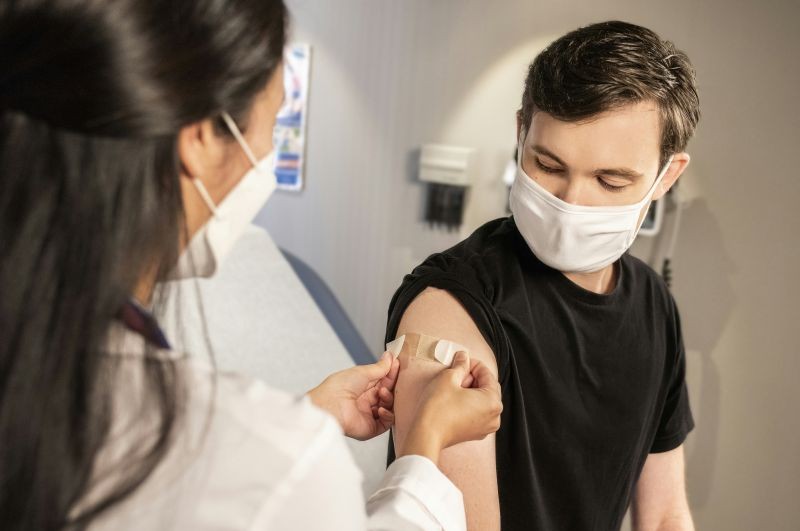
Malaghan: Understanding germinal centres for better vaccines
January 2026: Research from the Malaghan Institute and the Babraham Institute in the United Kingdom has offered new insights into germinal centres, immune hubs where infection-fighting antibodies are made. Published in Science Immunology, the findings add an important layer of understanding into the resilience of germinal centres, and the role of individual immune cells in helping maintain a robust and long-lasting immune response to infectious threats, with implications for future vaccine design.
Grant Kennedy, a Senior Data Scientist working within Dr Michelle Linterman's lab at the Malaghan Institute, says they set out to look more deeply into the role of helper T-cells in germinal centres using cutting-edge bioinformatics and genetic tools.
"In germinal centres, B-cells are trained to become antibody secreting cells that can stop pathogens through the production of highly specific antibodies. This process is helped by T-cells, in particular, helper T-cells. We know that the germinal centre response depends on these helper T-cells but how they do this in germinal centres is not well understood.
“In our research we targeted the helper T-cells using gene-editing tools, deleting them in the middle of the germinal centre response to an infection...”
Photo: CDC, Unsplash.
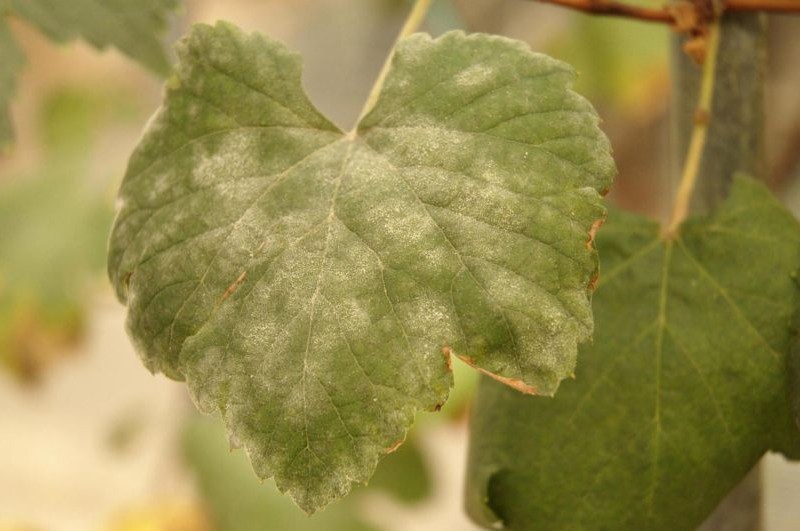
Bragato: Moderate fungicide resistance detected in NZ vineyards
January 2026: Dr Yusmiati Liau of Bragato Research Institute writes that a recent pilot study has identified moderate resistance to several key fungicide groups in grapevine powdery mildew populations in Marlborough and Hawke's Bay, highlighting the need for careful resistance management in New Zealand vineyards.
Powdery mildew (Erysiphe necator) remains a major challenge for grape growers, with even minor infections affecting wine quality. Dr Liau explains that while multi-site fungicides such as sulphur and copper are less prone to resistance, modern single-site fungicides are more vulnerable because the pathogen can adapt through small genetic changes.
The 2025 study, conducted with the New Zealand Institute for Bioeconomy Science, combined traditional fungicide sensitivity testing with molecular diagnostics. The results showed widespread resistance in Marlborough vineyards, while resistance levels in Hawke's Bay were mixed.
Dr Liau notes that newer fungicides remain effective but stresses that rotation between fungicide groups and ongoing monitoring are essential to maintain their long-term effectiveness.
Photo: Bragato Research Institute.
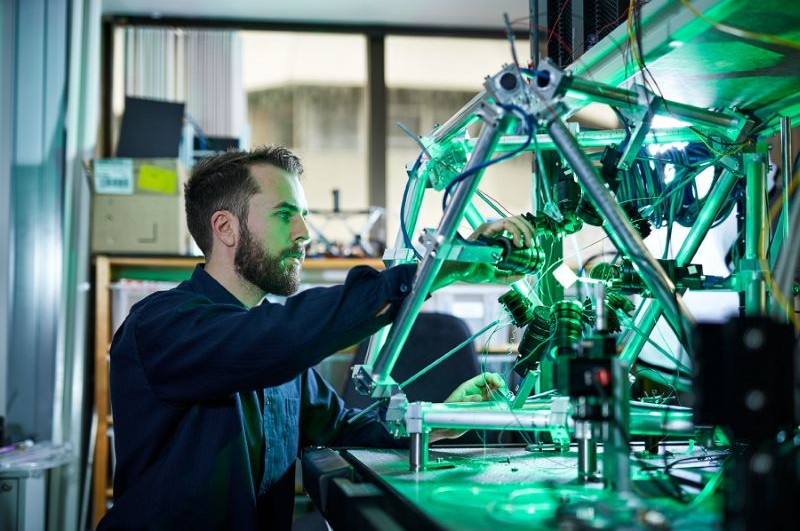
Motu: Evaluation shows positive impact of R&D Tax Incentive
January 2026: A new evaluation by Motu Economic and Public Policy Research of the Government's Research and Development Tax Incentive (RDTI) finds the scheme is having a positive impact on business investment in research and development and delivering significant economic benefits for Aotearoa New Zealand.
This is the first major independent assessment of the RDTI since its introduction in 2019. The evaluation shows that for every $1 of government spending through the incentive, firms invested an additional $1.40 in R&D. The resulting increase in R&D activity is estimated to have generated a $6.77 billion impact on New Zealand's GDP, equivalent to around 4.2 times the level of government investment.
Quantitative analysis found that firms supported by the RDTI spent more on R&D than they would have otherwise, with stronger effects observed among smaller firms. Qualitative evidence indicates that most businesses experienced positive impacts on R&D activity and wider business outcomes. Firms with international operations also reported that the RDTI plays an important role in attracting and retaining R&D work in New Zealand.
Photo: Matt Crawford, Auckland Bioengineering Institute.

Lincoln Agritech enables AI-driven apple disease detection
January 2026: Crop pests and diseases remain one of agriculture's most costly challenges, responsible for more than $360 billion in losses each year globally.
In New Zealand, a threat to apple growers is bull's-eye rot, a fungal disease that infects fruit during the growing season but remains invisible until post-harvest, affecting stored and eventually shipped fruit.
Detecting it only in the target markets results in significant financial and reputational losses.
With New Zealand's apple exports reaching a record $1 billion in 2025, early detection is crucial but has been impossible with conventional sensing technology.
As part of the STELLA Horizon Europe project, Lincoln Agritech is piloting a new approach in Hawke's Bay, New Zealand's largest apple-growing region.
The team has deployed automated spore samplers, UAV, and satellite imagery to monitor environmental conditions, canopy features and pathogen activity. These data streams will feed into STELLA's AI-powered risk models which could complement New Zealand models on this disease.
Photo: Lincoln Agritech.
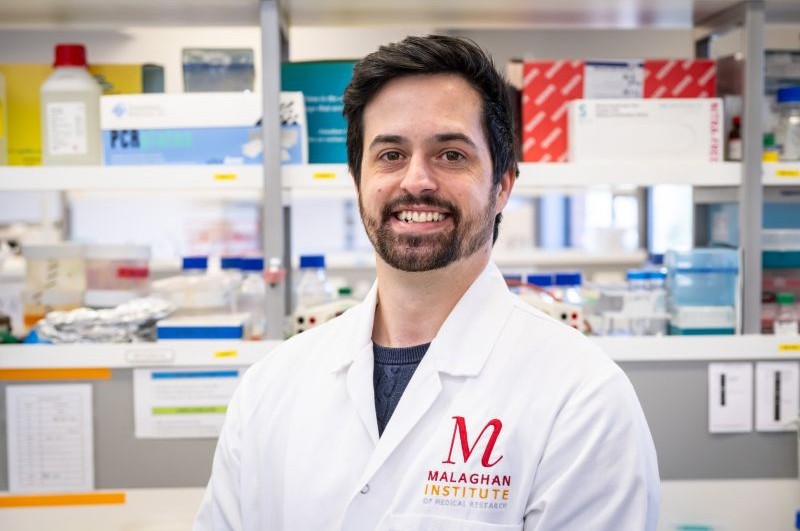
Malaghan: Quirk of the immune system may aid in disease protection
January 2026: "My research focuses on how immune cells within the lung organise themselves into structures known as tertiary lymphoid structures," says Dr Kit Moloney-Geany, who works in Dr Kerry Hilligan's Lab at the Malaghan Institute. "They share many similarities to lymph nodes, helping drive adaptive immune responses within the lung tissue. Our interest is on how these structures form and what influence they have on disease outcomes."
Tertiary lymphoid structures are small clusters of immune cells that form in tissues outside the lymph system - where B-cells and T-cells are called in and put to work. This is unusual, as typically the coordination of B- and T-cells takes place within lymph nodes - designated sites around the body like the armpit, groin or neck that act as coordination hubs for immune responses.
Whenever there is damage to cells, whether by bacteria, virus or other assault, we see inflammation - the first step in overcoming any threat. And where there is inflammation, we find tertiary lymphoid structures forming like barnacles on a ship.
Dr Kit Moloney-Geany is investigating one of the immune system's oddities - tiny lymph node-like structures that pop up in response to inflammation and may hold important clues to how we fight disease. Photo: Malaghan Institute.
Cawthron seeks nominations for NZ's next Freshwater Champions
January 2026: Do you know an individual or community making an outstanding contribution to the health of our freshwater environments?
Cawthron Institute has opened nominations for Freshwater Champions — a biennial event that recognises those creating positive change for rivers, lakes, wetlands and estuaries across Aotearoa New Zealand.
Delivered as part of its philanthropic programme, the Freshwater Champions event aims to raise awareness about the importance of freshwater health, celebrate on-the-ground restoration efforts, and share examples of action and innovation from across the country. Winners will be announced at a celebratory event in Nelson this August.
Nominations will be assessed by an independent panel of scientists with expertise in freshwater health and management. Assessment criteria include the freshwater-related challenges being addressed, on-the-ground actions and achievements, how the initiative encourages others, future-focused planning, and demonstrating leadership and equity. Not all criteria must be met to be nominated.
Image: Cawthron Institute.

Bragato: Planetary facts for New Zealand wine
January 2026: Bragato Research Institute's (BRI) Alice Oswald and Kate Meyer write about their partnership with the Planetary Accounting Network (PAN) and 16 other organisations across New Zealand's Food & Fibre sector to pilot a new environmental assessment and labelling system, developed by PAN, called Planetary Facts.
The wine industry, like many others, faces growing market and regulatory demands for evidence of environmental performance. New Zealand's wine industry has long been a sustainability pioneer, with SWNZ among the world's first wine sustainability programmes. Today, SWNZ provides a strong foundation for environmental oversight, tracking key indicators. Yet many producers still struggle to translate those numbers into decisions, marketing stories, or export evidence. Trade-offs between impacts are complex — for example, reducing carbon while increasing water use. Without a scientific benchmark for what 'good' looks like, it can be difficult to stand out.
There is compelling evidence that environmental performance influences business and consumer purchasing decisions. However, customers are often confused by environmental claims due to the sheer number of eco-labels on the market, and limited comparability and transparency, among other things.
Photo: Bragato Research Institute.
Malaghan: Sir Graham Le Gros awarded knighthood
January 2026: Sir Graham Le Gros has been promoted to Knight Companion of the New Zealand Order of Merit for services to medical science in the 2026 New Year Honours, acknowledging a legacy that has fundamentally shaped New Zealand's ability to respond to major health challenges, build sustainable research capacity, and give Kiwis early access to ground-breaking treatments.
Sir Graham served as director of the Malaghan Institute of Medical Research from 1994 until the end of 2024, and continues his service to the institute as deputy chair. Over three decades of leadership, he transformed the independent charity into a world-class centre for immunology and biomedical innovation, undertaking cutting-edge research across cancer, infectious disease, autoimmune, allergy and inflammatory conditions.
Chair of the Malaghan Institute, Sir Paul Collins, says the honour is richly deserved and reflects a lifetime of service that has led to improved health outcomes, strengthened national capability, and inspired public confidence in science.
Sir Graham and his team brought CAR T-cell therapy to New Zealand, leading to the country's first CAR T-cell clinical trial and laying the groundwork to make this advanced cancer therapy standard of care. Photo: Malaghan Institute of Medical Research.

Lincoln Agritech: Wool reinvented
January 2026: New Zealand's low-grade wool is finding new life in unexpected places, from air filters and pigments to textiles and now, nail care.
The team at Lincoln Agritech is working to transform low-value biological resources into high-value, commercially viable products.
Its latest success story is a collaboration with "Dr. Tom Nail Care", a New Zealand-made nail hardener that uses keratin extracted from low-grade wool to help harden and protect nails.
The idea came from Dr Tom Cawood, a hospital doctor and classical guitarist, who was looking for a natural solution to brittle nails, a common problem for guitarists.
Group Manager for New Materials and Biotechnology at Lincoln Agritech, Dr Rob Kelly, and his team, have spent years deconstructing and rebuilding keratin structures, such as wool and nails, and using that knowledge to create high value applications.
For this project, their innovation was using keratin from wool to create a model nail system that accurately represented real nails but was able to be easily measured and tested. This approach allowed the team to measure improvements in nail strength and validate the product's performance.
Photo: Lincoln Agritech.

BRANZ: $11.5 million for building research to make Kiwi homes smarter
January 2026: From low-cost granny flat designs to AI-powered tools, 22 new projects will share $11.5 million in Building Research Levy funding, driving innovation and affordability for New Zealand's buildings.
A Building Research Levy of 0.1% is collected from all building consents over $20,000. Every year, it's invested into industry-led contestable funding for universities, industry groups, and researchers to deliver practical solutions to reduce costs, lift quality, and improve resilience and sustainability in Kiwi buildings.
A key priority is housing affordability, with 13 projects this year focused on lowering building, maintenance, and living costs, improving efficiency, and delivering more affordable housing options.
Decisions on where to invest the Building Research Levy are guided by the Research Investment Advisory Group, an independent panel of sector experts.
"Industry leadership in building research decisions is critical," says Paul Campbell, representing Engineering NZ and Chair of the Research Investment Advisory Group. "These projects were chosen through a rigorous process to deliver tools and outcomes that make a tangible difference for the sector."
Photo: BRANZ.
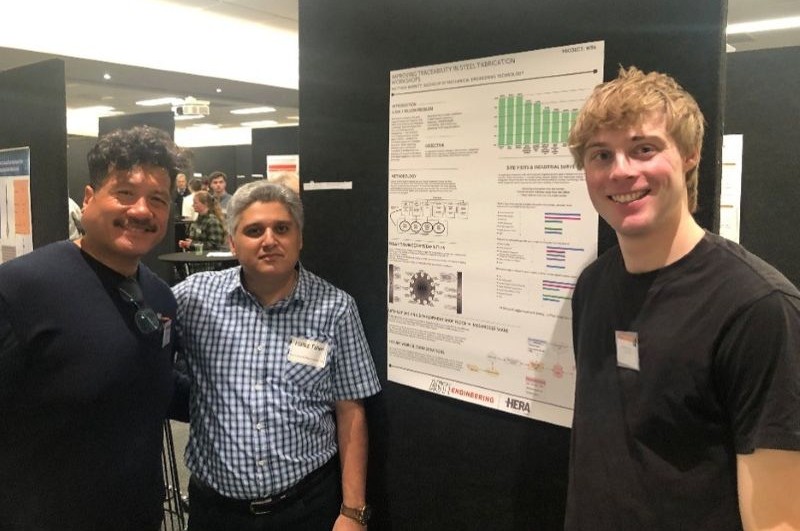
HERA: Digitising what already works
January 2026: For his final-year engineering project, AUT student Matthew Barrett set out to answer a deceptively simple question: What if the markings, notes, and cues fabricators already use could be captured digitally without changing the way they work?
The idea was sparked a year earlier during an AUT scholarship programme that took Matthew through advanced manufacturing sites and research centres in India and Malaysia. What stood out to him wasn't just the machinery.
"I found it fascinating to see how physical work, planning decisions, quality checks, and digital records all flowed together as one process," he says. "Seeing how those environments made industrial processes feel integrated and natural left a strong impression on me."
Back in New Zealand, an opportunity arose to explore similar ideas with HERA. At first, he approached the project from a traditional angle of industrial traceability. But after spending time on workshop floors and observing how coordination actually happens, the challenge crystallised into something more practical: digitise what already works.
Matthew's final-year research project was supervised by Dr Junior Nomani at AUT and Drs Michail Karpenko and Hafez Taheri at HERA, and was showcased at the AUT Engineering Student Showcase 2025 on 30 October. Photo: HERA.