

Latest news and updates
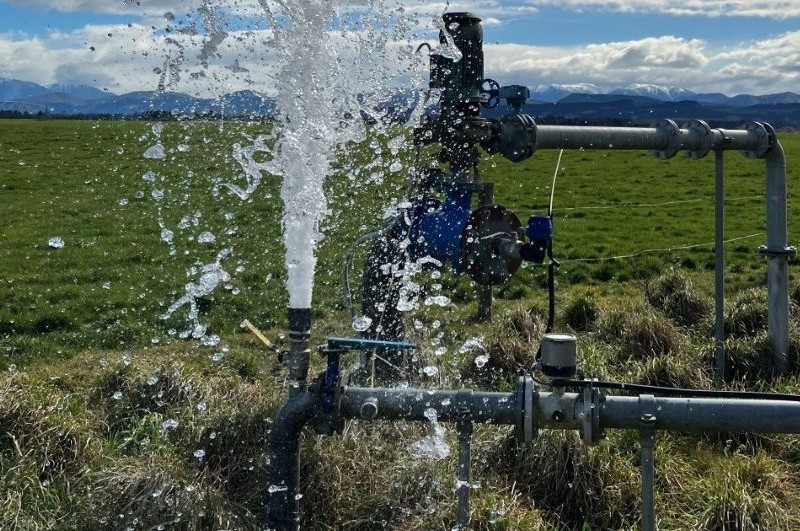
Aqualinc: Summer outlook for groundwater
October 2026: Groundwater is an important natural resource for Canterbury. It supports irrigation, stockwater, drinking water, spring-fed streams, and wetlands. As we approach another irrigation season, rural water users may be asking how groundwater resources looking, and what might summer bring?
The answer depends on two key factors: how much recharge the groundwater system has received over the past winter, and what weather patterns are likely to develop in the months ahead.
Much of Canterbury's groundwater recharge occurs over the latter part of autumn and through winter. During this time, soil moisture levels are generally higher and evapotranspiration rates are lower, allowing a greater proportion of rainfall to move through the soil profile and replenish aquifers. This past winter, data from several Canterbury Plains rainfall stations with long records shows below-average rainfall, indicating that recharge to the groundwater system is also likely to have been below average.
Groundwater levels vary across Canterbury due to differences in geology, rainfall patterns, and proximity to rivers. Shallower aquifers typically respond rapidly to recent rainfall and river flow changes, while deeper layers of the groundwater systems can take much longer to respond.
Photo: Aqualinc.

BRANZ: Record response to Building Research Levy Fund
October 2026: A record 162 research concepts have been submitted for the 2026 Building Research Levy funding round, competing for an estimated $10 million available for new research.
More than 70 organisations put forward ideas to tackle Aotearoa New Zealand's biggest building and construction challenges, from housing affordability and resilience to building quality and sustainability.
Submissions came from across the sector, including industry groups, universities, Public Research Organisations, Māori research groups, independent researchers, and BRANZ researchers.
It is the highest response to a Building Research Levy funding round and a significant increase from the 107 concepts received last year. The previous round funded 19 projects, including open-source granny flat designs, tools to help communities prepare for and recover from flooding, and guidance supporting iwi-led housing developments on Māori land.
Rick Osborne, Chair of the Building Research Advisory Council, member of the Research Investment Advisory Group and representative of BusinessNZ, says the response shows the value of bringing the sector together around shared challenges.
Image: BRANZ.