
News 2025
Archives: 2026 | 2025 | 2024 | 2023 | 2022 | 2021 | 2020 | 2019 | 2018 | 2017
News 2025
Connections 57 eNewsletter out now
December 2025: Another bumper issue of the IRANZ newsletter is out now. It's chock full of the latest independent science research news from around Aotearoa New Zealand.
BRANZ responds to proposed changes to Building Research Levy Act
Motu: KiwiSaver dollars lent to "high alert" Governments
Cawthron: Marsden Fund grants to reveal hidden ecological stories
Motu: Marsden grant for making the most of cities and towns
Malaghan: Marsden funding for cancer, allergy, and disease research
MRINZ-led Mega-ROX trial world's largest ICU study
Gillies McIndoe expands access to translational research services
Lincoln Agritech: Innovation could solve medical plastic waste crisis
Bragato: Researchers unlock high-value potential in grape marc
Aqualinc: Aquifers well recharged
. . . And much more.
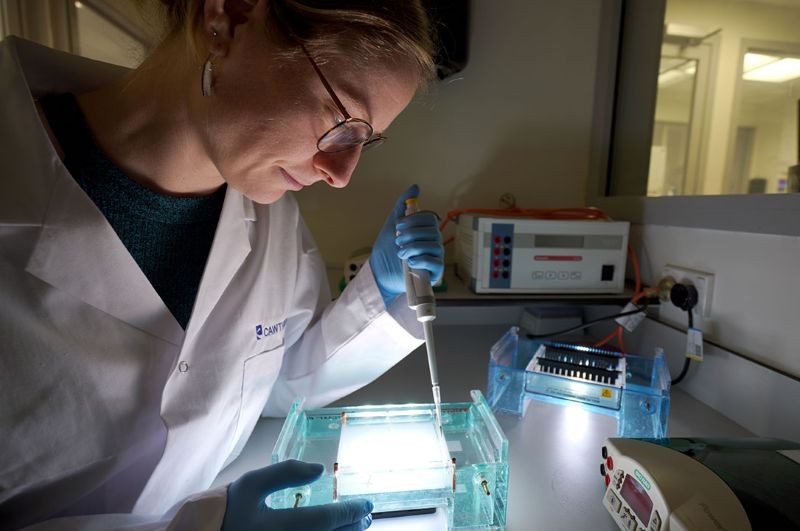
Dr Georgia Thomson-Laing is the recipient of a Marsden grant - she (and associate investigator Dr Finnbar Lee) will be analysing DNA preserved in lake sediments to reconstruct ecological change over the past 150 years. Photo: Cawthron Institute.
IRANZ December news briefs
December 2025: Follow the link for more details on the December 2025 news briefs from our Independent Research Organisations.
- Malaghan: Celebrating milestones in bringing life-saving cell therapies to New Zealand
- Expression of Interest: Co-Director, Medical Research Institute of New Zealand
- Motu: 2025 Sir Frank Holmes Prize winner
- Cawthron Institute Trust Board announces new Chair
- HERA: Weaving te ao Māori into everyday mahi
- Bragato: Predicting the formation of calcium tartrate crystals in wine
- Malaghan: Dr Kerry Hilligan awarded Sir Charles Hercus Health Research Fellowship
- Motu: 2024-2025 Annual Report is now available
- ...and much more.
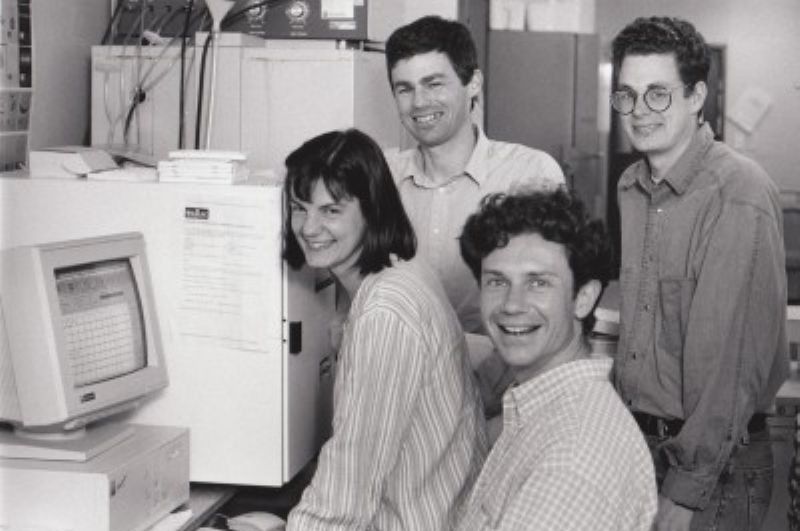
In the three decades Professor Graham Le Gros served as director of the Malaghan Institute, he brought together people to make a difference, uniting them under one goal: to bring life-changing, cutting-edge treatments to New Zealanders. Clockwise from left, Franca Ronchese, Graham Le Gros, John Holloway, and Rod Dunbar. Photo: Malaghan Institute.
Lincoln Ag: Innovation could solve medical plastic waste crisis
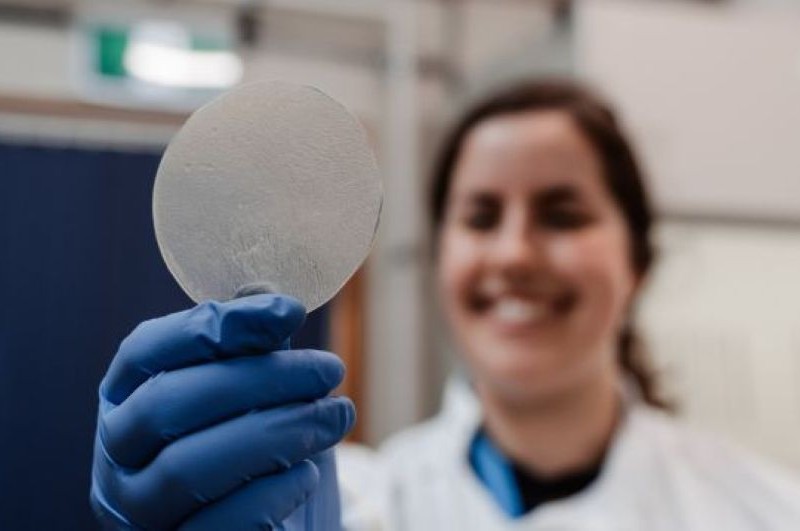
December 2025: Lincoln Agritech's New Materials team has developed a breakthrough bioplastic that could replace single-use plastics in healthcare.
While working on a process for developing cellulose fibres, Lincoln Agritech Research Assistant Erica Sue-Tang had an idea.
"While I was working with the team on cellulose fibres, it sparked a thought, what if we could take it further and create a new cellulose-based plastic?"
That question led to a material that shows promising strength compared to common bioplastics and could offer an alternative to conventional plastics, without the environmental and health risks.
Hospitals and home healthcare rely on millions of single-use plastic items like ostomy bags, glucose sensors and dialysis tubing. These plastics don't break down and can shed microplastics, even during and after sterilisation.
Those particles may enter the human body, and while research is still emerging, early signs point to potentially serious health risks.
Erica pitched the concept of bioplastics at Falling Walls Lab, a global competition for world-changing ideas, where her presentation reached the national finals earlier this year in Wellington. Photo: Lincoln Agritech.

Gillies McIndoe expands access to translational research services
December 2025: Researchers, biotech teams, and academic innovators can now accelerate early-stage discovery through the Gillies McIndoe Research Institute's Translational Research Services in Newtown, Wellington.
Designed to support translational and preclinical research, the services provide external teams with access to advanced infrastructure, specialist expertise, and high-quality patient-derived samples - resources that are often difficult for small research groups or startups to secure.
The institute houses a pathology-grade histology suite, including a Leica Bond RX automated research stainer, supporting H&E, IHC, FISH, ISH, and Nanostring spatial transcriptomics. Services are available on a fee-for-service or collaborative basis.
Complementing this capability is Gillies McIndoe's extensive tissue and cell bank, which includes FFPE blocks, frozen tissue, serum, plasma, and patient-derived cell lines.
Drug development teams can access a range of cell-based assays, including 3D tumour sphere growth, angiogenesis, fibrosis, and wound-healing models, supporting early efficacy testing and proof-of-concept studies.
Photo: Testalize.me, UnSplash.
MRINZ: Study reveals multi-billion-dollar cost of endometriosis & chronic pelvic pain in NZ
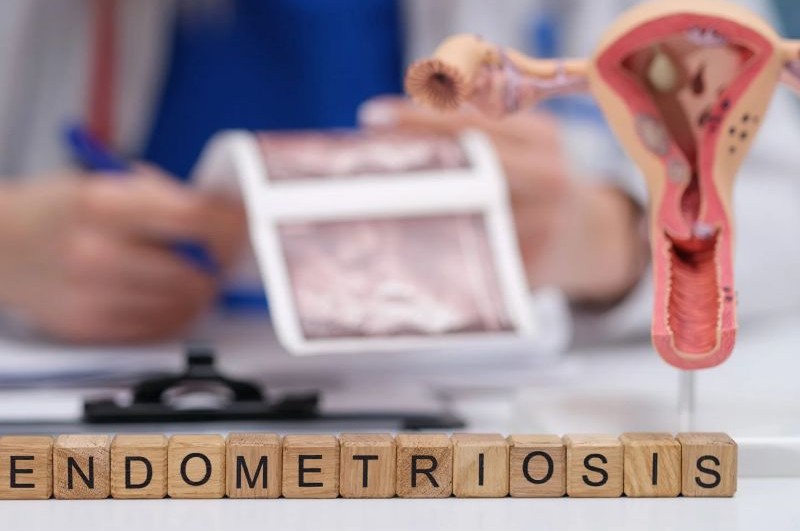
December 2025: A milestone study led by the Medical Research Institute of New Zealand (MRINZ) has revealed that endometriosis and chronic pelvic pain impose an annual economic burden of more than $22 billion on Aotearoa New Zealand - placing these conditions among the country's most significant public health issues.
Published this month in MDPI Women, this is New Zealand's first national cost-of-illness analysis for endometriosis and chronic pelvic pain. Using the World Endometriosis Research Foundation (WERF) EndoCost tool and updated health economic methodology, the study drew on detailed patient-reported outcomes, health service use, and productivity data from more than 120,000 New Zealanders affected - including women, girls, and people assigned female at birth.
Dr Jordan Tewhaiti-Smith, MRINZ Research Fellow and Registrar in Obstetrics and Gynaecology, led the work. He says the findings make clear the scale and urgency of the issue.
"Our findings reveal decades of accumulated loss for those living with endometriosis and chronic pelvic pain."
Photo: MRINZ.
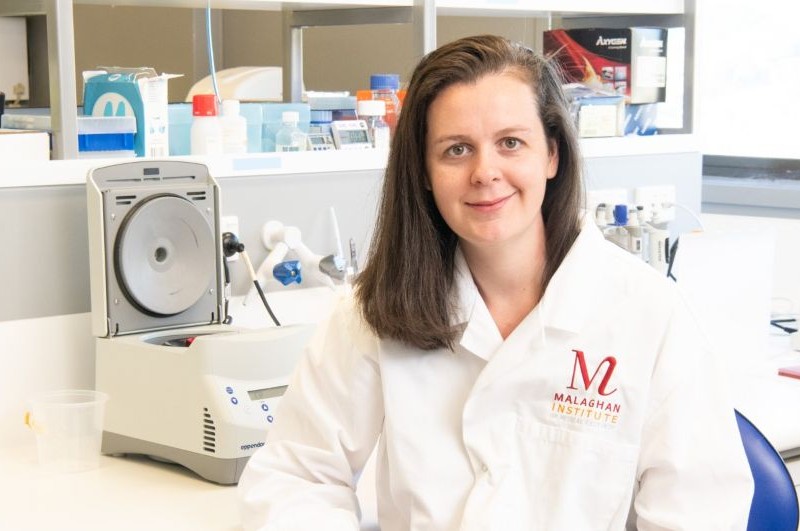
Malaghan: Research explores nasal vaccines
December 2025: Research from the Malaghan Institute has found that a type of immune cell resident in the nose may be key to designing more effective vaccines for respiratory infections.
"Your nose has a specialised immune tissue that helps your body stop viruses before they spread," says postdoctoral researcher Dr Isabelle Montgomerie, who led this research recently published in Mucosal Immunology.
"In this research we found that a type of immune cell called an NKT-cell that lives in the nasal associated lymphoid tissue gives extra help there, letting the body make stronger antibodies than usual. This finding could be a key in designing better nasal vaccines that stop infections from gaining a foothold in the nose, throat, or lung."
When launching an immune response to a foreign invader, T-cells and B-cells work together to generate protective antibodies specific to the threat they're facing. Activated B-cells enter germinal centres, a nexus hub of immune cells that create and coordinate antibodies to microscopic threats like viruses and bacteria.
When fighting a virus or bacteria, if this process happens at the site of infection it can shorten the window infections have to wreak havoc.
Dr Isabelle Montgomerie. Photo: Malaghan Institute of Medical Research.

RNZ: BRANZ experts explain how to keep cool
December 2025: BRANZ ventilation experts Stephen McNeil and Dr Manfred Plagmann were recently interviewed by Jogai Bhatt at Radio New Zealand. They have a few tips on how to cool down this summer.
"The fundamental issue is really solar gain, it's the sun coming in through your windows that's the main reason your building's getting too hot," says Stephen. Managing how a home is operated throughout the day can make a significant difference.
Both experts recommend opening windows when the outdoor air is cooler, especially in the evenings. Bedrooms are often the hardest places to keep comfortable overnight, though security and insects can complicate leaving windows open.
Simple techniques, such as placing a wet towel over a fan, can help - provided the air isn't too humid. "...it's an effective one, and it's more or less free," says Manfred.
External shading, ceiling fans, and even a cold compress on pulse points can also offer relief. As Stephen notes, it's all about the evaporation of sweat. That's why sleeping with one leg out of the covers works.
"Your leg's quite a big muscle group, so that's quite a lot of mass that's exposed to the cool air... really it should be both legs out of the covers."
Photo: Polina Kovaleva, Pexels.

MRINZ-led Mega-ROX trial world's largest ICU study
December 2025: The Medical Research Institute of New Zealand (MRINZ) recently announced a major milestone for the Mega-ROX trial, led by Professor Paul Young and the MRINZ Critical Care team. The trial has now reached 40,000 participants, making it the world's largest study in intensive care.
Mega-ROX is exploring how different oxygen therapy strategies affect critically ill patients who require unplanned mechanical ventilation. The trial compares conservative oxygen therapy, with lower oxygen targets, against liberal oxygen therapy, with higher oxygen delivery. It also includes nested sub-studies for patients with sepsis, acute brain injuries, and patients who are unconscious after a cardiac arrest, helping clinicians worldwide understand which approach to oxygen therapy works best for different people.
The main focus of the trial is in-hospital mortality, while secondary outcomes look at how long patients spend on ventilators, their stay in ICU and hospital, and whether they return home. By involving tens of thousands of patients across the globe, the trial is helping shape ICU care worldwide, providing evidence to guide safer, more effective oxygen therapy for critically ill patients everywhere.
Photo: MRINZ
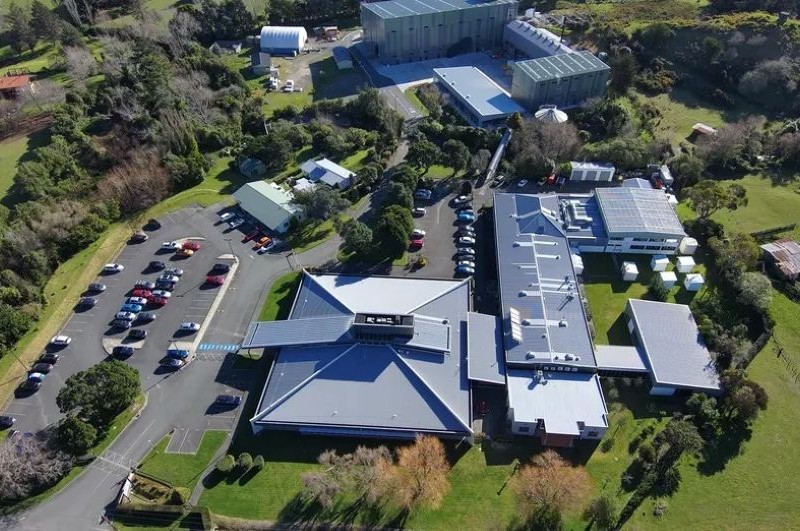
BRANZ responds to proposed changes to Building Research Levy Act
December 2025: Cabinet's proposal to repeal the Building Research Levy Act represents a major shift for New Zealand's building and construction sector.
BRANZ has welcomed the Government's goal of modernising building research funding, noting that "greater clarity on levy collection is needed." At the same time, the organisation has raised concerns about potential impacts on long-term, independent research.
The proposed move to contestable funding is seen as positive, with BRANZ already investing millions annually in contestable research aligned with industry priorities, guided by its Research Investment Advisory Group to ensure sector-led decisions.
However, BRANZ cautions that core research capability must be maintained. "It will be essential to keep a level of stable, sector-led investment to maintain and build the core research capability that has been built up in New Zealand over almost 60 years," the organisation states.
The Building Research Levy Act has historically addressed market failures, funding independent research that improves safety, warmth, and affordability in housing.
Photo: BRANZ
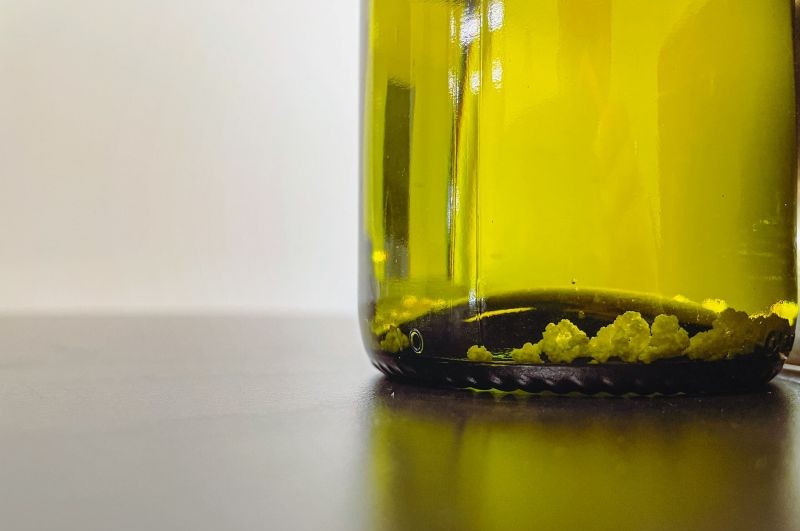
Bragato: Predicting the formation of calcium tartrate crystals in wine
December 2025: A three-year research project sponsored by Bragato Research Institute (BRI) and carried out in partnership with the University of Canterbury is helping winemakers better manage calcium tartrate, an undesirable crystal that can appear in bottled wine. Although harmless, the crystals are often mistaken for glass and can negatively affect consumer perception. With no routine test available, predicting which wines are at risk has been difficult.
While no single factor can be used to predict the likelihood of calcium tartrate precipitation, as they all interact and affect each other, the researchers Jack Muir and Ken Morison were able to develop a practical mathematical model to forecast the likelihood of calcium tartrate formation, as low-, medium-, or high-risk, based on wine chemistry. The model was adapted from earlier work in dairy, then refined and validated using a wide range of mostly New Zealand white wines. A simplified version was created, requiring only a small number of easily measured inputs, including calcium, tartaric and malic acids, ethanol, and pH, making it more practical for wineries.
BRI has now made the model publicly accessible through an online app, allowing winemakers to assess risk and decide whether preventative treatments are needed before bottling.
Photo: Bragato Research Institute

Motu: Over half a billion dollars of KiwiSaver lent to "high alert" Governments
November 2025: Groundbreaking new research from Motu Research has revealed more than half a billion dollars of KiwiSaver and other retail investments were lent to Governments on "high alert" for human rights violations.
The findings shine a light on a hidden corner of ethical investing — government bonds.
"People deserve to know what their money is supporting," said Motu Affiliate Anne-Marie Brook. "Until now, investors and fund managers have focused on the ethical dimension of other types of investments - especially shares in companies, while sovereign bonds have escaped such scrutiny."
The research shows that if fund managers applied consistent human rights checks across all investments, Aotearoa could build a fairer and more sustainable financial system. The report says there is real potential for new products that direct investment toward countries with stronger human rights records - giving investors confidence their savings support a fairer world.
More than two-thirds of the high-alert investments came from funds certified by the Responsible Investment Association Australasia (RIAA).
Photo: Christian Dubovan, Unsplash
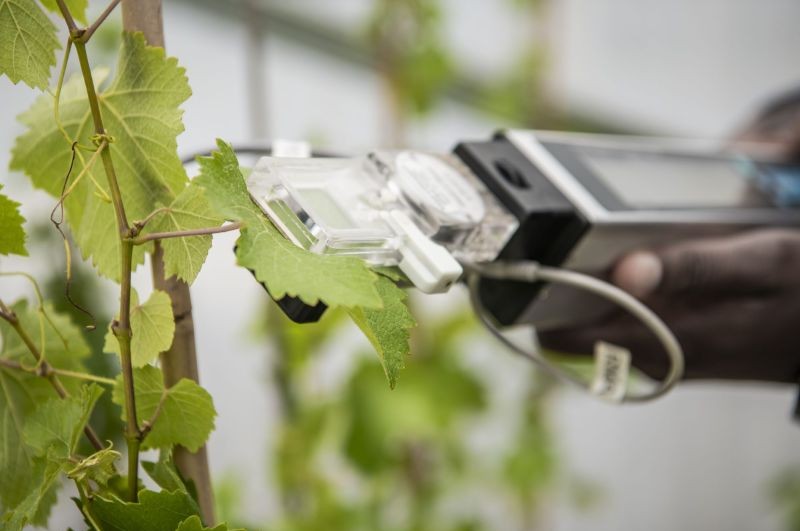
Bragato: The science behind Sauvignon Blanc 2.0
November 2025: The Sauvignon Blanc Grapevine Improvement programme (SB2.0), launched in 2021, is advancing efforts to develop new Sauvignon blanc clones that can help the New Zealand wine industry adapt to a changing climate and evolving environmental pressures. Since its inception, Bragato Research Institute (BRI) has expanded the capability of its Grapevine Improvement team and established a specialised molecular laboratory to investigate the genetic differences between grapevine varieties and unique clones of New Zealand's flagship variety.
A major milestone was reached in 2024 with the planting of a new vineyard at Lincoln University, containing 6,000 unique Sauvignon blanc clones. A further 4,000 will be added in 2025. These clones were generated by leveraging the grapevine's natural ability to adapt, creating random genetic variation through controlled stress treatments. No foreign genetic material is introduced, meaning the vines are non-GMO.
Over the coming years, BRI will screen the 10,000 plants for key industry traits, including disease resistance, yield, drought tolerance, water-use efficiency, and frost tolerance, using high-throughput technologies to accelerate the search.
Photo: Bragato Research Institute
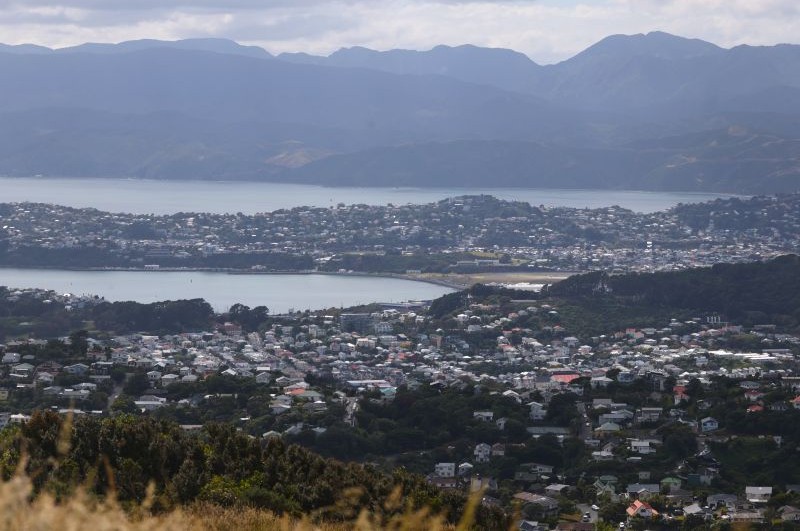
Motu: Marsden grant for making the most of cities and towns
November 2025: Motu Economic and Public Policy Research been awarded a prestigious Marsden Fund Fast Start grant for research into what helps our urban centres grow and thrive.
Senior Fellow Stuart Donovan will be the Principal Investigator for this research, working alongside Motu's Dave Maré and Arthur Grimes, as well as Ryan Greenaway-McGrevy (University of Auckland).
The team will do detailed research of the benefits and costs that arise when people and organisations locate closely together, helping to identify the kinds of urban environments that best support people's productivity and wellbeing.
About 87% of New Zealanders live in urban areas. While most urban areas in Aotearoa are growing, some have struggled and declined, raising key questions: What sort of urban environments best support productivity and wellbeing? And can we improve urban outcomes in places that have been facing challenges?
The team will use census data and advanced statistical methods to explore how broad socioeconomic conditions, such as social trust and crime levels, influence urban economic outcomes across Aotearoa.
Wellington from the wind turbine. Photo: Louise Thomas.
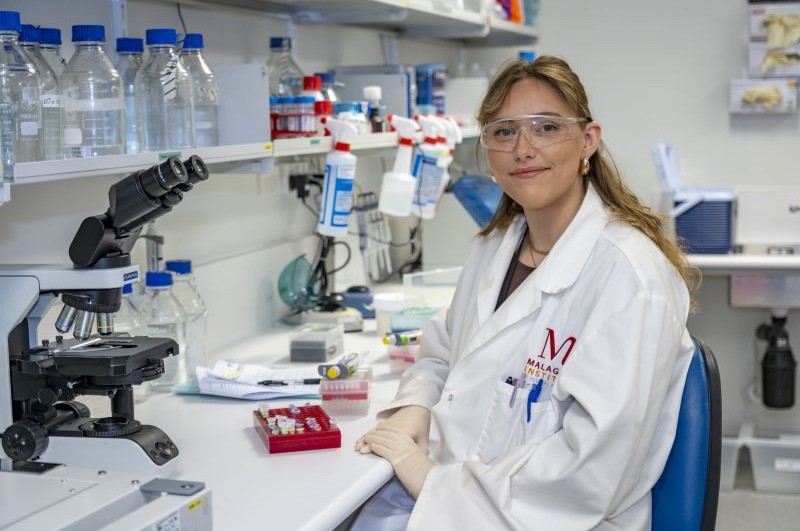
Malaghan: Tracking the journey of the shapeshifting bacteria behind stomach cancer
November 2025: Georgina Wheller, a research officer in Dr Tom Mules' Lab at the Malaghan Institute, is contributing to vital research tackling one of the world's most urgent health challenges: antimicrobial resistance.
"Antimicrobial resistance isn't just a distant problem - it's here in Aotearoa," says Georgina.
Her research focuses on Helicobacter pylori, a stomach cancer causing bacteria that is becoming increasingly resistant to antibiotics. H. pylori is a master shapeshifter. In its ideal environment - the stomach - it's a spiral-shaped bacterium. But when exposed to stressors such as antibiotics, it can morph into other forms, a survival tactic that helps it evade antibiotics.
This allows H. pylori to hide in the stomach, quietly causing inflammation and increasing the risk of mutations. This slow, invisible attack can eventually lead to stomach cancer. The growing resistance of H. pylori to antibiotics poses a significant challenge to both treatment and prevention.
"Around the world, antibiotic resistance rates are climbing and so are stomach cancer rates," explains Georgina.
Georgina Wheller. Photo: Malaghan Institute of Medical Research.

HERA seeks new Chief Executive Officer
November 2025: HERA is entering an exciting new chapter as it begins the search for its next Chief Executive, following the departure of Dr Troy Coyle. Under Dr Coyle's leadership, HERA has undergone a period of transformational growth, strengthened its culture, and expanded its strategic focus. Widely regarded for her vision, energy and commitment to industry impact, she leaves the organisation in an exceptional position for her successor.
HERA now stands on a strong financial foundation with diversified income streams, an expanding portfolio in AI, Construction 4.0, automation, robotics, seismic and structural fire engineering, and a deep commitment to sustainability and innovation. Its international collaborations, growing team of experts, and the upcoming Industry x.0 Innovation Centre further reinforce its future-ready direction.
The incoming Chief Executive will lead a high-performing organisation with a clear strategic mandate, strong stakeholder support, and significant opportunities to influence the future of New Zealand's heavy engineering sector. HERA encourages applications from leaders ready to guide an organisation already accelerating into its next era.
Outgoing CEO, Dr Troy Coyle, is leaving HERA in an exceptional position. HERA has experienced growth, while forging a clear, future-focused path for the heavy engineering research industry. Photo: HERA.
Cawthron scientists awarded Marsden Fund grants to reveal hidden ecological stories
November 2025: Two researchers at Cawthron have been awarded Marsden grants, recognising their groundbreaking work to understand how aquatic ecosystems evolve, adapt, and recover.
Dr Laura Biessy and her collaborators will investigate how naturally occurring toxins influence predator-prey relationships in the marine environment. Her project, An evolutionary arms race: understanding the costs and benefits of toxin accumulation in kaimoana, explores whether pipi use the potent neurotoxin tetrodotoxin (TTX) as a defence against snapper. The research will shed new light on how chemical defences shape evolution and what this means for species health, reproduction, and resilience.
Dr Georgia Thomson-Laing's project, The ecological legacy of extinction in freshwater ecosystems, uses cutting-edge environmental DNA (eDNA) analysis to uncover how the extinction of the native grayling (upokororo) reshaped Aotearoa's freshwater systems. By analysing DNA preserved in lake sediments, Georgia (and associate investigator Dr Finnbar Lee) will aim to reconstruct ecological change over the past 150 years and reveal how the loss of this unique fish altered biodiversity and ecosystem function.
Dr Georgia Thomson-Laing. Photo: Cawthron Institute.
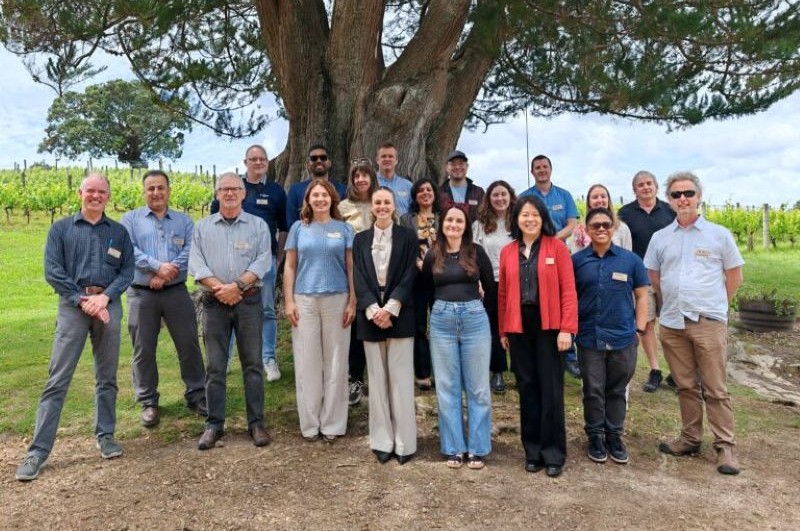
Bragato: Researchers unlock high-value potential in grape marc
November 2025: A major five-year research programme, led by Professor Paul Kilmartin (University of Auckland) and Dr Tripti Singh (Scion - Bioeconomy Science Institute), is exploring how to transform grape marc - one of the wine industry's largest waste streams - into high-value products. Backed by $9.8 million from the MBIE Endeavour Fund, the Waste to Treasure programme is developing novel chemical processes to recover protein, phosphorus, lignin, cellulose, anthocyanins and tannins from this underutilised resource.
The programme has grown to include two Research Fellows and nine PhD students across partner institutions, supported by wide-ranging national and international collaborators. A Stakeholder Advisory Group provides industry input, with Bragato Research Institute represented by Sustainability Research Leader Dr Seth Laurenson. BRI contributes expertise and helps connect the programme with the New Zealand wine industry.
Early research has focused on optimising extraction technologies and characterising grape marc from different regions. Work is structured into three areas: speciality chemicals, polyphenol-based products, and functionalised grape marc paper.
The Waste to Treasure research team and Stakeholder Advisory Group. Photo: Bragato Research Institute.
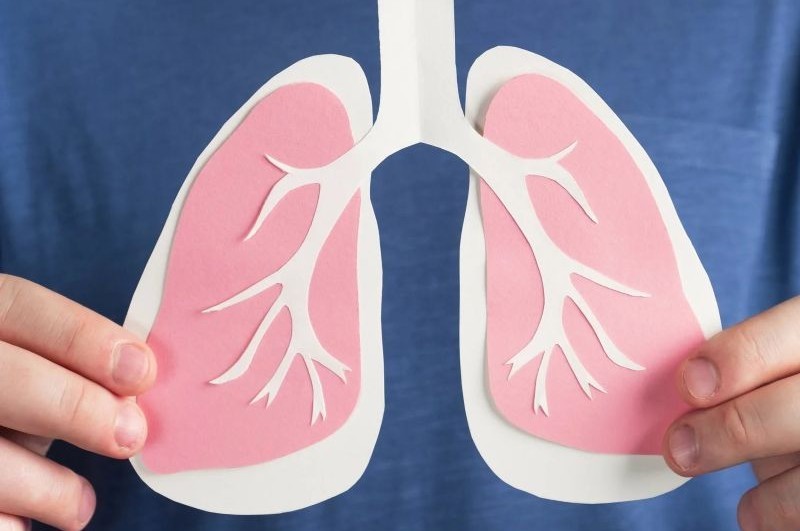
MRINZ: Asthma Stepwise approach reduces steroid use, improves control
November 2025: A new study led by the MRINZ has found that adults with asthma can safely simplify their treatment, reduce their exposure to steroids, and improve asthma control using a structured, stepwise Anti-Inflammatory Reliever (AIR) Algorithm.
The findings, published in The Lancet's eClinicalMedicine, come from the Anti-Inflammatory Reliever Algorithm trial - a 52-week open-label study involving 100 adults aged 18-75 years with mild, moderate, or severe asthma.
Participants began treatment with a combination 2-in-1 budesonide–formoterol inhaler, starting at one of three treatment steps according to the severity of their asthma. They then followed a practical stepwise algorithm, adjusting their treatment up or down in response to reliever use and asthma attacks. During the first half of the study, participants were guided by doctors; in the second half, they made these adjustments themselves.
The stepwise approach resulted in a clinically important increase in patient satisfaction. By week 52, 60% of participants had transitioned to the lowest treatment step, using budesonide-formoterol solely as needed, compared with 25% who started the trial at this step.
Photo: MRINZ.
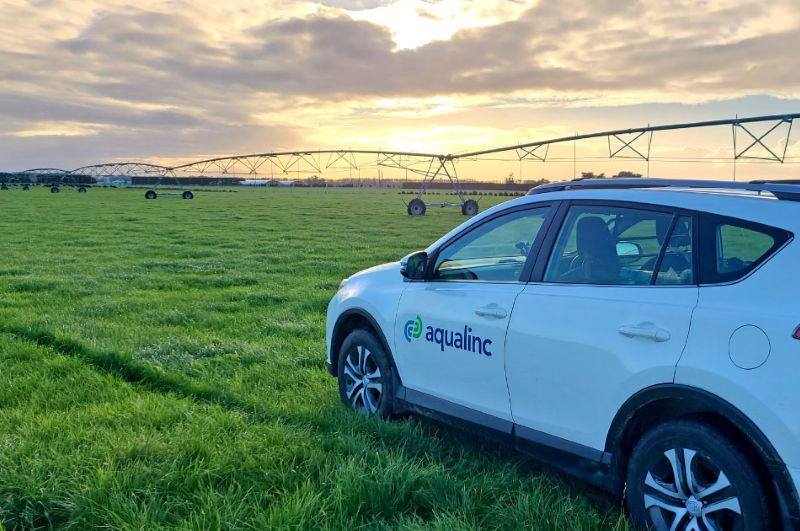
Aqualinc: Aquifers well recharged
November 2025: After low groundwater levels at the start of the last irrigation season, Canterbury's groundwater systems have bounced back strongly for the start of the 2025-26 season.
Groundwater levels prior to the start of this irrigation season in mid-Canterbury (1 September 2025) were among the highest observed over the past 20 years, based on various ECan monitoring bores of depths typically used for irrigation. This marks an impressive rebound from the low winter and summer groundwater levels of 2024.
These current high-water levels are thanks to a significant amount of aquifer recharge that has occurred over the previous autumn and early winter, including the effect of the rainfall event that caused widespread flooding in the Selwyn District in early May. Aquifer recharge is the process by which rainfall on the land surface and river seepage replenish groundwater stored in the underlying aquifers. Across the Canterbury Plains, recharge is largely driven by rainfall and alpine river flows from preceding seasons. Monthly rainfall totals during the 2024-25 summer and autumn were well above average, providing a major boost to groundwater storage going into this irrigation season. The higher summer rainfall meant that abstraction was lower, and the winter recovery of groundwater levels started from a higher baseline.
Photo: Aqualinc.
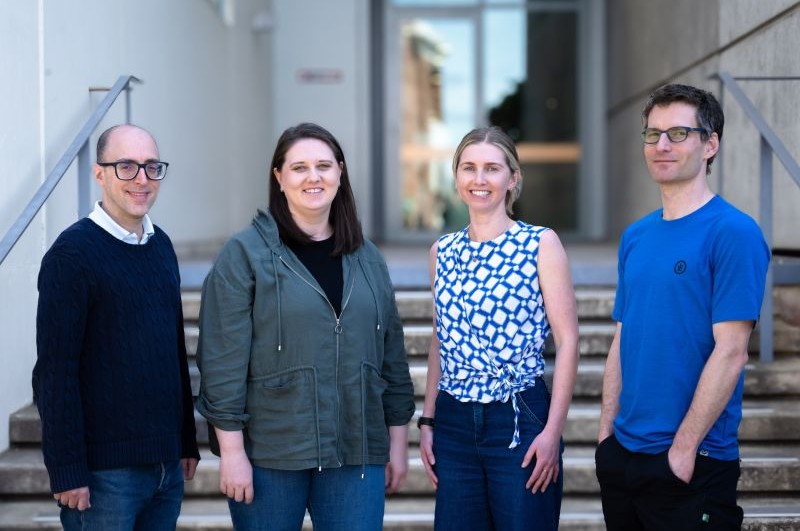
Marsden funding to fuel Malaghan discoveries in cancer, allergy, and infectious disease
November 2025: The Malaghan Institute has secured four prestigious Marsden Fund grants worth more than $2.6 million over three years to advance innovative biomedical research. The projects span enhancing CAR T-cell therapies for solid tumours, reprogramming allergic immune responses, uncovering protective microbes in the lung, and developing a therapeutic mRNA vaccine for liver cancer.
Director Professor Kjesten Wiig says the awards highlight both the calibre of Malaghan's scientists and the importance of blue-sky research in driving medical breakthroughs.
"Blue-sky research is vital for an independent biomedical institute like ours - it fuels the discoveries that will eventually become real-world treatments with sustained investment."
The funded projects, led by Drs David O'Sullivan, Olivier Lamiable, Kerry Hilligan, and Olivia Burn, will explore new frontiers in cancer immunotherapy, allergy treatment, and infectious disease prevention - reinforcing Malaghan's commitment to pioneering research that improves human health.
From left: Dr Olivier Lamiable, Dr Kerry Hilligan, Dr Olivia Burn, Dr David O'Sullivan. Photo: Malaghan.
Cawthron: New national database to map seagrass flowering
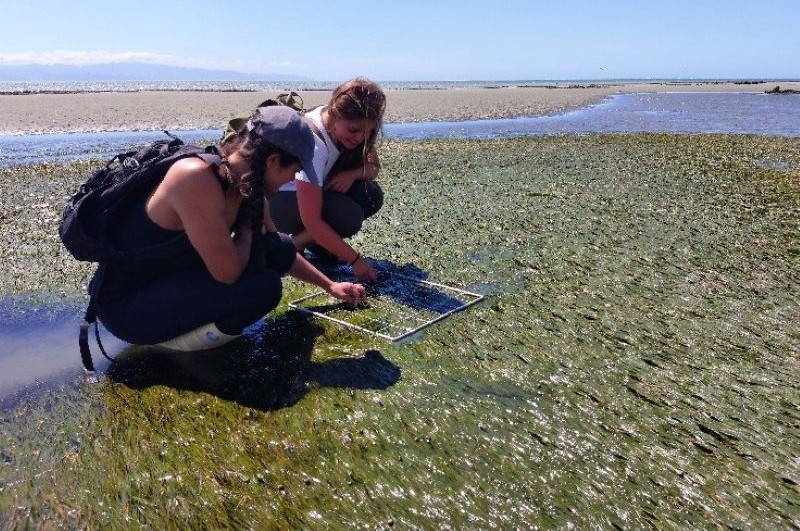
November 2025: Cawthron scientists are working alongside communities to restore one of Aotearoa New Zealand's most valuable, but often overlooked, coastal habitats: seagrass meadows. To advance this work, Cawthron has launched a new national database and mobile app that empowers communities to collect and share flowering data to support seagrass restoration efforts.
"Restore the Meadows" is a multi-year research programme that aims to pioneer seagrass restoration techniques for Aotearoa New Zealand. Seagrass is a marine flowering plant that forms vast underwater meadows in estuaries and harbours. These meadows are biodiversity hotspots, natural water purifiers, and important carbon stores that help combat climate change.
"Seagrass meadows are an essential part of healthy coastal ecosystems," says programme co-leader Dr Dana Clark. "They filter water, stabilise sediment, and provide habitat for fish and shellfish. When we protect and restore them, we're protecting the foundation of our coastal food webs and the communities that depend on them."
The programme's goal is to make seagrass restoration accessible to all communities.
Members of the "Restore the Meadows" team surveying seagrass meadows. Photo: Cawthron.

Connections 56 eNewsletter out now
November 2025: Another bumper issue of the IRANZ newsletter is out now. It's chock full of the latest independent science research news from around Aotearoa New Zealand.
MRINZ: Study finds 2-in-1 inhaler almost halves childhood asthma attacks
Malaghan: Wearable devices to improve blood cancer patient monitoring
Public housing can support bright futures for children, Motu study shows
Mackie Research carries out in-depth analysis of road fatalities
WSP and HCF urge future-proofing infrastructure for ageing population
Gillies McIndoe students at international neuro-oncology meeting
Estendart Research commits to openness in animal research
DigiLab: Listening for mohua in Makarora
Dragonfly Data Science ensures fair play for Bird of the Year
Bragato Research Institute trials UV-C light as alternative to fungicides
Lincoln Agritech tech powers community-led water monitoring
. . . And much more.
BRANZ's new Fire Laboratory - a research facility in Judgeford, Porirua which puts flooring and cladding materials to the ultimate test. Photo: BRANZ.
IRANZ October news briefs
October 2025: Follow the link for more details on the October 2025 news briefs from our Independent Research Organisations.
- WSP: Ageing population focus of Parliament breakfast event
- Aqualinc: Experts selected for Taumata Arowai panel
- Motu: Stuart Donovan appointed to Infrastructure Priorities Programme independent review panel
- 2025 Mātai Public Symposium: Back to the Image of the Future
- Malaghan: New funding supports cutting-edge research into immune cell metabolism
- BRANZ: Seismic resilience when retrofitting homes
- Student collaboration celebrated at Cawthron Scitec Expo 2025 prizegiving
- HERA: The critical role of protective coatings and inspection in steel structures
- MRINZ: Te Wiki o Te Reo Māori 2025
- ...and much more.
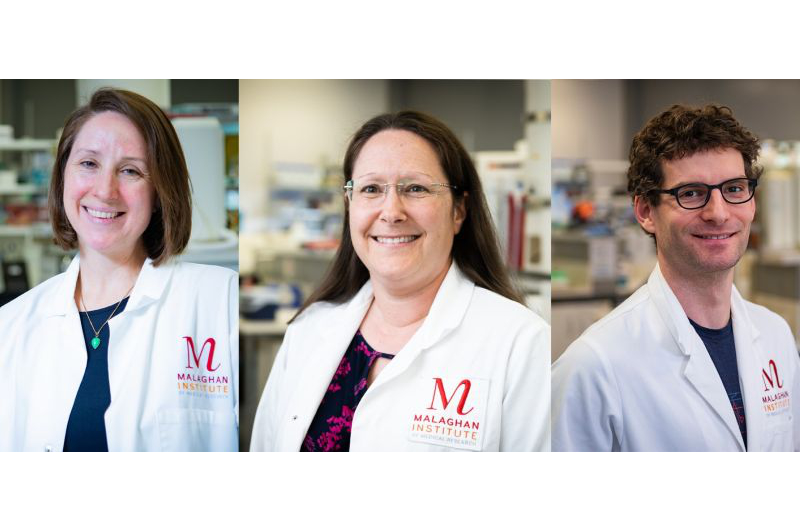
Researchers at the Malaghan Institute, led by Dr Michelle Linterman, have been awarded a Catalyst Seeding grant from Royal Society Te Apārangi to investigate how metabolism shapes the way immune cells work. From left: Dr Michelle Linterman, Dr Rachel Perret, Dr David O'Sullivan. Photo montage: Malaghan Institute of Medical Research.

DigiLab: Listening for mohua in Makarora
October 2025: DigiLab researchers Drs Laura Molles and Carol Bedoya are developing advanced acoustic tools to monitor mohua (also known as yellowhead, Mohoua ochrocephala) populations in the Makarora area. Working with Southern Lakes Sanctuary staff, the team has combined colour-banding, field recordings, and automated acoustic data to track these rare native birds.
Their newly developed algorithm can detect three types of mohua vocalisations - "chatter", "melodic songs", and "trilly songs" - with high precision, providing valuable insights into breeding activity. A secondary algorithm has identified that songs containing an extra trill may be associated with females, offering a potential clue to nesting behaviour.
While early tests of an individual-recognition algorithm achieved up to 97 percent accuracy for one bird, further recordings are needed to strengthen results. The researchers aim to refine these tools to monitor mohua presence, breeding, and survival across multiple seasons - laying the groundwork for large-scale, non-invasive conservation monitoring of multiple species. The team's findings are outlined in a recently published report, Mohua Acoustic Analysis: Algorithm Development and Exploratory Work.
Mohua / yellowhead (Mohoua ochrocephala). Photo: Louise Thomas.
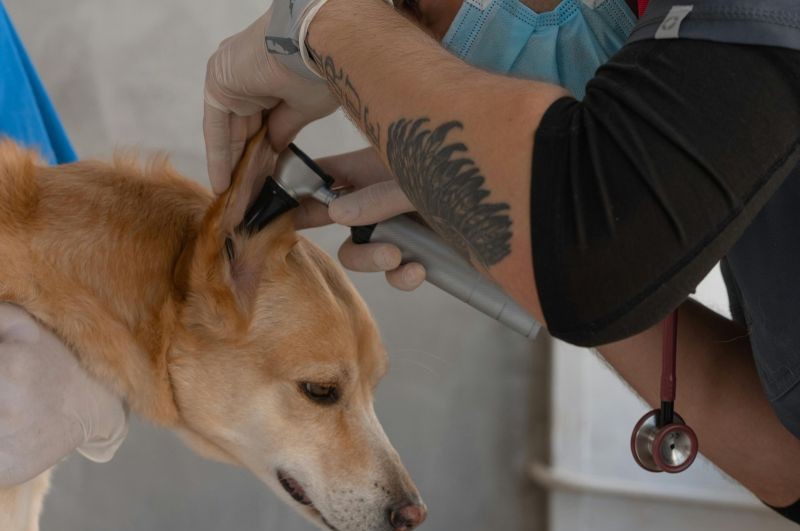
Estendart Research commits to openness in animal research
October 2025: Estendart Research Ltd (ERL) has taken a major step toward greater transparency in science by signing ANZCCART's Openness in Animal Research Agreement. The move reinforces the company's long-standing commitment to ethical research and animal welfare.
"For us, openness isn't just a policy, it's part of who we are," says Dr Shirli Notcovich, ERL's Research Leader. "We believe the public deserves to understand how and why animals are used in research, and the care taken to ensure their wellbeing."
As a private Contract Research Organisation, ERL is not required by law to disclose details of its animal research. However, Dr Notcovich says transparency builds public trust and helps people appreciate the crucial role animals play in advancing both human and veterinary medicine.
By joining the ANZCCART-led initiative, supported by Understanding Animal Research Oceania, ERL stands alongside other research institutions across New Zealand and Australia committed to openness, education, and accountability.
"Transparency strengthens science - and the public's confidence in it," says Dr Notcovich.
Photo: Mikhail Nilov, Pexels.

Mackie Research carries out in-depth analysis of road fatalities
October 2025: Mackie Research is carrying out a Safe System in-depth analysis of 200 road fatalities to better understand the key determinants of road trauma in New Zealand. Funded by the AA Research Foundation, the study builds on analysis methods used in earlier investigations of fatal and serious crashes, work-related road safety, and pedestrian crashes.
Road fatalities are rarely caused by a single factor. Instead, they often involve a combination of elements such as driver error or distraction, excessive speed, fatigue, alcohol or drug impairment, poor road design, and vehicle safety limitations. Environmental conditions like weather and visibility can also play a role.
By analysing these factors in detail, Mackie Research aims to identify patterns and system weaknesses that contribute to fatal outcomes. The findings will help ensure a stronger connection between what is known about crash causes and the policies, programmes, and interventions designed to prevent them. Ultimately, this work will support efforts to make New Zealand's road network safer and reduce serious harm on the roads.
Photo: Jackson Sears, UnSplash.
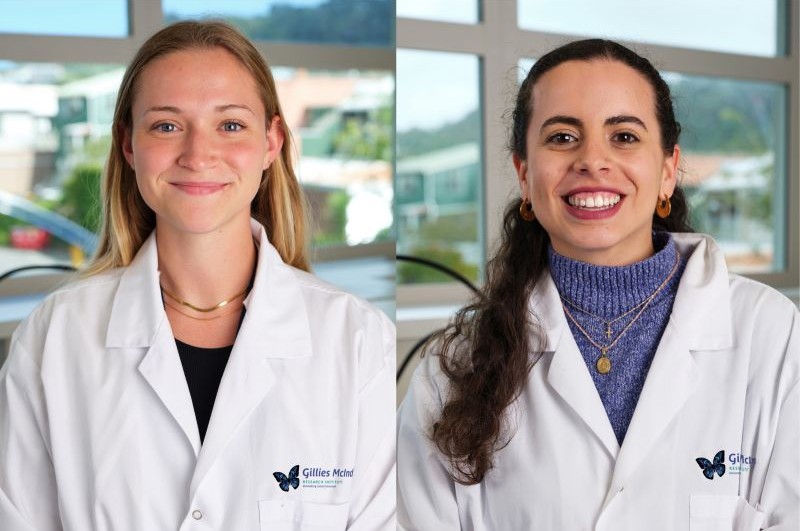
Gillies McIndoe researchers to present at international neuro-oncology meeting
October 2025: PhD students Jasmine (Jaz) White and Clara López from the Gillies McIndoe Research Institute will attend the Society for NeuroOncology Meeting in Hawaii from 19-23 November, supported by funding from Victoria University of Wellington and the University of Otago respectively.
Jaz will present a poster outlining research showing how patient-derived glioblastoma neurospheres respond differently to temozolomide and radiation treatment. Her work identifies treatment-resistant subgroups and reveals mechanisms such as metabolic reprogramming and oxidative-stress evasion, offering insights into potential biomarkers and therapeutic targets to overcome chemoradiation resistance.
Clara's poster presentation explores the hormonal and sex-specific influences on drug metabolism in patient-derived meningiomas. Her findings suggest that oestrogen and cholesterol-related pathways may drive subtype and sex differences in tumour biology.
PhD students Jasmine (Jaz) White, left, and Clara López. Photo montage: Gillies McIndoe.
Follow the link for more about studying at Gillies McIndoe.
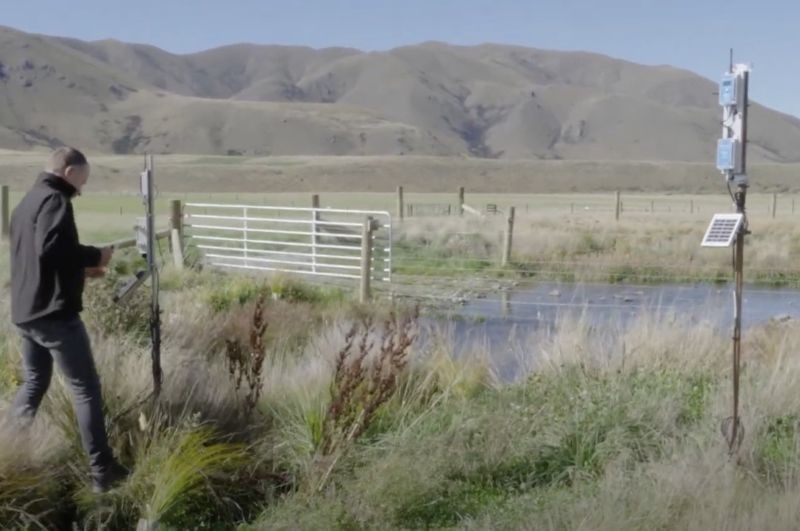
Lincoln Agritech tech powers community-led water monitoring
October 2025: Farmers across Mid Canterbury are taking water quality into their own hands, using real-time nitrate sensors to better understand and protect local waterways.
Since 2022, the Mid Canterbury Catchment Collective, made up of volunteer groups and funders, have been testing water regularly using portable and installed nitrate meters that deliver instant results.
The sensor technology, developed by Lincoln Agritech with spin-out company HydroMetrics, offers continuous, in situ monitoring, giving farmers a clearer picture of what's happening in their streams, drains, and springs.
Traditionally, nitrate levels were measured through monthly grab samples at a lab, which only gave a very limited snapshot says Lincoln Agritech Group Manager of Green Futures, Dr Dave Rankin.
"You'd typically get one data point a month, which isn't enough to understand what's really going on. We developed an optical technique that delivers real-time, continuous nitrate readings directly in the water so farmers can respond to changes as they happen."
The sensors have helped farmers establish nitrate baselines, monitor seasonal changes, and assess the impact of mitigations such as riparian planting. Photo: Lincoln Agritech.

WSP & HCF urge future-proofing infrastructure for ageing population
October 2025: A new research report released by WSP and the Helen Clark Foundation calls for urgent, coordinated action to prepare infrastructure, housing, healthcare, and social services for a future where as many as one in three New Zealanders may be aged 65 or older.
The report, authored by WSP Fellow Kali Mercier, highlights both the promise and the pressure of Aotearoa New Zealand's rapidly ageing population.
"Population ageing is one of the country's most significant challenges, but it's also a huge opportunity," says Kali. "With the right planning and investment, we can ensure older people live well - and that we are building communities that work better for everyone."
The report - called Age-proofing Aotearoa: Rethinking our infrastructure for an ageing population - finds that while older New Zealanders generally enjoy high wellbeing compared to their OECD peers, demographic change is accelerating. The 65+ population is projected to grow from 870,000 in 2024 to as many as 2.5 million by 2078.
The report calls for a coherent, long-term population and infrastructure strategy that integrates ageing into every level of planning.
Photo: WSP.

BRANZ: National carbon database is live
October 2025: New Zealand's National Embodied Carbon Data Repository, NECO2, is now freely and publicly available at www.neco2.co.nz.
Developed by CIL Masterspec using 12 years of BRANZ-verified embodied carbon data, NECO2 supports the construction sector to make informed decisions that reduce the carbon impact of buildings.
Mark Jones, General Manager Research at BRANZ, says the construction sector is committed to creating more sustainable buildings, and "a lot of good work has been done over the years to collate and make available carbon data using a range of different tools. NECO2, powered by BRANZ-verified data and scientific rigour, supports the sector to take a leap forward in its approach to materials selection for a lower-impact construction sector.”
Following BRANZ's recent major embodied carbon data update, NECO2 now provides architects, designers, and engineers with access to New-Zealand specific, verified embodied carbon data on thousands of construction materials and products.
A future release of NECO2 will enable direct access for third-party tools such as carbon calculators - making the data more accessible and actionable.
Photo: BRANZ.
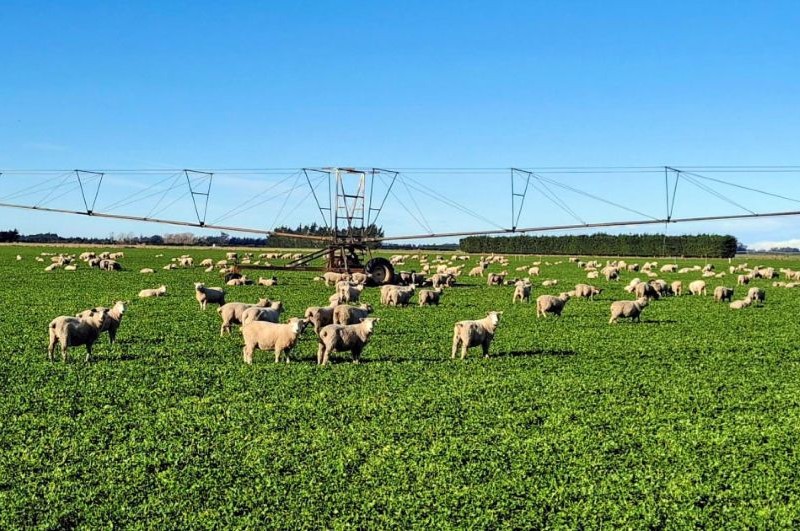
Aqualinc: Mind the gap please
October 2025: The need to more closely align resource allocation with actual use is becoming increasingly urgent.
A new project, funded by MPI through their Sustainable Food and Fibre Futures programme, with co-funding from Regional Councils and led by Aqualinc Research Ltd, with support from Irrigation New Zealand, aims to close the gap between allocated and measured irrigation water use by upgrading the science behind irrigation modelling and modernising the tools used by councils and irrigators. Through nationwide engagement, technical innovation, and robust analysis of water meter data, the project will enable smarter, fairer, and more future-focused management of irrigation demand. The initiative aims to create a nationally consistent, credible, and transparent basis for setting irrigation water use limits - one that supports both environmental integrity and rural productivity.
By modernising the IrriCalc system and developing a new database of reasonable irrigation use, the project will support better decision-making at the regional and farm level. Councils will have access to improved tools for setting limits in water use consents, and irrigators will benefit from clearer standards and efficiency gains.
Photo: Aqualinc.
HERA: Managing the risk of welding-related fire and explosions
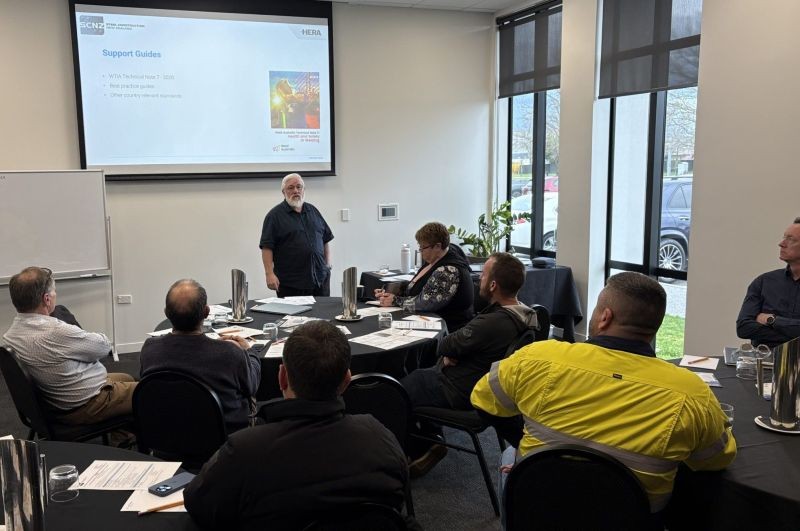
October 2025: The risk of fire and explosion during welding and thermal cutting is ever-present — a fact underscored by several recent incidents. In response, HERA Senior Welding Engineer Patrick Fenemor has announced the release of HERA: Managing the Risk of Welding Related Fire and Explosions - Best Practice Guidelines to help ensure safety across New Zealand's welding industry.
Patrick emphasises that every welding operation must follow established standards such as AS/NZS 1554.1 Structural Steel Welding, which outlines both technical requirements and essential safety procedures. While employers are legally responsible for workplace safety, the practical responsibility often lies with the welding supervisor, who must oversee all welding activities and ensure compliance with hot work permits and supervision rules under AS 1674.1.
Because welding inherently involves heat, effective risk management focuses on eliminating fuel and oxygen sources, controlling heat spread, and maintaining strict supervision. HERA's guidelines provide a vital reference for ensuring safer, more resilient welding practices across Aotearoa.
A seminar on health and safety in welding. Photo: HERA.
HERA: Setting a new standard for steel durability in Aotearoa
October 2025: Steel is central to New Zealand's construction sector — powering everything from high-rise buildings and bridges to transport and energy infrastructure. But ensuring its long-term performance requires more than strength of design. Corrosion protection, durability planning, and fire performance are critical to keeping structures safe, resilient, and cost-effective over time.
HERA have recently released the fourth revision of R4-133: New Zealand Steelwork Corrosion and Protection Guide. The updated guide offers the industry a modern, expert-led resource designed to raise the bar on best practice for steel durability and protection.
The guide — developed by Raed El-Sarraf (Structural Integrity Consultants), Willie Mandeno, and Hanieh Ghominejad (WSP) with Kaveh Andisheh (HERA) — has been refined through a nationwide consultation process. Feedback from corrosion experts, engineers, fabricators, and construction professionals was incorporated into the final version, ensuring it reflects both the latest research and the realities of the job site.
Image: HERA.
Bragato Research Institute trials UV-C light as alternative to fungicides
October 2025: The environmental and health risks of synthetic fungicides are well known — from harming biodiversity to releasing greenhouse gases through repeated vineyard applications. With fungicide use still climbing alongside vineyard expansion, finding sustainable alternatives has become increasingly urgent.
In New Zealand, vineyard area grew from 36,600 hectares in 2018 to 42,200 hectares in 2025. Over the same period, fungicide use for powdery mildew rose from 1,600 to more than 1,900 tonnes, peaking at nearly 2,000 tonnes in 2023.
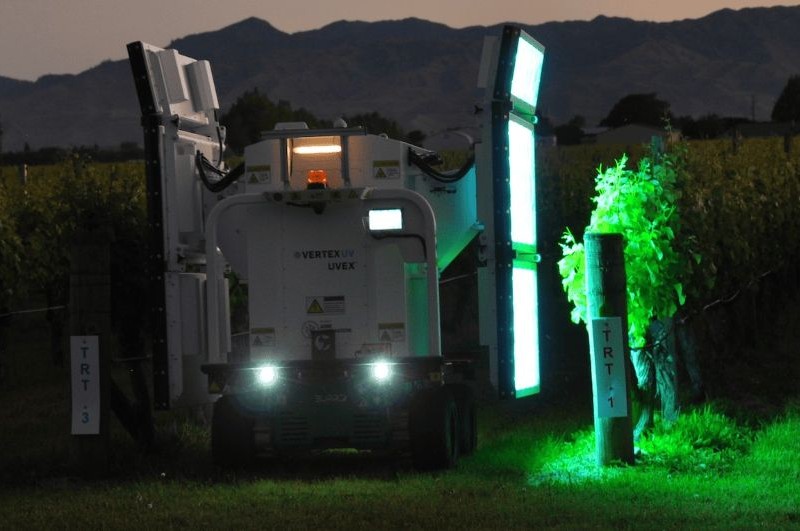
Bragato Research Institute, in partnership with A Lighter Touch (ALT), Whitehaven Wines, and Agri Automation, is now exploring UV-C light as a promising non-chemical control. UV-C works by damaging fungal DNA, preventing reproduction. Unlike conventional fungicides, it leaves no residues, poses less environmental risk, and can operate in diverse weather conditions via autonomous, electric vehicles. The project aims to assess UV-C's potential to reduce New Zealand vineyards' reliance on synthetic fungicides.
UV-C light trial in a vineyard. Photo: Bragato Research Institute.
Malaghan: Wearable devices to improve blood cancer patient monitoring
October 2025: Given the choice, few people would opt to recover in hospital if they could do so at home. Participants in Malaghan's ENABLE-2 CAR T-cell trial now have that choice thanks to promising safety results from a recent trial. Delivering safe and effective outpatient care requires having systems in place to closely monitor patients and respond quickly to any signs of concern.
To improve patient monitoring after treatment, the Malaghan's CAR T clinical team ran a pilot study, published in the International Medicine Journal, trialling two wearable temperature monitors as a way to catch side effects of blood cancer treatment - with the goal of supporting effective outpatient monitoring.
"In 'RE-TELL, a study of CAR T-cell patient and carer experiences', we found that patients really disliked the long hospital stay," says Malaghan Institute Clinical Director Professor Rob Weinkove. "It means they have to be away from home, family, and pets, and subjects them to infection risk and the hospital food! We also have hospital bed shortages nationally, so there is a pressing need to find innovative ways to safely support outpatient monitoring."
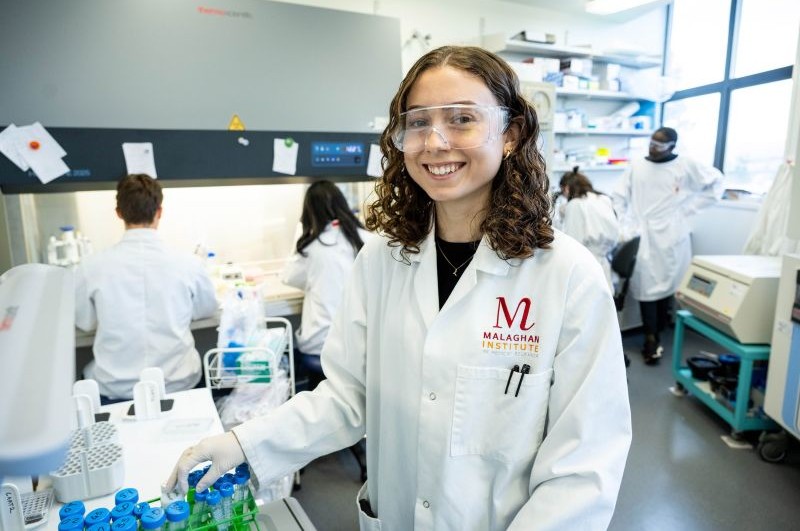
Research Officer Danielle Blud, part of the team who worked on the pilot study. Photo: Malaghan.
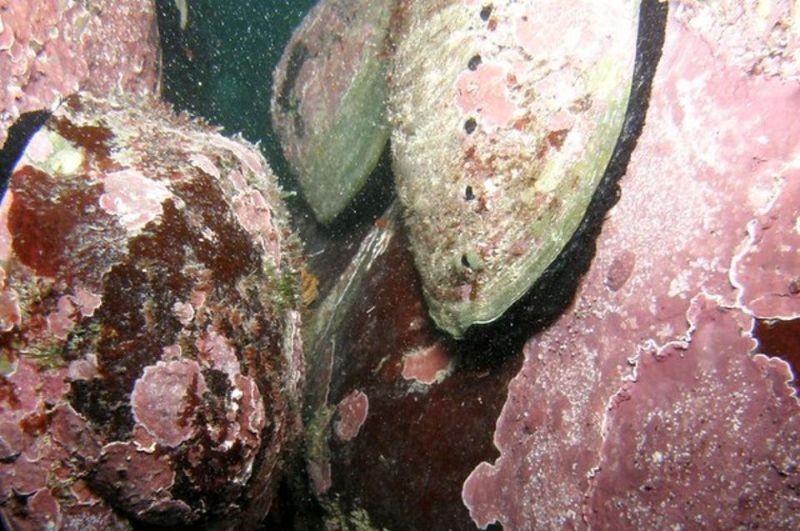
Dragonfly Data Science: Responding to change
October 2025: The New Zealand Government is proposing significant amendments to the Fisheries Act 1996 to modernise how we manage our fisheries. As fisheries science providers, Dragonfly Data Science weighed in with their thoughts through a public submission.
Dragonfly Data Science regularly works in the fisheries sector, and are strong advocates for a responsive, transparent, and science-led approach to managing fisheries in Aotearoa.
Led by Dragonfly director and fisheries scientist, Dr Philipp Neubauer, Dragonfly supports aspects of the proposed amendments to the Fisheries Act 1996, in particular the use of management procedures (MPs), which are pre-agreed, science-based rules that allow catch limits to be adjusted using regularly-updated data.
"Fisheries management needs to be responsive," says Philipp.
"If our data and technology are properly resourced, and processes are backed by solid science, we have a real opportunity to build an adaptable and robust system that keeps pace with changes as they're happening in the ocean for the benefit of all stakeholders."
Photo: Pāua, photograph CC 2.0 by Anna Barnett.
BRANZ: Laboratory sets buildings on fire (on purpose)
October 2025: Laurie Winkless, a New Zealand-based physicist and science journalist for Forbes Magazine fascinated by cities recently wrote about BRANZ's new Fire Laboratory - a research facility in Judgeford, Porirua which puts flooring and cladding materials to the ultimate test.
"Just before 1 am on 14 June 2017, a fire broke out in Grenfell Tower, a high-rise apartment block in West London. Triggered by an electrical fault in a fridge-freezer, the fire should have been a minor one; quickly containable and easily extinguished by the London Fire Brigade.
"But unbeknownst to the residents and the firefighters, there was a problem with the tower's exterior cladding. Added during refurbishments a year earlier, the cladding was made from aluminum panels filled with highly-flammable polyethylene, and backed with combustible insulation. Once the fire 'breached the window of Flat 16', it rapidly spread through the cladding, eventually engulfing the entire building with flames.
"The Grenfell Tower disaster became Britain's worst residential fire since the Second World War, causing the deaths of 72 people and injuring hundreds of others."
Photo: BRANZ.
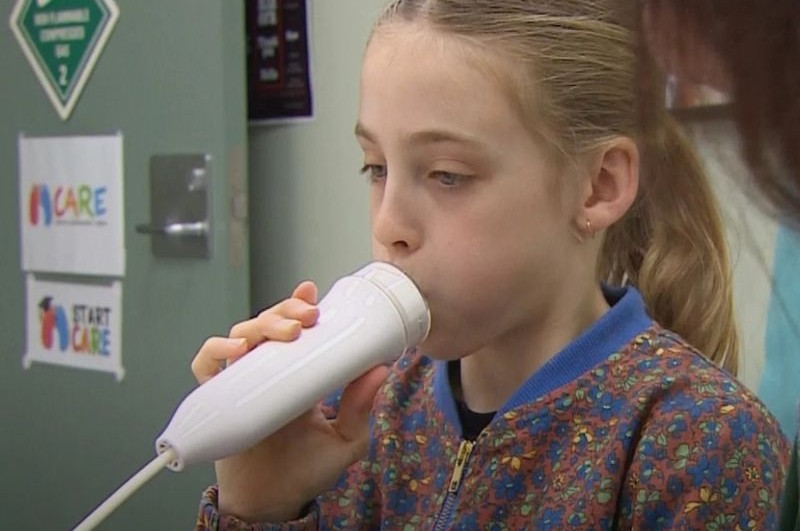
MRINZ: Study finds 2-in-1 inhaler almost halves childhood asthma attacks
September 2025: A landmark clinical trial led by the Medical Research Institute of New Zealand (MRINZ) has found that a 2-in-1 asthma inhaler can cut attacks in children by nearly half compared to salbutamol, the current global standard of care.
The findings, published on 27 September in The Lancet, come from the CARE trial (Children's Anti-inflammatory REliever) - the first randomised controlled study directly comparing the two treatments in children aged 5-15.
For decades, children with asthma have been prescribed salbutamol, a reliever inhaler that eases symptoms but does not prevent attacks. Adults, meanwhile, have followed updated global guidelines recommending budesonide-formoterol, a combined anti-inflammatory and bronchodilator inhaler, as the preferred reliever.
The CARE trial's results are striking. Children using budesonide-formoterol had a 45% reduction in asthma attacks compared with salbutamol. On average, there were 18 fewer attacks per 100 children per year when switched to the 2-in-1 inhaler. The treatment was safe, with no differences in growth, lung function, or overall asthma control.
Photo: MRINZ.

Scarlatti: The right tools for big questions
September 2025: Scarlatti Associate Finn O'Keeffe specialises in mathematical modelling and data analysis. Recently he wrote about a real example of using Integrated Data Infrastructure to answer a question that would be difficult to answer using conventional research methods.
"Some questions are just too big - or too expensive - for traditional research methods like surveys and interviews. Especially when you're trying to understand complex systems across an entire sector or population. That's where the Stats NZ Integrated Data Infrastructure (IDI) comes in. The IDI lets approved researchers securely link data about people's employment, education, visa status, and more, giving a rich, population-level view."
In 2024, the Food and Fibre Centre of Vocational Excellence came to Scarlatti with a tricky question: Could coordinating seasonal work and offering training opportunities help ease long-standing workforce shortages in the food and fibre sector?
"Answering a question like this would normally require a substantial budget if conventional research methods were used. But by turning to the IDI, we were able to test this idea in a robust...and cost-effective way."
Image: Scarlatti.

Malaghan: The making of NZ's first CAR T-cell trial
September 2025: Dr Brigitta Mester, the Malaghan Institute's R&D and process development manager, has been at the heart of bringing New Zealand's first CAR T-cell clinical trials to life, doing the groundwork to ensure the therapy meets world-class standards and safety.
Brigitta's office for many years was nestled at the end of the first-floor corridor opposite the most tightly controlled labs at the institute. These labs contain machines that look like they've come straight out of a sci-fi novel.
Safeguarded by layers of automation and quality control, each Cocoon is designed to reprogramme a patient's own immune cells into a cancer therapy just for them. For these patients, many of whom have exhausted every other treatment for their blood cancer, the cells are a last chance.
The Malaghan's ENABLE CAR T-cell clinical trial programme, now in phase 2, represents the culmination of monumental effort by many. Brigitta has been pivotal at every step of the Malaghan Institute's journey to bring this cancer therapy to New Zealanders.
“When the Malaghan Institute first set out to run New Zealand's inaugural CAR T-cell clinical trial, the facilities looked very different,” says Brigitta.
Dr Brigitta Mester. Photo: Malaghan Institute.
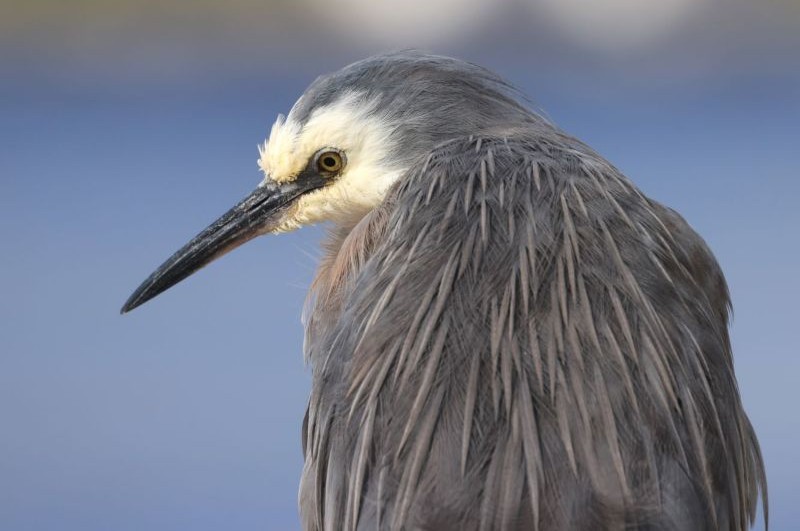
Dragonfly Data Science ensures fair play for Bird of the Year
September 2025: Voting is now open for Forest & Bird's Te Manu Rongonui o Te Tau/Bird of the Year, and behind the scenes, Dragonfly Data Science is ensuring every vote is counted fairly.
Dragonfly data scientist Yvan Richard has been involved with the competition since 2015, when he began independently tracking votes. In 2017, he exposed fraudulent voting for the white-faced heron, earning the role of unofficial scrutineer. This year, that work has been formalised, with Dragonfly becoming the official provider of verified vote counts.
Yvan has built an interactive dashboard that visualises votes in real time, flags anomalies, and filters out duplicates or errors. "In the past, validating votes was a tedious, manual process. Now, with the dashboard, we can filter duplicates, check confirmations, and spot unusual voting patterns quickly," he says.
For Yvan, the competition is more than a job. "Bird of the Year has created a really effective model for engaging communities with conservation," he says. "It shows what's possible for other species too."
In 2017, Yvan alerted Forest & Bird to cheating for the white-faced heron, and became the competition's scrutineer. Photo: Louise Thomas.

Motu's Arthur Grimes discusses the Reserve Bank on Q+A
September 2025: Motu Senior Fellow Arthur Grimes was Chair of the Reserve Bank for over a decade, and was invited to speak to Jack Tame on Q+A about the Reserve Bank's role and recent news.
Arthur said he doesn't think there will be long-term damage to trust in the central bank over its handling of Adrian Orr's departure. He told Q+A there were short-term concerns about its reputation and he believed the central bank had made some "misleading" statements.
"Probably the top of the list (of the RBNZ's priorities) was to ensure privacy," says Arthur.
"But having said that, it was important not to say something that could potentially mislead, and I think some of the statements were misleading.”
Former Reserve Bank governor Adrian Orr resigned in March, followed by chairperson Neil Quigley late last month. Orr's resignation has been attributed to a disagreement with Finance Minister Nicola Willis and the RBNZ's board over the central bank's funding.
Arthur said it was "hugely important" that the bank remained an independent institution.
Follow the link to watch the interview.
Motu Senior Fellow Dr Arthur Grimes. Photo: Motu.
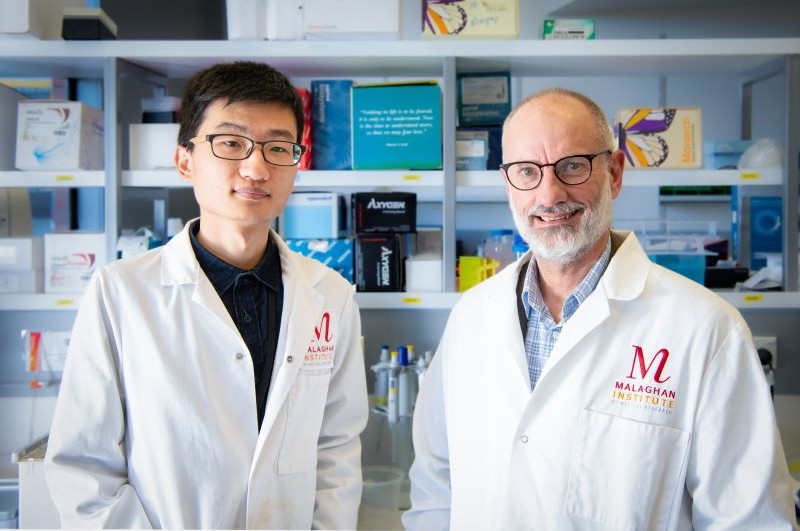
Malaghan: Funding boost for lung cancer treatment
September 2025: The Malaghan Institute has been awarded more than $5M funding in MBIE's 2025 round of the Endeavour Fund for a collaboration with the Auckland Cancer Society Research Centre based at the University of Auckland to investigate novel methods to improve patient responses to immunotherapies for lung cancers.
Immune checkpoint inhibitors have revolutionised cancer treatment in recent years. The immunotherapy works by blocking the 'off signals' on T-cells - keeping these cancer-killing immune cells fighting cancer, for longer. They are used as a standard treatment for many cancers, including lung, breast and skin cancer.
Despite the success of immune checkpoint inhibitors, many patients don't respond to the therapy, or the immune response is too weak to completely remove the tumour. The Malaghan Institute's Hermans Lab and the Auckland Cancer Society Research Centre will be exploring novel immune-stimulant molecules to use alongside immune checkpoint inhibitors to boost their effectiveness and improve patient outcomes.
"This work represents decades of combined experience in creating immunotherapies and targeting therapeutics selectively to tumours," says Professor Ian Hermans.
Dr Regan fu (left) and Professor Ian Hermans. Photo: Malaghan Institute of Medical Research.

Bragato: New projects to drive wine innovation
September 2025: Bragato Research Institute (BRI) has announced three new research projects, adding to the six selected earlier this year through its 2025 research proposals round. Together, these projects aim to drive innovation and deliver lasting value to New Zealand's grape and wine sector.
The first project focuses on bulk wine shipping, a growing part of New Zealand's export market. It will consolidate existing knowledge on production and packaging while identifying gaps and opportunities for improvement. A second project investigates the production of low and no-alcohol wines, an area of rising consumer interest. Researchers will evaluate yeast strains for their ability to reduce alcohol levels and test mouthfeel-enhancing additives that could improve texture, body, and overall quality.
The third project, led jointly by BRI and Victoria University of Wellington, targets the destructive fungus Botrytis cinerea, which causes grey mould and negatively affects wine quality. By applying cutting-edge genomics and protein-engineering tools, researchers aim to design mini-proteins that block harmful enzymes, reducing oxidative damage and protecting premium wines. Together, these studies highlight BRI's commitment to advancing science and supporting New Zealand winemaking.
Photo: Bragato Research Institute.

Aqualinc: Will your irrigation consent be renewed?
September 2025: In the September issue of Canterbury Farming Newspaper, Aqualinc's Matt Bubb asks an important question for irrigators: will your irrigation consent be renewed? Resource consents are only valid for a set time, and before they expire, a replacement application is required.
While most consent holders who are actively using their consents should be able to renew them, the process is not automatic. Renewal applications are treated much like new ones, with councils applying current rules and requirements that may differ from when the original consent was granted. This can lead to new conditions, such as stricter controls where bores affect surface water, or requirements to upgrade fish screens to modern standards.
Applicants must also prove the water is needed. Robust water meter data is vital, and in future, soil moisture records may be required to demonstrate efficient use. Ironically, careful users can be penalised under the current "use it or lose it" approach.
Consent durations may also be shorter and aligned with other farm consents. Matt advises farmers to seek expert advice early - ideally 18-24 months before expiry - and to maintain accurate records to support renewal applications.
Photo: Aqualinc.

Public housing can support bright futures for children, Motu study shows
September 2025: A new report by Motu Economic and Public Policy Research senior researchers Jaimie Monk and Arthur Grimes reveals that starting life in public housing can help set children up for success. The study, Housing and child development: Trajectories of child wellbeing by tenure type in Aotearoa New Zealand, tracked nearly 6,000 children from birth to age 12.
While children in public housing initially showed more behavioural challenges at age two, these eased more quickly than for peers in other housing. By age nine, behaviour levels were similar, and by age 12 their overall wellbeing was as strong - if not stronger.
The study found that positive outcomes were strongly linked to stable home environments, supportive relationships with whānau and teachers, time outdoors, and freedom from bullying. Frequent house moves were associated with slightly lower wellbeing, but these effects were modest when other factors were considered.
The research highlights the importance of stable housing and early support in fostering children's wellbeing and long-term outcomes.
Photo: Getty Images, UnSplash.

WSP: A mountain of solutions for a mountain of a problem
September 2025: Roughly sixty percent of old car tyres end up in landfills, stockpiled, or dumped - creating massive fire risk and environmental problems.
Every so often, stockpiles of waste tyres hit the headlines for all the wrong reasons. The Amberley tyre fire of 2021 was a sad case in point, where 160,000 old tyres were deliberately torched. Toxic plumes of black smoke billowed high in scenes more reminiscent of a war zone.
WSP's lead advisor for transport research and Tyrewise steering group member Jeremy Wu says events like these symbolise the enormity of New Zealand's tyre disposal challenge. As well as the ever-present risk of catching alight, chemicals and heavy metals in stockpiled tyres can leach into soil and groundwater.
"It's a mountain of a problem, with very real environmental and human health implications."
New Zealand exports some end-of-life-tyres. But as we saw a few years ago with China's National Sword policy on plastics, overseas markets are moving away from importing other countries' waste. They don't want them adding to their own confronting waste management issues.
Photo: WSP Research.
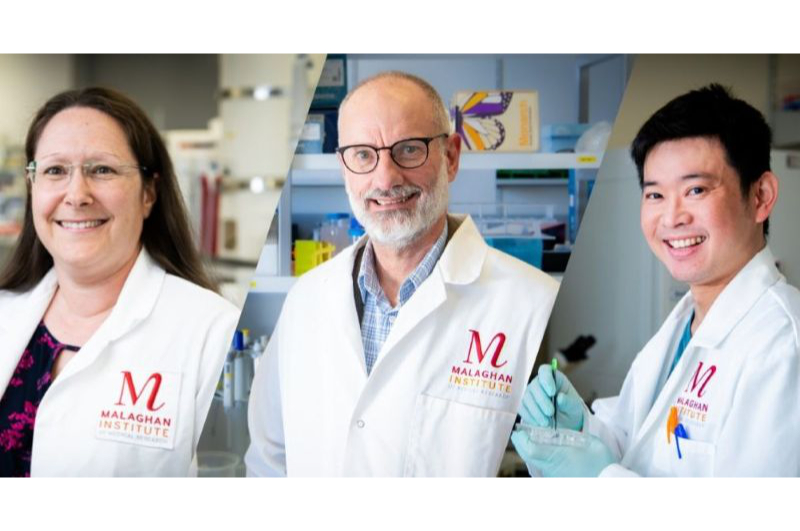
Malaghan: Cancer, measles, & allergic disease research funded
September 2025: The Malaghan Institute has been awarded three Health Research Council grants, totalling $7.4M over five years, to improve cancer immunotherapies, protect vulnerable populations from measles outbreaks and investigate new therapeutic targets for eczema, advancing research that addresses some of the most pressing health challenges facing Aotearoa New Zealand today.
Director Professor Kjesten Wiig says receiving three major grants from the Health Research Council at a time of heightened funding constraints is significant and recognises the calibre and relevance of the Malaghan Institute's science.
"These investments not only reflect confidence in the Malaghan's research across cancer, allergic and infectious diseases, but also the real-world impact of our work on the health of New Zealanders."
Projects include re-engineering CAR T-cells to overcome exhaustion and enhance cancer therapy, developing an mRNA-based measles vaccine for vulnerable groups, and exploring novel therapeutic pathways for atopic dermatitis.
From left: Dr Rachel Perret, Professor Ian Hermans, Dr Sotaro Ochiai. Photo montage: Malaghan Institute of Medical Research.
Connections 55 eNewsletter out now
August 2025: Another bumper issue of the IRANZ newsletter is out now. It's chock full of the latest independent science research news from around Aotearoa New Zealand.
IRANZ leaders named Companions of the RSNZ
BRANZ: Extreme corrosion on the Chatham Islands
WSP subjects Harbour Bridge structure to 1 in 2,500-year winds
NASA and Dragonfly map the forests of Aotearoa
Lincoln Agritech: Research aims to store more carbon in soil
Motu: Synthetic milk could damage the New Zealand economy
Mātai Senior Research Fellow at Parliamentary Science Forum
MRINZ: Landmark asthma trial shows major clinical benefit
Malaghan: Tracking allergies to their source
Mātai developing new MRI method with better MS detection
Estendart: New horizons in pain management for pets
. . . And much more.
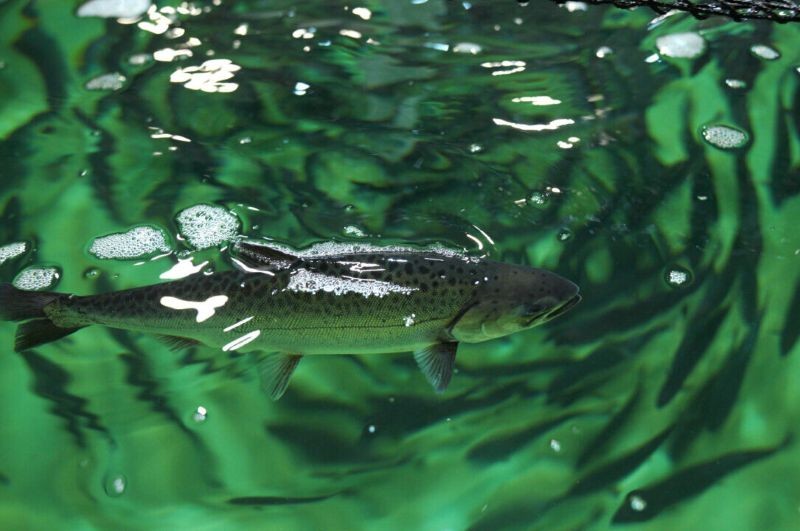
Juvenile salmon. A new Cawthron research project will explore both genetic and environmental levers to improve mitochondrial efficiency. Photo: Cawthron Institute.

IRANZ August news briefs
August 2025: Follow the link for more details on the August 2025 news briefs from our Independent Research Organisations.
- Lincoln Agritech: Biodegradable bioplastic pitch for Falling Walls
- Cawthron's first commercial spin-out named finalist for 2025 KiwiNet Award
- BRANZ 2025 Funding Round now open
- Malaghan visiting researcher: Dr Johanne Jacobsen
- WSP Environmental Training Centre launches online Water Learning Hub
- Estendart: Kaiawhina Animal Ethics Committee passes 2025 MPI audit
- Cawthron delivers hands-on biology workshops for students
- BRANZ: Future leaders build resilience in 72-hour national design-athon
- Malaghan Institute becomes New Zealand's first signatory to the Technician Commitment
- Cawthron: Policy reset for moving freshwater species needed
- ...and much more.
Erica Sue-Tang, a Research Assistant in Lincoln Agritech's New Materials Group, was named as one of 21 finalists in this year's Falling Walls Lab Aotearoa New Zealand. She went on to place second in the competition in August. Photo: Lincoln Agritech.
Estendart: New horizons in pain management for pets
August 2025: A recent Estendart Research Laboratory (ERL) study has explored new approaches to managing pain in companion animals, revealing a pressing need for improved treatments. Research shows that one in three dogs presented at veterinary clinics exhibit clinical signs of pain. Yet only 53% receive analgesia during their visit, and just 31% are prescribed at-home pain relief - leaving around 16% untreated. Untreated pain can progress to chronic conditions if not addressed promptly.
Traditional approaches, such as daily oral or injectable medications, often pose challenges for both owners and pets, ranging from difficulty administering doses to poor compliance. ERL's study highlights the potential of long-acting, sustained-release analgesics as an alternative. These formulations improve dosing accuracy, enhance compliance, and reduce the burden on owners while ensuring consistent, effective care.
“We are proud to collaborate with forward-thinking sponsors committed to developing solutions that benefit animals, their owners, and the veterinary teams who care for them,” says Shirli Notcovich, ERL Research Leader.
Photo: Mikhail Nilov, Pexels.
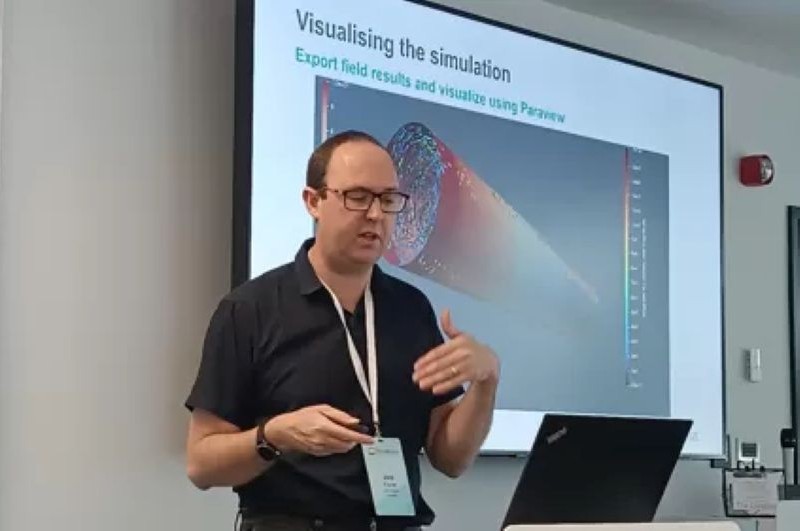
Lincoln Agritech: Maths can predict that
August 2025: How do you train AI to detect foreign objects in food processing pipes when it's too expensive, time-consuming, and fundamentally impractical to do that training in a working processing plant?
That's the problem the research team developing a new electromagnetic imaging method for food processing faced as they tried to put their prototype sensor through its paces.
The five-year project is led by Bill Heffernan, Principal Research Engineer at the University of Canterbury, with a team that includes Lincoln Agritech Principal Scientist Jaco Fourie.
New Zealand's food and beverage manufacturing industry is worth $12.4 billion in exports. Quickly and reliably detecting foreign objects during food processing is important both directly for food safety and to avoid reputational damage.
It's also problematic; most existing sensors are based on mechanical separation, metal detection, X-ray technology, or near-infrared sensors. But all these methods have their drawbacks - for example X-ray devices can only discern materials of different density, so cannot detect, for example, rubber O-rings in cream-cheese.
Jaco Fourie presenting at the IEEE Sensors Application Symposium in Newcastle Upon Tyne, in the United Kingdom. Photo: Lincoln Agritech.
Motu: Treasury's cost-benefit tool - time to use it better
August 2025: What is the true value of a policy project? For governments, the answer underpins both fiscal discipline and public trust.
Arthur Grimes, Motu Senior Fellow, and Dennis Wesselbaum, Motu Affiliate, argue that New Zealand already has a world-class tool for this purpose: the Treasury's CBAx cost-benefit analysis model.
Developed in 2015, CBAx standardises assessments of long-term fiscal and social impacts across health, education, justice, and wellbeing. It provides a consistent, transparent framework for comparing initiatives, improving both the number and quality of analyses submitted with budget bids.
However, the authors note that many major projects, such as Auckland Light Rail, have bypassed the tool entirely - leading to wasted resources and missed opportunities.
They suggest expanding CBAx's database of impact values, boosting training for public servants, and embedding the tool more deeply in policy design. Used well, CBAx can ensure government spending delivers real and measurable value.
The linked article was published in The Conversation and featured by RNZ.
Arthur Grimes. Photo: Motu.

IRANZ leaders named Companions of the RSNZ
August 2025: Three Independent Research Association of New Zealand (IRANZ) members have been honoured as Companions of the Royal Society Te Apārangi, recognising their decades of service to science, innovation, and public policy.
Peter Barrowclough, Chief Executive of Lincoln Agritech from 2009 to 2023, was recognised for his leadership in transforming the organisation into a hub of innovation. Under his direction, the company grew significantly, advancing research in precision agriculture, groundwater, robotics, and new materials.
Professor Graham Le Gros CNZM FRSNZ was honoured for more than 30 years at the helm of the Malaghan Institute of Medical Research. He developed it into a world-class centre for immunology, leading pioneering work in allergic and parasitic diseases and overseeing New Zealand's first CAR T-cell clinical trials, as well as playing a key role in building domestic vaccine capability.
Dr John McDermott, Executive Director of Motu Economic and Public Policy Research, was recognised for sustained contributions to economics and public policy, particularly in climate change, land-use, and human rights.
Also honoured was Dr Bronwen Kelly, a former Research Associate at Gillies McIndoe Research Institute until 2022.
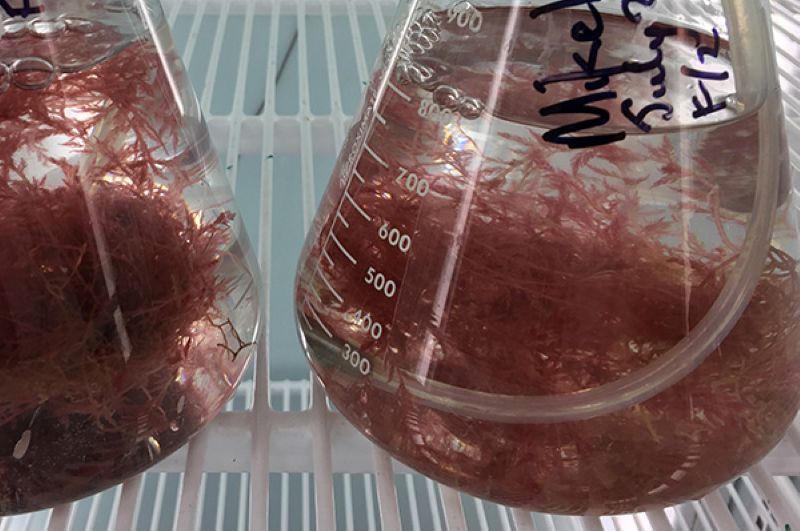
Cawthron: Red seaweed potentially NZ's next big food & export success
August 2025: New Zealand's native karengo seaweed could soon rival Mānuka honey as a health-promoting super-food, thanks to new research unlocking its potential as a high-value food and health product.
Cawthron Institute recently received a new tranche of Catalyst: Strategic funding to advance its ground-breaking research into karengo (Porphyra and Pyropia species), native red seaweeds long valued by Māori and now tipped to drive a new era of seaweed farming, food innovation, and regional economic development. The programme is a collaboration among several of New Zealand's leading research institutes as well as the Singapore Institute for Food Biotechnology Innovation.
The new funding builds on previous work supported through the High-Value Nutrition National Science Challenge and a previous Catalyst: Strategic project, which laid the foundation for understanding the nutritional profile of karengo and any health-promoting compounds it contains. The programme also complements a recently awarded Vision Mātauranga Capability Fund project with Te Rūnanga o Kaikōura to collate traditional knowledge and establish community-based ecological monitoring of karengo.
Red seaweed. Photo: Cawthron.
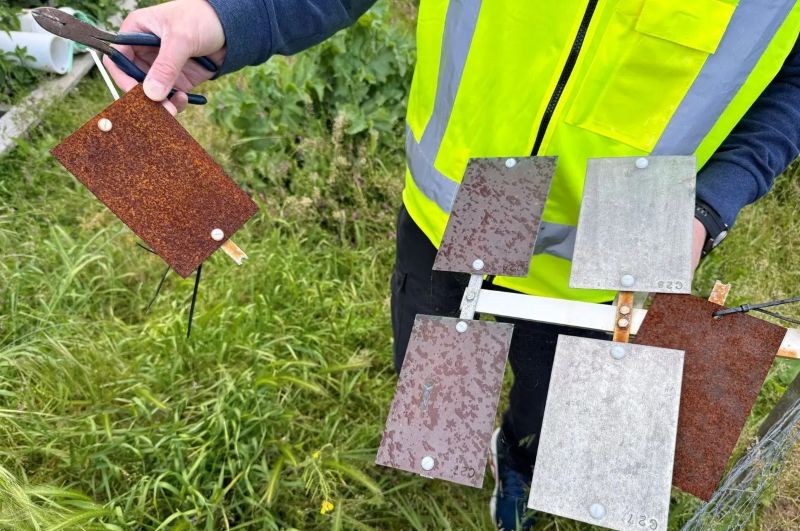
BRANZ: Extreme corrosion on the Chatham Islands
August 2025: New BRANZ research reveals corrosion on the Chatham Islands occurs up to 22 times faster than on mainland New Zealand - nearly twice the rate of Europe's most extreme marine environments.
Out in the South Pacific, 800 kilometres east of mainland Aotearoa New Zealand, the Chatham Islands endure a raw and unforgiving climate. With no surrounding landmass to soften the blow, the island is battered by salt-laden winds. For the 600 residents, building resilience isn't optional - it's essential.
Despite their remoteness, the Chatham Islands' battle against the elements - especially extreme corrosion on their buildings - is nationally relevant. As climate change intensifies, these conditions could be a preview of what's to come elsewhere in New Zealand by the end of the century.
Under New Zealand's building standard for corrosion, the Chatham Islands had long been classified as 'Zone D', but there was no hard data to back it up. In 2021, the Building Research Association of New Zealand (BRANZ) joined forces with researchers from the Joint Centre for Disaster Research at Massey University, to investigate.
Metal testing on Chatham Islands. Photo: BRANZ.

Aqualinc: Irrigation monitoring and reporting systems fit for purpose
August 2025: In the August Issue of Canterbury Farming, Aqualinc's Jim Herbison reports that the need for real-time data for both farm management and compliance is becoming increasingly important. Often implementation of these systems is considered a compliance 'box ticking' exercise but treating them as such and not actively using the data results in lost opportunities.
"Water use, power, soil moisture and weather data are vital inputs into any Farm Management system. Often, they are used in isolation but combining them allows for reporting and benchmarking to ensure maximum efficiency and profitability. Proof of collection and use of this data is often necessary to ensure an A grade FEP Audit result.
"As resource consents come up for renewal this data will be vital as a pre-requisite for a robust and comprehensive analysis of future irrigation water needs is good quality monitoring data. Data is needed to prove what's happening on farm is appropriate. It's no longer sufficient to be a good irrigation manager; you also need to demonstrate it. 'Show me the numbers!' Without them, how will you justify your water allocation?"
Graphic: Aqualinc.

HERA advocates for Digital Steel Passport to boost sustainability
August 2025: New Zealand's construction sector is under growing pressure to cut costs, lower carbon, and improve resource efficiency. HERA's Structural Sustainability and Circular Economy Engineer, Osama Mughrabi, says a Digital Steel Passport (DSP) could be a game-changer.
The DSP is a traceable digital record that follows a steel product through its life, holding verifiable data on composition, mechanical properties, coatings, fabrication, maintenance, and significant life events. This information makes it easier to verify performance and enable safe reuse rather than downcycling or disposal.
Research shows reusing structural steel can cut carbon emissions by up to 97 percent. Mughrabi notes that on Auckland's Civic Administration Building project, the absence of a DSP added around $60,000 and three months to the programme.
Globally, the move toward Digital Product Passports is accelerating, with the EU introducing regulations from 2027. Aligning with these developments could improve New Zealand's competitiveness, reduce reliance on imports, and keep more value in the local economy - while supporting a circular, low-carbon construction future.
Image: HERA.
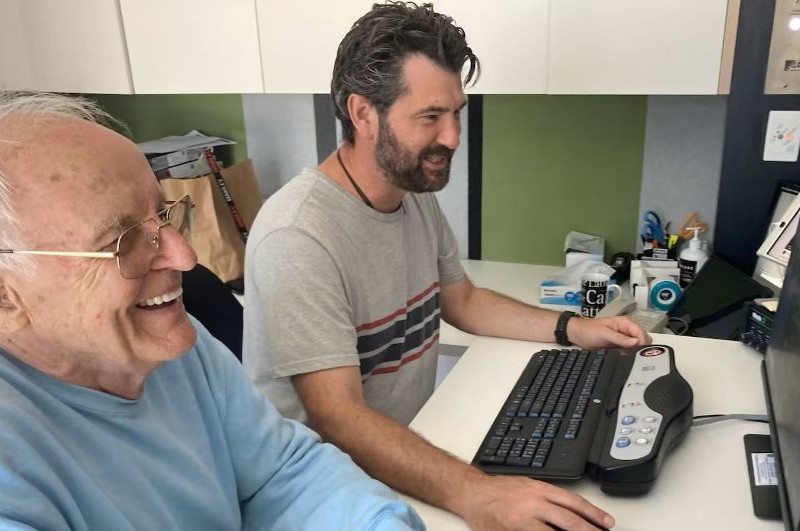
Mātai developing new MRI method with better MS detection
August 2025: Researchers from Mātai Medical Research Institute in Gisborne are helping develop a new MRI scan method, which they say can detect subtle brain lesions in multiple sclerosis patients not seen on current state-of-the-art scans. The research was recently highlighted in the Gisborne Herald.
According to a recent journal paper published in a special issue of Recent Advances in MRI of Multiple Sclerosis, the new method offers 10 times more contrast, which could enable earlier detection and precise monitoring of multiple sclerosis (MS).
Paul Condron, Mātai charge technologist and one of those who worked on the paper, said the new method was likely to significantly improve how doctors detect and monitor MS, including progressive disease.
"It is a major leap forward in MS imaging."
He said the first study demonstrating the use of MRI in MS was published in 1981 by a team from the Royal Postgraduate Medical School (UK), including Professor Graeme Bydder.
Emeritus Professor Graeme Bydder with Mātai charge technologist Paul Condron seeing UHC MRI in action for the first time. Photo: Mātai Medical Research Institute.

Scarlatti: AI assessment pilots - key findings
August 2025: Scarlatti's Research Manager Phoebe Gill continues her ongoing series examining the use of AI in education. Earlier this year, Scarlatti developed their own Artificial Intelligence (AI) agent for oral assessment to explore whether it could help improve outcomes for students who are neurodiverse, speak English as a second language, or have learning difficulties. Since then, they've undertaken two pilots, an evaluation, and published their five key practical lessons for education providers wanting to trial a similar agent.
The article series acts as a beginner's guide to the use of AI in education. The series has been developed as part of a project to develop an AI agent for learner oral assessment, funded by the Food and Fibre Centre of Vocational Excellence.
"Across both pilots, there was a 95% match between the preliminary grade given by the agent and the grade given by a human tutor. We interpret this as high given that human graders themselves would likely have some variation between different teaching staff.
"Where there were grading mismatches, it was mostly when the AI had graded someone as not yet competent, and the tutor disagreed... these mismatches were often due to fixable inaccuracies in the training data."
Image: Scarlatti.
Lincoln Agritech: Biodegradable bioplastic pitch for Falling Walls
August 2025: Erica Sue-Tang, a Research Assistant in Lincoln Agritech's New Materials Group, has been named as one of 21 finalists in this year's Falling Walls Lab Aotearoa New Zealand.
Falling Walls Lab is a global search for world-changing new ideas from students or early-career scientists.
Erica will present her three-minute pitch, titled “Breaking the Wall of Biodegradable Bioplastics”, at the national finals in Wellington on Thursday, 7 August.
Erica said she developed her idea while working on a process for developing cellulose fibres. "The idea really came from the work the team was doing with cellulose fibres. It sparked the thought - what if we could take it further and create a new cellulose-based plastic?"
"Common petroleum-based plastics aren't renewably sourced or biodegradable and millions of tonnes end up in the environment, creating microplastics."
Currently available bioplastics aren't the solution, as few are biodegradable. For example, PLA, made from plant-based sources such as corn, cassava, and sugarcane, contributes to microplastic pollution.
Research Assistant Erica Sue-Tang. Photo: Lincoln Agritech.

Malaghan: Te pūnaha awhikiri - exploring the immune system through Mātauranga Māori
August 2025: In an OpEd for the Conversation, Tama Braithwaite-Westoby, Māori Engagement Officer at the Malaghan Institute, explains how a Māori worldview describes the immune system as a guardian and how this could improve public health in Aotearoa New Zealand.
In biomedical science, the immune system is described as a cellular defence network that identifies and neutralises threats. In te ao Māori (the Māori worldview), it can be seen as a dynamic system of guardianship, known as te pūnaha awhikiri.
For Māori, wellbeing is relational and interconnected. It encompasses physical, mental, spiritual and environmental health. Within this understanding, we can think about the immune system as a living guardian that protects and regulates an individual's internal balance and connection to the wider world.
Te pūnaha (system) awhikiri (immunity) expresses how the immune system functions through the lens of mātauranga Māori (Māori knowledge), including through concepts such as kaitiakitanga (guardianship), whakapapa (genealogy) and tautika (balance).
Tama Braithwaite-Westoby, Māori Engagement Officer at the Malaghan Institute. Photo: Malaghan Institute.

WSP subjects Harbour Bridge structure to 1 in 2,500-year winds
August 2025: Sometime in the not-too-distant future eagle-eyed Aucklanders may spy a large scaffold structure hanging beneath the Auckland Harbour Bridge. Behind the wrapping will be a platform - used by workers as they re-coat the bridge in anti-corrosion paint. But what the public won't have seen is a scale model of the structure being battered by extreme winds in WSP's wind tunnel.
As part of ongoing maintenance by the Auckland System Management Alliance, steel structures like the Harbour Bridge need to be protected from corrosion using specialised coatings. Removing the old paint must be done carefully to prevent flakes from polluting Waitematā Harbour - hence the need for a fully enclosed scaffold.
Hanging a scaffold beneath a bridge may seem straightforward, but it's anything but. Structural engineers from Beca needed to understand exactly how wind would affect the scaffold and bridge. That's when WSP entered the picture.
"In the first half of last year, we ran detailed desktop calculations and did a wind tunnel test. We took a 1/100 scale model section of the bridge and scaffolding, complete with 3D-printed parts, and spun it through 360 degrees of wind," says WSP principal research engineer Nick Locke.
Photo: WSP.

WSP launches online Water Learning Hub
July 2025: WSP's seventy-year heritage in water and wastewater training has turned an exciting new corner with the launch of an online hub for people interested in learning about - or upskilling in - the industry.
The subscriber-based hub is a digital space for all things water training. It features an initial fifty microlearning courses, ranging in length from ten minutes to an hour. Live webinars with WSP water treatment specialists are also planned to be included. Learners can track their training with a record of learning and digital badges.
WSP Environmental Training Centre manager Jonathan Mackey says WSP and its predecessors - Opus and the Ministry of Works - have been training water and wastewater operators and technicians since 1959.
"The first operator qualifications were called C, B and A Grade Water or Wastewater before WSP supported transitioning of these local qualifications into National Certificates and Diplomas on the New Zealand Qualifications Framework in the early 2000s."
The new hub is "chock full of best practice content," says Jonathan. "It captures all the clever stuff the industry does and knowledge from specialists with decades of expertise."
Designed around the concept of social learning, the hub encourages learning through observing and interacting with others.
Photo: WSP.
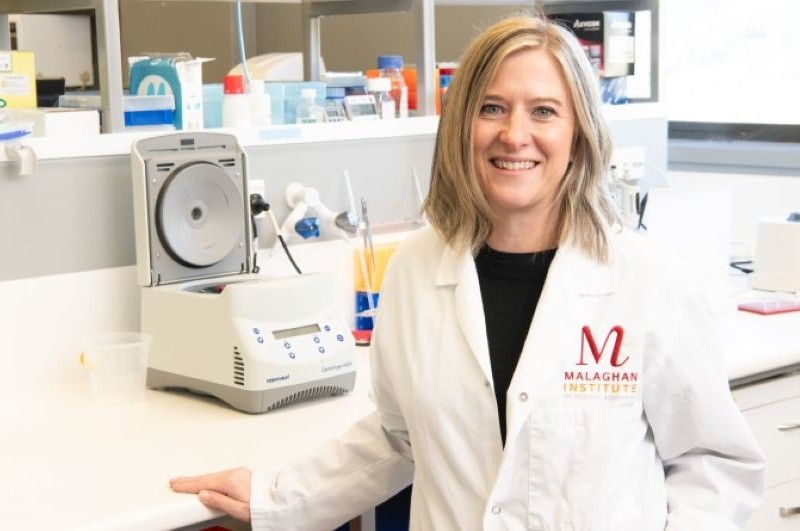
Malaghan: Finding new ways to target old viruses
July 2025: "Our immune system has the potential to recognise anything in the universe. Or, for those who like numbers, a couple billion trillion things."
For Dr Lisa Connor, getting the immune system to respond to the right thing, at the right time, has been the cornerstone of her career. Head of the Connor Laboratory at the Malaghan Institute, she knows first-hand about the trials and tribulations of getting the immune system to recognise what we want, when we want it to - whether that's a virus, bacterium, or cancer cell.
"My first introduction into the importance of proper immune responses was as an undergraduate at Victoria University of Wellington, where I attended a lecture by Associate Professor Joanna Kirman, former group leader for infectious diseases at the Malaghan," says Lisa.
"Jo was offering a teaching module at the university exploring vaccinology and how if you develop the wrong type of immune response to a vaccine it can cause a severe outcome. Specifically, she was talking about a vaccine trial in the 1960s for an RSV vaccine made from an inactivated virus that, instead of protecting infants from the virus, caused them to have even worse outcomes from the disease. That was my first proper introduction to the complicated and nuanced relationship between vaccines and the immune system."
Dr Lisa Connor. Photo: Malaghan Institute of Medical Research.
Cawthron to research mitochondrial innovation in aquaculture
July 2025: Cawthron Institute scientists have been awarded a significant research grant through the Ministry of Business, Innovation and Employment's (MBIE) Endeavour Fund - Smart Ideas 2025 investment round, to lead a pioneering new project aimed at improving climate resilience in Aotearoa New Zealand's aquaculture sector.
The two-year project, Supercharging Mitochondrial Function, will be co-led by fish physiologist Dr Leteisha Prescott and senior aquaculture scientist Dr Jane Symonds. It will investigate how improving mitochondrial function - often referred to as the “powerhouses of the cell” - can enhance the performance, robustness, and survival of key aquaculture species such as salmon, snapper, oysters, and Greenshell mussels.
"This is about unlocking a new tool to help future-proof Aotearoa New Zealand's seafood sector," says Dr Symonds.
"As climate change brings increasingly warmer waters and extreme weather events, it's crucial that we develop strategies to strengthen the resilience of our farmed species."
Juvenile salmon. The new research project will explore both genetic and environmental levers to improve mitochondrial efficiency, including how targeted breeding, nutrition, and husbandry practices can support improved metabolic function and stress tolerance. Photo: Cawthron Institute.

Motu: Synthetic milk could damage the New Zealand economy
July 2025: Synthetic milk might seem like science fiction — but its future is edging closer, and it could reshape our economy in Aotearoa New Zealand. Journalist Eric Frykberg from Interest.co.nz interviews Motu Senior Fellow Professor Niven Winchester (in his AUT capacity) about new research that shows large-scale synthetic dairy could lower the price of New Zealand's biggest export, with serious flow-on effects for our economy.
The scale of disruption, though, would vary, and there is slow progress at present towards making synthetic milk economic. However, it raises big questions for the future of farming, trade, and regional resilience.
“Large-scale production of synthetic dairy products - that decreases the price of New Zealand's largest export commodity - will have a significant negative impact on this economy,” says Niven.
Eric writes that this issue has arisen after years of analysis which argued that putting grass into a cow is wasteful because a lot of the output is diverted into growth of the animal. "Putting a feedstock such as sugar into a test tube could produce milk which has far less waste, and would have lower environmental side effects."
Synthetic milk is produced by precision fermentation, which uses genetic modification of microbes to produce a protein that mimics the protein found in a desired dairy product. Photo: Photo by Kt Rb, Unsplash.
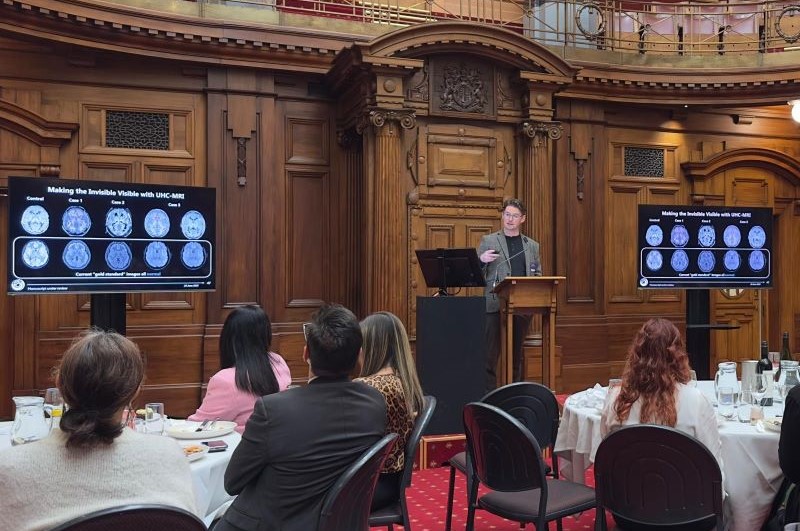
Mātai Senior Research Fellow at Parliamentary Science Forum
July 2025: Mātai Senior Research Fellow Dr Josh McGeown shared recent work on mild traumatic brain injuries (mTBI) and concussion at last month's Parliamentary Science Forum on 25 June. The event had a focus on "emerging issues in health".
Traditional imaging technologies cannot reliably detect a “mild” brain injury - the kind common with collision sports like rugby - but that doesn't stop these kinds of injuries from causing lasting harm. Mild traumatic brain injuries (mTBIs) often lead to months of reduced quality of life, time missed from work or school, and escalating ACC payouts. Without accurate diagnosis, people with mTBIs may not receive the support they need for recovery.
Josh is using novel MRI-based techniques to develop a more sensitive test to detect mTBIs. For this, he collaborates with rugby players at a local high school, who undergo brain scans before, during, and after the rugby season to track changes in their brains. MPs saw images of brains before and after injury, using classic MRI or Mātai's novel MRI method - the Mātai scans showed a repeatable difference post-injury.
Mātai hopes their new protocols will make these invisible injuries visible, enabling more accurate diagnosis and streamlined care pathways.
Mātai's Dr Josh McGeown at the Parliamentary Science Forum. Photo: Mātai Medical Research.
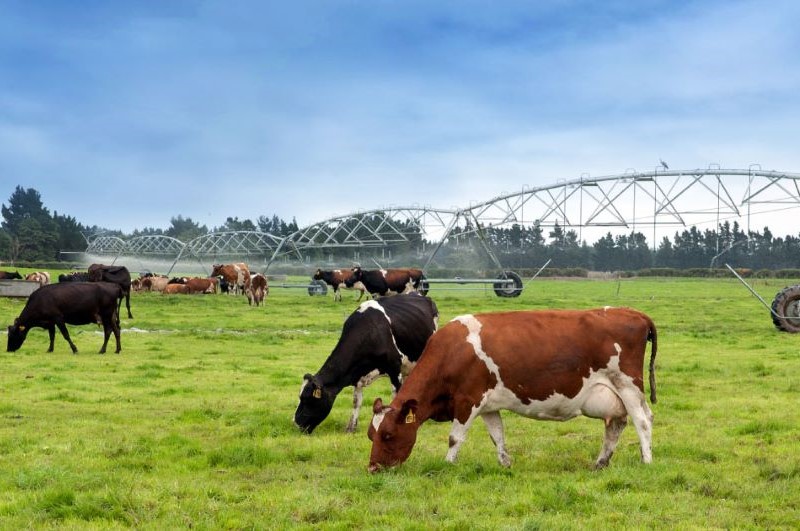
Aqualinc: Consents need your attention
July 2025: Resource consents are crucial to most farming operations. However, they are often left in the bottom draw until there is a problem.
It's common for us to overlook the importance of regularly reviewing our consents. By neglecting to review them we increase the likelihood of non-compliance, we could miss an opportunity to ensure the consents are appropriate for what we want to do, as well as potentially missing other opportunities the consents may provide.
Reviews can identify where there may not be full compliance, allowing corrective action to be taken before regulators intervene. Consents are not set in stone, some aspects of them can be altered to better reflect the needs of the farming operation. If changes are required, they can often be made without putting the consent at risk. On many occasions consent holders have said that they are nervous about altering a consent as they feel that Environment Canterbury (ECan) will impose more restrictive conditions. This is not typically the case and if you have sought advice from a reliable source, you will understand what is likely to happen and whether there are any risks involved.
Keeping track of expiry dates of consents is particularly important. ECan are not obliged to inform consent holders of expiry dates and when they do, sometimes letters can go missing.
Photo: Aqualinc Research.
HERA: Reflecting on a transformative year
July 2025: HERA's AGM was held last month and celebrated the achievements of their mahi across the financial year.
They report that the past financial year was one that tested their industry. "The slowdown in construction activity and reduced steel demand presented real challenges across the sector. While the environment was tough, our focus remained on supporting the heavy engineering community with practical solutions, long-term vision, and new opportunities to grow and adapt."
Thanks to a previous levy increase, and the strength of diversified income from training, grants, and consulting, HERA were able to meet objectives and invest in new areas that will shape the future of the industry.
"Our research programmes made strong strides across sustainability, seismic, structural fire, AI for quality systems and construction 4.0. Amongst our many research achievements, we released new national guidance for low-carbon circular design in low-rise buildings and launched tools to support more sustainable steel specification. Our seismic research contributed to updated weld sizing criteria now reflected in the draft NZS 3404:2024. We also advanced infrastructure research through our railway bridge standardisation programme and expanded into automation and robotics via international partnerships."
Photo: HERA.

BRANZ 2025 Funding Round now open
July 2025: BRANZ is now inviting applications for the 2025 Building Research Levy funding round. Managed by BRANZ, the Levy supports practical, impactful research to improve the quality, resilience, affordability, and sustainability of buildings in Aotearoa New Zealand.
The 2025 round launches alongside BRANZ's new 10-year Research Investment Strategy, which sets out priorities through to 2035. In response to sector feedback, 60% of new research funding will target housing affordability. Other key areas include quality, resilience, and sustainability - ensuring research outcomes deliver real-world benefits for New Zealanders.
The funding round is designed to be clear and accessible, with four key stages:
- Information: Access key documents, priorities, and upcoming support videos.
- Registration: All applicants must register to receive the correct application link.
- Application: Submit a Stage One Concept Proposal through the online portal.
- Assessment: Concepts will be reviewed by an expert panel, with successful applicants invited to submit Full Proposals in September 2025.
Learn more and start your application journey at the link below.
Image: BRANZ.
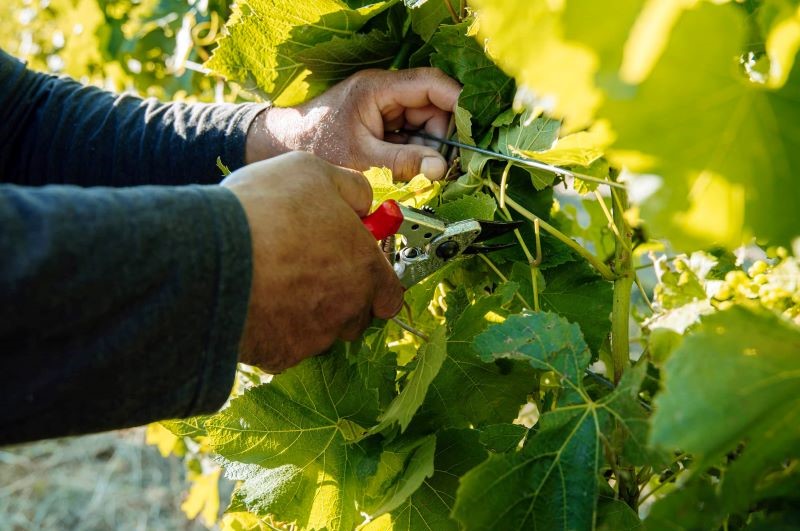
Bragato: Latest projects set to drive wine innovation and circularity
July 2025: Bragato Research Institute (BRI) has announced six new research projects approved for funding following its March call for expressions of interest. This year's focus was on innovative wine products and improved grape and wine circularity, with funding allocated from a $300,000 pool.
Each proposal was assessed by BRI's Research & Innovation Committee. Additional projects are in development to ensure coverage of BRI's priority research areas.
The approved projects are:
- Early powdery mildew detection using VOC sensors (Scentian Bio)
- Carbon Calculator trial with 100 growers to support net zero goals (BRI)
- Single Vine Wine methodology for ultra-small-scale winemaking (Plant & Food Research)
- Insect frass in viticulture as a circular soil amendment (Plant & Food Research)
- Genetic and epigenetic profiling of Central Otago Pinot Noir clones (BRI)
- Containment solutions for grape marc to reduce nitrate leaching (BRI)
Together, these projects support sustainability, innovation, and future-focused practices for Aotearoa New Zealand's wine industry. Further projects will be announced in the coming months.
Photo: Bragato Research Institute.
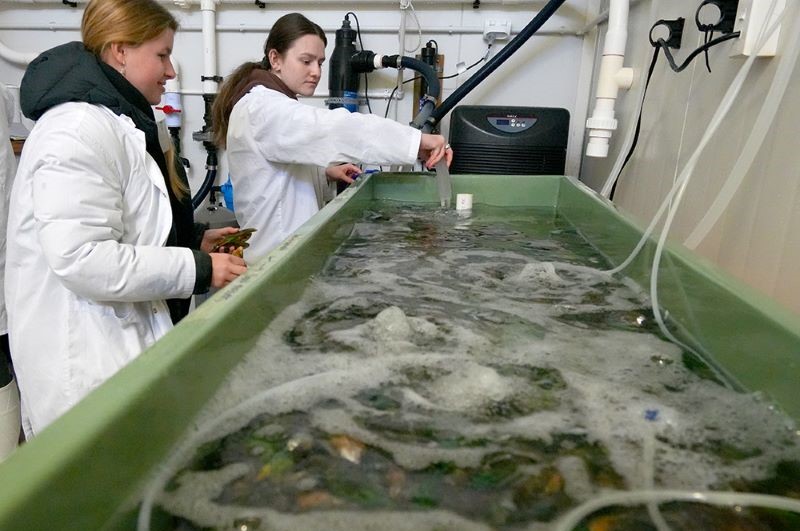
Cawthron delivers hands-on biology workshops for students
July 2025: A series of two-day Year 13 Mussel Biology workshops were recently held thanks to a collaborative effort between several organisations in Whakatū Nelson: Cawthron Institute, The University of Otago NZ Marine Studies Centre (NZMSC), NMIT Te Pūkenga, MacLab, Moana New Zealand, and SpatNZ.
These annual workshops are offered by Cawthron as part of its community outreach, with the aim of inspiring local students to follow a career in science
This year over 70 students from Nelson College for Girls, Queen Charlotte College, Golden Bay High School, Kaikōura High School, Waimea College and Te Kura Correspondence School participated in the workshops, guided by mentors Glenis Paul (NZMSC), Rick Field, and Jasmine Cane.
Held at the Cawthron Aquaculture Park using NMIT's wet lab facility, the workshop supported students and their teachers to complete a NCEA Level 3 practical investigation assessment.
Using Green Lipped mussels, students were able to choose from a range of experiments looking at the effects of variables such as temperature, pH, salinity, light, substrate, or sediment on adult mussels and spat physiology and behaviour.
A student mussel workshop. Photo: Cawthron Institute.

MRINZ: Landmark asthma trial shows major clinical benefit
July 2025: The results of the Phase III Batura trial, announced by AstraZeneca in May, offer compelling evidence that a new combination anti-inflammatory reliever inhaler — albuterol/budesonide — can significantly reduce the risk of severe asthma exacerbations in adolescents and adults.
Led by an international research team, the Batura study found a 47% reduction in the risk of severe asthma attacks compared with standard albuterol-only reliever treatment. Albuterol is known as salbutamol outside of the US. These results mirror the findings from earlier studies of the budesonide/formoterol combination inhaler, which demonstrated a 55% reduction in exacerbation risk in people with mild asthma.
"The Batura study provides further evidence supporting the use of a 2-in-1 combination anti-inflammatory reliever inhaler in the management of asthma in adolescents and adults. The 47% reduction in severe exacerbation risk seen with albuterol/budesonide in the Batura trial is comparable to the 55% reduction reported in similar studies of mild asthma using the combination budesonide/formoterol reliever inhaler. This means health professionals and patients may soon have a choice between two combination reliever therapies," says Professor Richard Beasley, Director of the MRINZ and a senior author on the study.
Photo: Medical Research Institute of New Zealand.
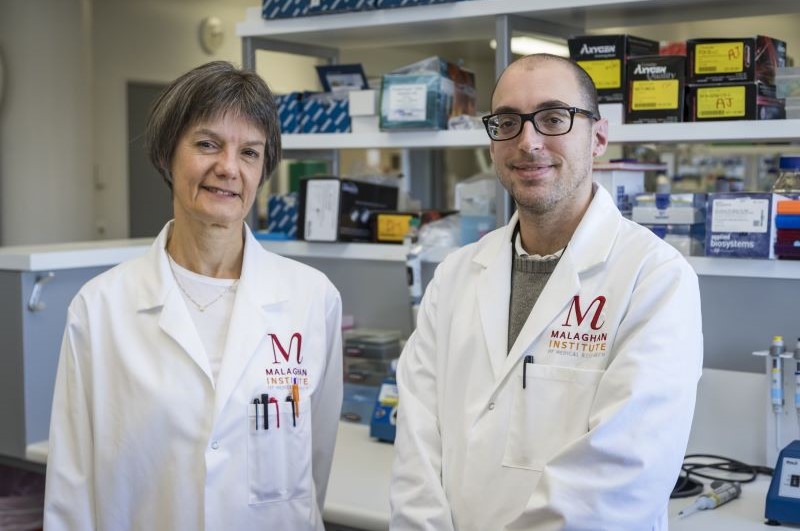
Malaghan: Tracking allergies to their source
July 2025: Research from the Malaghan Institute has added an important piece to the puzzle of allergic disease, showing that cellular signalling molecules, type I interferons, are essential in driving allergic responses in the skin.
Type I Interferons are a family of circulating proteins that are released by cells in response to the presence of harmful organisms, especially viruses. They "interfere" with viral replication by triggering protective defences in nearby cells.
In addition to the role interferons play in fighting viral infections, the Ronchese Laboratory at the Malaghan was one of the first groups to show that type I interferons also play a role in promoting allergic disease in the skin.
"This research builds on our previous work demonstrating that blocking type I interferons reduces the allergic response," says team leader in the Ronchese Laboratory Dr Olivier Lamiable.
"That in itself was surprising at the time, as type I interferons are one of the main signalling molecules needed to fight viruses - not something one would immediately associate with allergies. However, subsequent research by us and other groups around the world have shown that type I interferons are involved in activating dendritic cells."
Professor Franca Ronchese (left) and Dr Olivier Lamiable. Photo: Malaghan Institute.

Lincoln Agritech: Research aims to store more carbon in soil
July 2025: Soil microbes may hold the key to New Zealand meeting its 2030 Paris Agreement carbon sequestration commitments, and a new research programme aims to make that possible.
Lincoln Agritech has been awarded a $1m Smart Ideas grant by the Ministry of Business, Innovation and Employment (MBIE) to investigate adding lost soil microbes to native reforestation programmes to enhance carbon sequestration and improve plant growth.
More than one million hectares of land in New Zealand has been identified as suitable for native reforestation, offering one pathway for the country to meet its Paris Agreement obligations.
However, the original deforestation of this land has had a major impact on the soil microbial community, affecting the soil's ability to store carbon and nutrients. As a result, many seedlings fail to flourish, growing more slowly than plants in healthy soil, which also reduces their ability to sequester carbon.
Led by Lincoln Agritech's Biotechnology Team Leader & Senior Scientist Simon Kelly, the research programme's multi-disciplinary team aims to identify which microbial carbon sequestration pathways are missing from cleared parcels of land.
Photo: Lincoln Agritech.
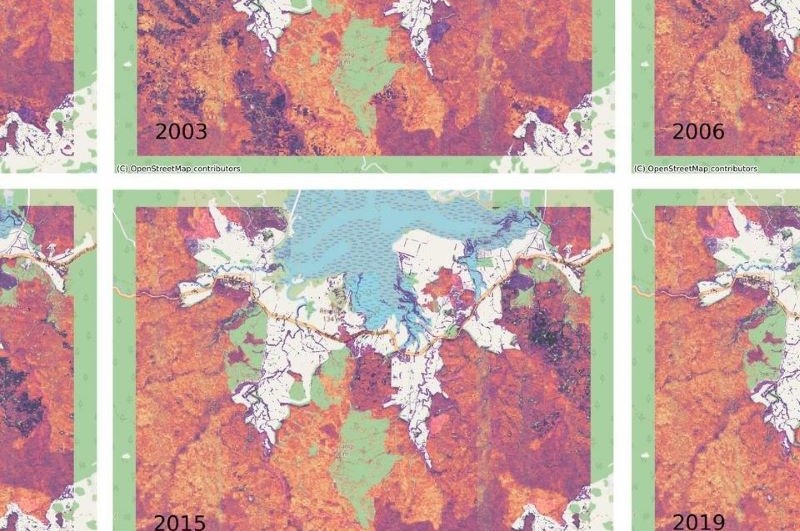
NASA and Dragonfly map the forests of Aotearoa
July 2025: Dragonfly Data Science and NASA are joining forces to map every single tree across Aotearoa, offering a view unlike before - from space.
The three-year, $1-million project, awarded under the Catalyst Fund by the Ministry of Business, Innovation & Employment, will use spaceborne NISAR (L-band and S-band synthetic aperture radar) technology to build a 3-dimensional forest map that measures the height, condition, density, and carbon-storing potential of forests across the entire country.
"There's no hiding from space," says Dragonfly's Director of Data Science, Dr Finlay Thompson.
"For the first time, we'll have nationwide data that are accurate enough to monitor carbon, but also practical enough to support everyday land-use decisions."
Dragonfly will translate NASA's high-resolution satellite data into practical tools for landowners, iwi, farmers, councils, and government agencies. These tools will make it easier, for example, to track forest growth and re-growth over time, and to understand the carbon value of trees.
"You can't value what you can't measure," says Finlay. "This project will give landowners a way to know exactly what their forests are worth, as well as a tool to prove it."
Image: Dragonfly Data Science.
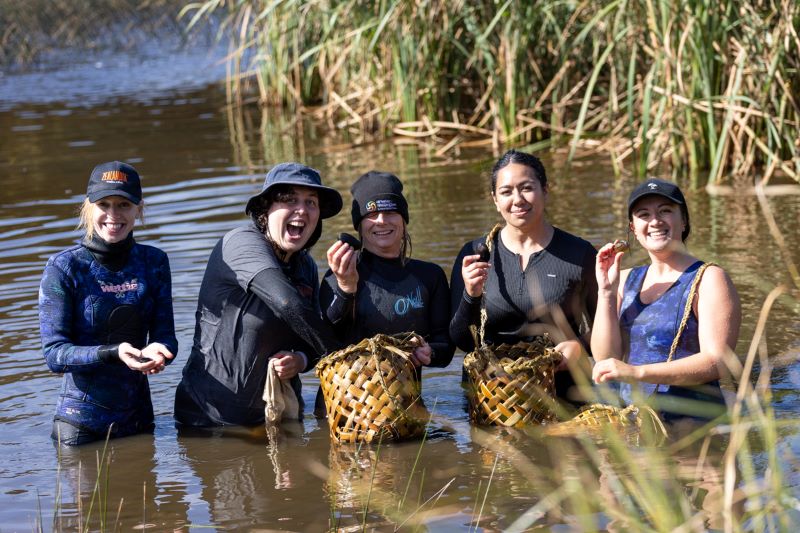
Cawthron: Policy reset for moving freshwater species needed
July 2025: A study just published in the New Zealand Journal of Ecology calls for a wholesale rethink of how Aotearoa New Zealand authorises, manages, and monitors how people move native freshwater fish and invertebrates.
The paper -'Rethinking freshwater translocation policy and practice in Aotearoa New Zealand' - reviews more than three decades of translocation projects and concludes that current systems are 'fragmentary, technically under-resourced, and often fall short of Te Tiriti o Waitangi commitments.'
"Translocations can support mahinga kai, rescue threatened species, and reconnect communities with their awa," said lead author Dr Aisling Rayne of Cawthron Institute, "but without clear, cohesive policy and genuine mana whenua leadership, these efforts risk being ad-hoc and, at worst, harmful."
The paper argues that translocations will only grow in importance as climate pressures shift species' ranges and new tools, such as gamete cryobanking and broodstock surrogacy, become viable. It also warns that poorly planned 'mitigation' transfers can spread pests or distract from habitat protection.
Zealandia Te Māra a Tāne kākahi translocation in 2022. The kete (baskets) were bespoke made in the raukawa style by Te Rōpū Raranga o Manaia (Hikoikoi Weavers). Photo: Manaaki Barrett, Zealandia.
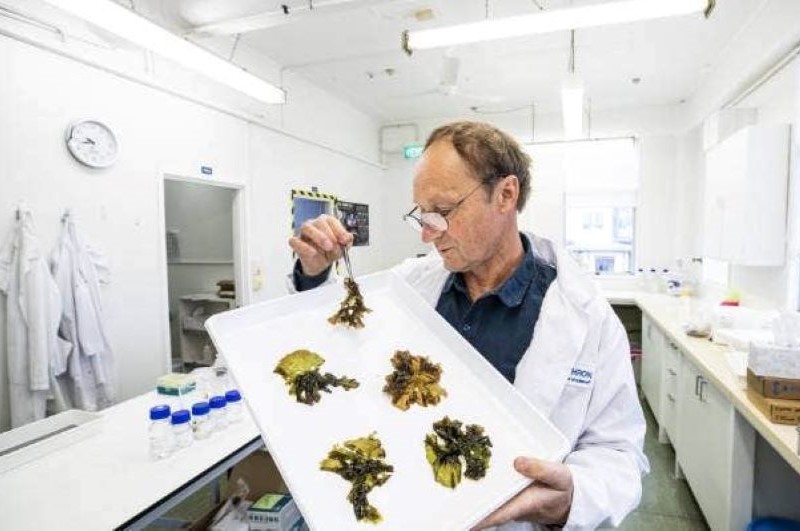
Connections 54 eNewsletter out now
June 2025: Another bumper issue of the IRANZ newsletter is out now. It's chock full of the latest independent science research news from around Aotearoa New Zealand.
Cawthron: How science serves society
BRANZ: World-leading fire laboratory opens
Thousands give feedback in WSP and BRANZ 'loo review'
The role of TTW in seed banking
Lincoln Agritech: Ephemeral rivers and regional aquifers
Aqualinc: We got off lightly, this time
Scarlatti: WorkMate - AI for veterinarians
Bragato trials boost productivity without compromising wine
Dragonfly: Supporting Deckhand
Motu: Mistrust and missed shots - vaccination decisions
Mātai: Prostate cancer funding helps 100 Gisborne-Tairāwhiti men
Malaghan: Shedding light on allergic response
Gillies McIndoe: Drug repurposing research gains national attention
TTW and Ahikaea secure funding to lead Māori disaster resilience
BRANZ: Average section price drops to lowest in nearly 3 years
. . . And much more.
Dr Tom Wheeler with seaweed samples in Cawthron Institute's Whakatū Nelson laboratories. Photo: Cawthron Institute.

IRANZ June news briefs
June 2025: Follow the link for more details on the June 2025 news briefs from our Independent Research Organisations.
- ClimSystems' Dr Peter Urich outlines path to climate resilience through data and GIS
- Mackie Research: Human Factors in the Land Transport System Short Course
- Mātai Summer Internship Programme now open for applications
- Malaghan visiting researcher: Associate Professor Timothy Hand
- Cawthron: Stories, not just statistics, will save environment
- Lincoln Agritech: Annual Review 2024 highlights innovators
- Malaghan: Brain and immunity
- Malaghan CAR T-cell cancer therapy trial expands to Christchurch and Auckland
- Motu Research: Cost-benefit behind $10b Northland highway called into question
- Cawthron & iwi partners secure support for seaweed research
- Lincoln Agritech: Scientists selected for expert panel
- Lincoln Agritech: Researchers & iwi gather for project
- ...and much more.
Two Lincoln Agritech scientists, Senior Research Scientist/ Senior Hydrogeologist Helen Rutter and Hydrogeologist Scott Wilson, have been selected to join an advisory panel supporting Taumata Arowai, New Zealand's Water Services Authority. Photo: Lincoln Agritech
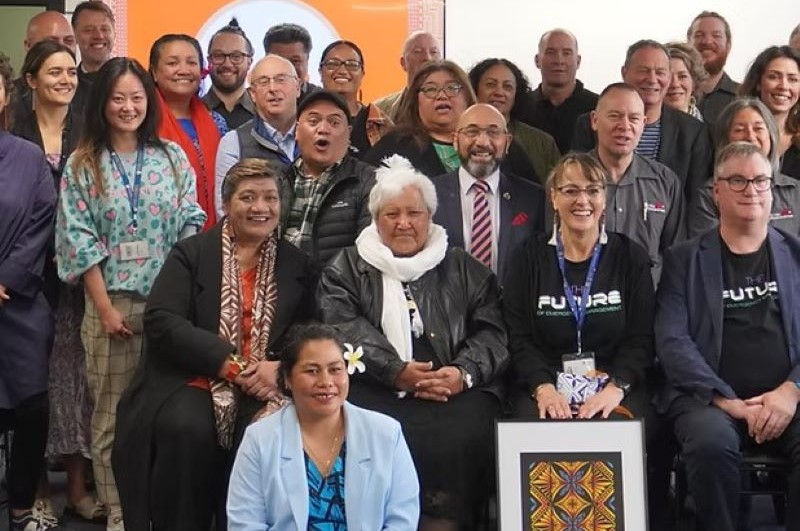
TTW and Ahikaea secure funding to lead Māori disaster resilience
June 2025: Te Tira Whakamātaki, in partnership with Ahikaea, has received support through the 2025 Te Pūnaha Hihiko: Vision Mātauranga Capability Fund (VMCF) to establish a National Māori Disaster Practitioners Network known as Hono.
The project - Community-based emergency management: Mobilising disaster science for effective Māori response and recovery - responds to the increasing impacts of climate-related disasters on Māori communities and the need for culturally grounded, community-led responses.
Cyclone Gabrielle and other recent disasters exposed gaps in Aotearoa New Zealand's emergency management system. While Māori communities were quick to respond, their knowledge, leadership, and capability are often excluded from official systems. This project addresses that gap, creating space for Māori to lead, and integrating disaster sciences to build a more inclusive and effective emergency management approach.
Led by Melanie Mark-Shadbolt (Ngāti Kahungunu, Ngāti Porou, Te Ātiawa) and Hinemoa Kātene (Ngāti Toa Rangatira), the initiative will develop a culturally grounded disaster framework through deep engagement with iwi, hapū, and marae.
Hono is Aotearoa NZ's first Māori-led emergency management network, created to support whānau, hapū, and iwi to prepare for, respond to, and recover from disasters and emergencies. Photo: Te Tira Whakamātaki.

Gillies McIndoe: Drug repurposing research gains national attention
June 2025: Gillies McIndoe PhD student Freya Weth's research into drug repurposing for cancer treatment has gained national media attention, featuring in The Listener article “Old drugs, new tricks”. Her review, published in the British Journal of Cancer, explores how combining existing medications, originally developed for other conditions, could offer new strategies for tackling cancer's complexity.
Traditional cancer treatments often fail due to the disease's ability to adapt and resist therapy. Freya's work shows how low-toxicity, well-known drugs can be combined in precise ways to create synergistic effects - enhancing efficacy, reducing side effects, and improving accessibility. “Testing in the lab with advanced patient-derived models to discover synergy allows for lower doses, less toxicity, and better outcomes; this approach can improve clinical trial success rates,” she says.
The research identifies key barriers to drug repurposing, including regulatory and commercial challenges, while highlighting the potential to accelerate clinical trial success and make treatments more accessible.
The Listener article also spotlighted Gillies McIndoe's Dr Swee Tan, who is leading a phase II clinical trial using repurposed drugs to treat glioblastoma - one of the deadliest brain tumours.
PhD student Freya Weth. Photo: Gillies McIndoe Research Institute.

BRANZ: World-leading fire laboratory opens
June 2025: The 2023 Loafers Lodge fire in Wellington, which claimed five lives, underscored the urgent need for better fire safety in New Zealand's increasingly dense and complex housing landscape.
Now, BRANZ has officially opened a world-leading fire testing laboratory at its Porirua campus - delivering a major step forward for fire resilience and building safety. Launched on 17 June by Minister of Science, Innovation and Technology Hon Dr Shane Reti, the new facility offers some of the most advanced fire testing capabilities in the Southern Hemisphere.
At a time of rising fire risk, driven by hotter, drier conditions and a shift to denser housing and new construction technologies such as mass timber and offsite modular builds, the lab enables full-scale testing of fire performance in buildings up to three storeys - and simulates fire spread in much taller structures. It provides climate-controlled testing, large furnaces, and systems to test everything from façades to fully built tiny homes.
BRANZ Chair Nigel Smith said the lab strengthens both public safety and industry capability, while Chief Executive Claire Falck emphasised the role of science in the building sector. "The fire lab enables us to deliver new science and insights to help prevent fire tragedies, support innovation, and provide the confidence that buildings will perform when faced with a fire emergency.”
Minister Dr Shane Reti, left, is given an overview of the fire lab complex. Photo: BRANZ.

Motu: Minimum wages and wage inequality in New Zealand
June 2025: Minimum wages and fairer pay: What changed in New Zealand since 2000?
How much can raising the minimum wage reduce inequality? In this paper, Motu researchers Dean Hyslop, Dave Maré, and Lily Stelling explore how sharp increases to New Zealand's minimum wage - more than 75% in real terms for adults and over 200% for teenagers - have shaped the wage landscape since 2000.
Wages rose across the board, but the biggest gains were for the lowest-paid workers. Wages at the 5th percentile grew by up to 66%, while those in the top half of the wage distribution grew steadily by around 30%. This resulted in substantial compression of the wage distribution - the difference between middle and low earners (10th percentile) shrank by 28%, and overall wage inequality (measured by the standard deviation) dropped by 16%.
Using a well-established method to disentangle the drivers of this shift, the researchers found minimum wage increases account for most of the reduction in inequality - about 90% of the compression in the lower tail, and 70% of the overall drop in wage dispersion. Shifts in workforce characteristics and how the labour market rewards them had smaller effects. Some patterns remain unexplained - particularly the growing number of workers earning between the minimum wage and the median wage.
Photo: Planet Volumes, Unsplash.
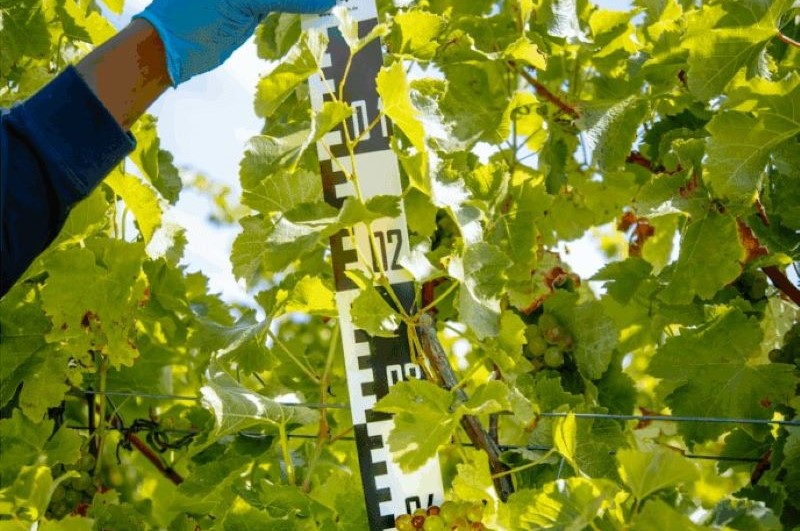
Rethinking the vine: Bragato trials boost productivity without compromising wine
June 2025: The main goal in vineyard management is to grow high-quality grapes that make great wine - and to do so in a way that makes financial sense. With production costs rising, grape growers are under pressure to find new and more efficient ways to manage their vineyards. But cost savings cannot come at the expense of wine quality.
Bragato Research Institute (BRI), the research arm of New Zealand Winegrowers, explored alternative winegrowing systems through the pilot phase of its Next Generation Viticulture (NGV) programme.
Researchers Dr Paul Epee, Ngarita Warden, and Dr Fang Gou report on the results of winemaking and sensory trials.
Six alternative vine training systems were trialled on five grape varieties across three Marlborough vineyards, aiming to maintain or improve yield while lowering management costs. One standout system, the 6VCane (six vertical canes), consistently performed well.
To ensure wine quality wasn't compromised, grapes were vinified at the BRI Research Winery, where their chemistry and sensory qualities were analysed. The linked article presents the winemaking and wine quality results for Sauvignon Blanc grown at the lower Wairau (Rapaura, Blenheim) trial site.
Moderate vigour shoot on a 6VCane vine. Photo: Bragato Research Institute.
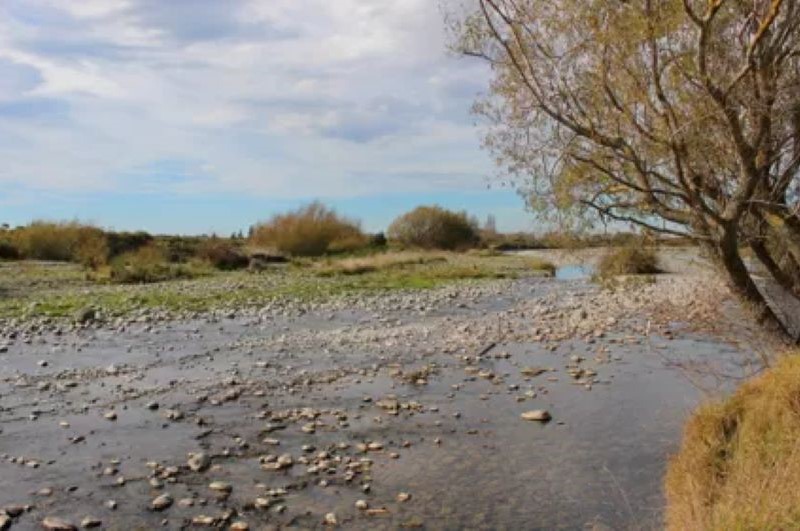
Lincoln Agritech: Ephemeral rivers and regional aquifers
June 2025: Lincoln Agritech researchers have developed a method that reveals how much ephemeral rivers recharge regional aquifers, using satellite imagery. And they can extrapolate back in time to reveal historical recharge rates from historical flow data.
Ephemeral rivers regularly, and naturally, dry up over part of their course for part of the year. They are a particularly important source of groundwater recharge in regions where water is scarce - something that could possibly increase with climate change. The research studied the Selwyn/Waikirikiri and Orari rivers in Canterbury.
Researchers Antoinne Di Ciacca, Lucille Knight, Maxime Brand, Patrick Durney, Scott Wilson and Thomas Wöhling, collated hourly average flow rates in the two rivers from data collected between 2010 and 2023.
Using satellite imagery, they showed precisely where the rivers dried up (the drying front) under different flow conditions. By comparing the drying front location and the flow data they were able to derive a formula that accurately reflects the amount of groundwater recharge.
Using that information, they then trained statistical models to predict total groundwater recharge between 1983 and 2023. They could not detect any noticeable influence of climate change, but the driest years did correlate with El Niño weather patterns.
Selwyn River/Waikirikiri, Canterbury. Photo: Lincoln Agritech.

Scarlatti: Unpacking AI assessment - tackling common misconceptions
June 2025: Scarlatti Research Manager Phoebe Gill continues her series about the use of AI in Education. In this article she tackles common misconceptions around AI.
As AI tools become more common in education, misconceptions can shape how learners and educators respond. Scarlatti is working to clarify what AI can and can't do when used for assessment.
One common myth is that AI is either completely unbiased or highly biased. In reality, AI reflects the data it's trained on - including historical biases. Newer models show reduced demographic bias, but regular, context-specific audits remain essential.
Another misconception is that AI is always right (or always wrong). AI's accuracy has improved, but mistakes often come from vague rubrics or missing context. Human educators still play a key role in applying judgement and checking results.
Privacy is also a concern. Many now fear AI tools will misuse data. However, models like Claude and ChatGPT allow users to opt out of data sharing, and Scarlatti's agent is securely connected via API with no user data used in training.
Finally, some believe AI is just a cost-cutting tool. While it can reduce costs, its real potential lies in reimagining assessment - making it more practical, interactive, and aligned with real-world skills.
Image: Scarlatti.
Motu: Mistrust and missed shots - vaccination decisions
June 2025: Vaccines are an essential and cost-effective public health intervention playing a pivotal role in safeguarding populations from infectious diseases. Their swift development and deployment against the SARS-CoV-2 virus helped to contain the spread and severity of the COVID-19 pandemic, preventing an estimated 3.2 million additional deaths and 18.5 million additional hospitalisations in the US alone.
So, why do some people delay or refuse vaccines? Motu researcher Amelia Blamey and co-author Ilan Noy have uncovered a compelling link between trust and COVID-19 vaccination decisions.
Drawing on a dataset of over 22,000 New Zealanders from the 2014-2018 General Social Surveys, the researchers link people's reported trust in seven areas including Parliament, police, health, education, media, and the general public, to their later COVID-19 vaccination behaviour.
The findings are clear: higher trust correlates with lower vaccine hesitancy. People who trust more - especially the police - tend to get vaccinated faster and are less likely to refuse a vaccine. The link is weaker for trust in media, but remains significant across all domains.
By understanding how trust affects vaccine choices, New Zealand can build more effective public health campaigns and respond better to future pandemics.
Photo: Ed Us, Unsplash.
Scarlatti: WorkMate - AI for veterinarians
June 2025: Scarlatti Research Manager Phoebe Gill writes about the use of AI in Education in an ongoing blog series. In this article she interviews Ingenum co-founder Tom Brownlie about their development of WorkMate - an AI tool for veterinarians.
Tom's career spans education and veterinary practice - from lecturing at Massey University to managing rural services at LIC and working as a practising vet. Now, he's helping frontline vets harness AI through WorkMate - an intelligent assistant designed to reduce admin, improve clinical decisions, and track disease outbreaks.
Vets simply speak or type a consultation summary, and WorkMate connects to clinical literature and anonymised case data to generate a clinical summary, treatment plan, invoice, and care instructions. It supports fast-paced work and neurodiverse users, including those with dyslexia.
“WorkMate is designed for veterinarians. At first glance, those in VET (Vocational Education and Training) may wonder, why should an AI tool for veterinarians matter to us? We argue this is because WorkMate is an ideal case to learn from - it shares many technical similarities to an AI agent for oral assessment, plus it is a unique example of a mature AI product built in New Zealand."
Tom Brownlie (right) and Christopher Liang, co-founders of Ingenum, a veterinary data science company creating an innovative AI model focused on animal disease detection. Photo: Scarlatti.
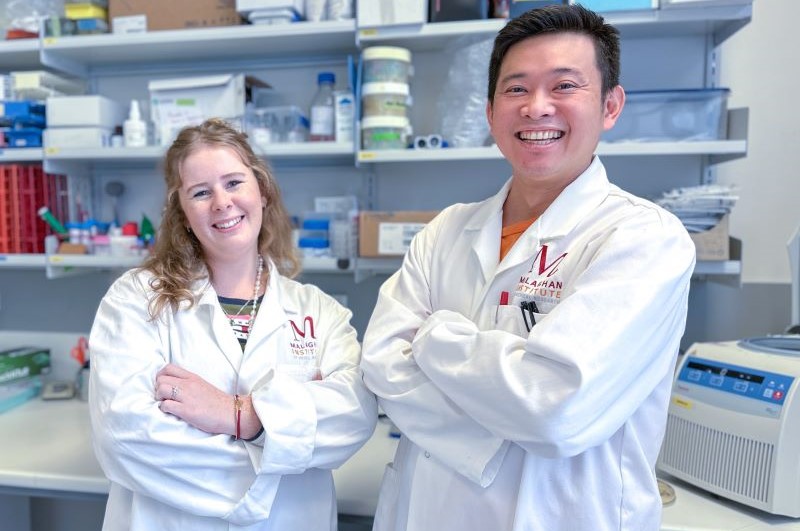
Malaghan: Shedding light on allergic response
June 2025: New research from the Malaghan Institute has offered insight into how allergic responses are sustained in the skin, identifying key signalling pathways involved in replenishing allergy-inducing dendritic cells. Disrupting this cycle could offer a new way to interrupt allergic responses and provide relief for people living with allergic diseases.
Dendritic cells are an essential component of the immune system. These 'sentinels' patrol the body, constantly sampling the environment for signs of infection or damage. When they detect pathogens, such as a bacteria or viral particle, they engulf them, travelling to the nearest lymph node to present their findings to T-cells, which then launch an appropriate immune response.
However dendritic cells can also present harmless things like pollen, peanuts, or soy to the immune system as if they are as harmful as a virus, kicking of an allergic response - a process that typically first develops in early childhood and can continue throughout the lifetime.
“Previous research in the Ronchese lab found that there is a steady population of allergy-inducing dendritic cells in the skin. The development of these cells is supported by a chemical signalling molecule called IL-13,” says Senior Research Fellow Dr Sotaro Ochiai.
Ronchese Laboratory team members Abbie Larson and Dr Sotaro Ochiai. Photo: Malaghan Institute of Medical Research.

BRANZ: Average section price drops to lowest in nearly 3 years
June 2025: House prices are becoming more affordable, with section prices down 15% ($35,000) from their mid-2022 peak. However, the high cost of building continues to make new builds inaccessible for many, according to the latest data from the Building Research Association of New Zealand (BRANZ).
These findings have been drawn from BRANZ's new data tool BRANZ Build Insights - the first of its kind to bring together reliable economic insights from across the building sector.
The latest quarterly data (January-March 2025) reveals that the average price for a section and new standalone house is down 4.1% to $1,018,000 - $43,000 less than the previous quarter (October-December 2024).
However, this remains substantially more expensive (+$201,000) than buying an existing home.
A driving factor for this is that house build prices have continued to increase in recent years and at nearly twice the rate of inflation. Latest estimates show that building a basic 200m2 home, which would have cost just over $650,000 in mid-2022, will now cost $777,000. This is nearly a 20% increase over a time when general inflation rose 12%.
BRANZ Build Insights is a new tool to track building system data. Image: BRANZ.

Cawthron: How science serves society
June 2025: The Cawthron Institute hosted the 82nd Annual Thomas Cawthron Memorial Lecture on Monday 9 June in Nelson, featuring the internationally renowned New Zealand science leader Sir Peter Gluckman as keynote speaker.
At a time when the world faces a range of global challenges — from climate change and geopolitical tensions to rapid technological disruption — the need for science that truly serves society has never been more urgent.
New Zealand has long celebrated ingenuity, but is relying on outdated ideas and underfunded science. Other countries are investing in science and innovation to solve pressing problems, while New Zealand risks falling further behind if no action is taken.
Globally, the science community faces its own set of challenges. Science diplomacy must evolve. To rebuild trust and make a real impact, science needs to be more transparent, more connected to society, and better integrated into the decisions that shapes a collective future.
Sir Peter, President of the International Science Council, shared his vision for how science can be a trusted partner in building a healthier, more sustainable, and more equitable world.
Sir Peter Gluckman gave the 2025 Thomas Cawthron Memorial Lecture at Cawthron in Nelson on 9 June.

Dragonfly: Supporting Deckhand
June 2025: Deckhand, an iPad application that is used by commercial fishers for reporting their catches, will be supported by Dragonfly Data Science from the beginning of July 2025.
Logbooks are as old as seafaring itself. Deckhand updates the tradition for the 21st Century to give fishers a useful electronic logbook for the wheelhouse - it's a platform designed for collecting critical data in harsh ocean environments. The platform not only monitors catch totals in real time, but also includes maintenance log features and keeps track of engine room tasks, as well as being able to send reports and data to regulators or other endpoints as required.
Dragonfly says they are strong believers in the importance and value of quality data for managing fisheries, and are looking forward to working directly with fishers on data collection.
"Current Deckhand customers do not need to do anything at this stage. Fishserve will continue to help you as usual during June 2025, and your queries can be directed to their support team at 04 460 9555."
Deckland is an application designed for collecting fishing data in harsh ocean environments where workers are doing mission-critical tasks and often lack basic connectivity. At sea, little time can be spent navigating computer interfaces and learning data collection techniques, so Deckhand is designed to make is easier. Photo: Dragonfly Data Science.
Cawthron: Tackling ciguatera poisoning in the Pacific
June 2025: Leading scientists, public health officials, and marine researchers from across the Pacific gathered in Nelson in late May for the International Symposium on Ciguatera Poisoning, hosted by Cawthron Institute and funded by the French Embassy in New Zealand via a Fonds Pacifique project with partners from the Institut Louis Malardé from Tahiti.
Running from 19-22 May 2025, the symposium brought together representatives from more than a dozen countries and territories, including New Zealand, French Polynesia, New Caledonia, Fiji, Tonga, Kiribati, Wallis and Futuna, Vanuatu, the Cook Islands, Australia and Japan. The event was focused on deepening global understanding of Ciguatera Poisoning (CP) - a foodborne illness caused by eating reef fish and other organisms contaminated with ciguatoxins - and advancing coordinated strategies to monitor, predict, and mitigate its impacts.
“Ciguatera is a growing threat to food security, livelihoods, and public health in Pacific communities, particularly as ocean temperatures rise and harmful algal blooms become more widespread,” says Dr Kirsty Smith, Manager of Molecular and Algal Ecology at Cawthron.
Taarai Abere, Ministry of Fisheries & Marine Resources Development, Kiribati. Photo: Cawthron Institute.
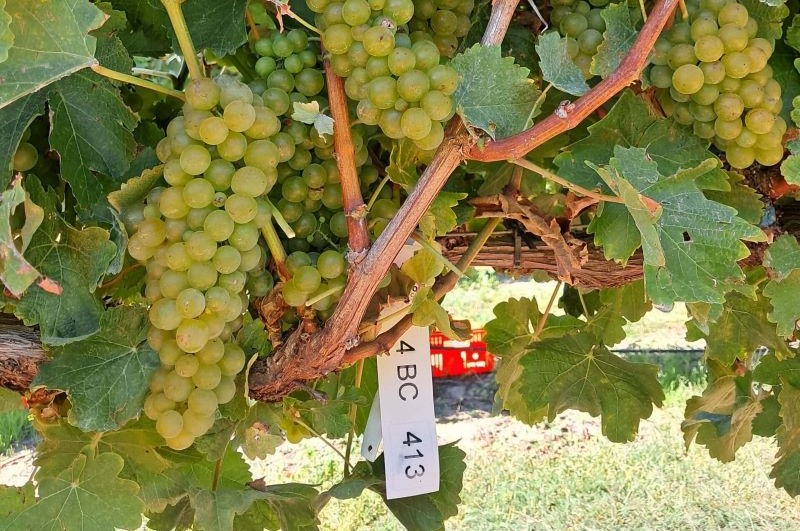
Bragato: Marlborough long-spur pruning trial
June 2025: In vineyards, the pursuit of more efficient growing systems is ongoing, often driven by advancements in machinery and the emergence of innovative technologies. However, long-term improvements typically require substantial upfront investment, and rising costs across all areas of vineyard operations have made implementation increasingly challenging. As a result, growers are placing greater focus on strategies that deliver immediate cost savings, to maintain profitability.
Winter pruning alone accounts for approximately 35% of total vineyard expenditure, so small improvements in this area can significantly impact financial outcomes. Since 2021, Bragato Research Institute (BRI) has been monitoring a two-cordon long-spur pruning trial on Marlborough Sauvignon Blanc, comparing it to the traditional four-cane VSP system in terms of vine performance, wine quality, and overall viability.
In the 2025 season, like many vineyards across the Marlborough region, two trial sites delivered outstanding yields in all treatments, approximately 50% higher than the average of previous years. This exceptional yield was driven by increases in bunch numbers, bunch weight, berry numbers and berry mass.
Sauvignon Blanc grapes from the long-spur pruning trial, 2025 season. Photo: Bragato Research Institute.

Demand grows for specialised WSP thermal test
June 2025: Demand for a specialised thermal test is growing at WSP's research laboratory in Wellington, with technicians crunching the numbers on how soil, sand, gravel, concrete and other construction materials resist heat flow.
Known as the thermal resistivity test, it's linked to underground high voltage electrical cabling explains WSP team leader for testing services Zac Francis.
The test is recommended anywhere high voltage cables are placed underground - especially in areas with pumice and other volcanic materials, which transfer heat more easily.
Zac says understanding the thermal behaviour of ground conditions can help prevent short circuits, service disruptions, and even energy blackouts.
With dozens of infrastructure projects lined up for fast-track consenting, demand for the test is growing, with most demand coming from wind and solar farms, as well as electrical sub-station projects.
“It's busy and getting busier. Thermal resistivity tests now account for about fifty percent of our Wellington lab's soil-related work.”
High voltage cables being placed underground. Photo: WSP.

Aqualinc: We got off lightly, this time
June 2025: In the May issue of Canterbury Farming newspaper, Andrew Dark reviews the 2024/2025 irrigation season. The article is also reproduced on Aqualinc's website.
"In Canterbury we've been fortunate to have been spared from the drought conditions that have been experienced over the 2024/25 summer in the top of the South Island and parts of the North Island, although parts of North Canterbury have been very dry at times.
"The 2024/25 irrigation season started off looking like we may have been heading into a drought, with November standing out as having above-average temperatures and rainfall well below average. This changed around Christmas/ New Year (as anyone who tried to have a summer holiday in Canterbury will know) with a period of above-average rainfall. February was dry but near average temperatures meant that evapotranspiration wasn't excessively high, March/ April have been back to above-average rainfall.
"On the supply side of the equation, we headed into summer with groundwater levels below average in many parts of Canterbury, which resulted in constrained supplies for some water users with resource consent conditions linked to groundwater levels..."
Canterbury braided river system. Photo: Aqualinc Research.

Mātai: Prostate cancer funding helps 100 Gisborne-Tairāwhiti men
May 2025: Around 100 men in Gisborne-Tairawhiti have benefited so far from funding, from philanthropic contributions and from the Perpetual Guardian Foundation's Medical Research Fund, that supports an advanced approach to prostate cancer diagnosis.
Prostate cancer is the most commonly diagnosed cancer in New Zealand, and there are significant disparities in terms of diagnosis, treatment and outcomes. The funding pathway has so far enabled more accurate scans of the 100 men in this district and is part of a joint funding effort that is helping to pave the way to potentially save thousands of lives.
The ongoing project at the non-profit Mātai Medical Research Institute in Gisborne-Tairāwhiti uses advanced MRI techniques to improve how prostate cancer is diagnosed.
“Men living in rural locations face higher mortality rates from prostate cancer and have lower screening rates, less intensive diagnostics, longer wait times, and later diagnoses,” says head of radiology Te Whatu Ora Tairawhiti and Matai clinical lead Dr Daniel Cornfeld.
Dr Daniel Cornfeld. Photo: Mātai Medical Research Institute.

The role of TTW in seed banking
May 2025: In this article about Te Tira Whakamātaki's role in seed banking, M. Bissett writes about Aotearoa New Zealand's struggling seed-banking initiatives, and the importance of a seed conservation strategy.
"Did you know the rarest plant in the world is right here in Aotearoa? There's only one kaikōmako manawatāwhi left in the wild and it's on Manawatāwhi Island. Of course, that's not a Guiness World Record to be proud of. Aotearoa has over 2,500 plants and more than 80% are endemic. But due to deforestation, agriculture, human activity, and the taking of seeds and plants to put in gardens, more than 15% of our plants are threatened and 30% more are at risk. That's a massive problem.
"One way to save these taonga is through seed banking. Seed banking is a process of safeguarding plants in the event of a catastrophe or disease that could threaten the plants, and seed banks are the purpose-built storage facilities that house those seeds, keeping them safe and ready to germinate in case the plant dies out in the wild, or there is a need to improve genetic diversity in a population because of disease or a catastrophe including climate change."
Kōtukutuku flower. Photo: Te Tira Whakamātaki.
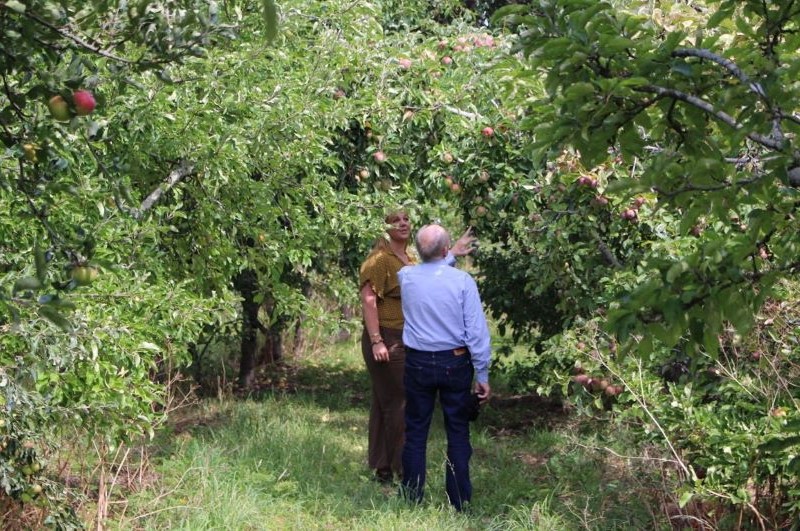
Lincoln Agritech tackles apple challenges with European collaboration
May 2025: New Zealand's horticultural sector, particularly its globally significant apple industry, faces ongoing challenges in maintaining fruit health and quality. Addressing these concerns often requires new approaches and strategic partnerships, such as those that Lincoln Agritech has formed within the STELLA project.
STELLA research uses advanced digital technologies to develop and implement enhanced plant health management, including early disease detection, comprehensive territory surveillance, and effective phytosanitary measures. When preparing the project proposal, STELLA contacted New Zealand colleagues who also work in this digital area. As a result, the project now includes apple production, creating a win-win situation for the European project consortium and New Zealand's horticultural research and development efforts.
For Lincoln Agritech's researchers, the project has established a valuable collaboration with international researchers at leading European universities and research organisations.
Article author and Lincoln Agritech Principal Science Advisor Dr Armin Werner investigates an apple orchard. Photo: Lincoln Agritech.

Thousands give feedback in WSP and BRANZ 'loo review'
May 2025: Thousands of people have had their say on the state of public and commercial bathrooms, with results from WSP and the Building Research Association of New Zealand's (BRANZ) 'loo review' now in - and the findings offer strong evidence for change.
More than 3,000 people took part in the survey, part of a WSP study commissioned by BRANZ that also included a literature review and targeted stakeholder consultation. The aim was to assess whether bathrooms in public and commercial buildings - such as libraries, sports centres, museums and eateries - are meeting people's needs.
And, for many, they're not.
One in five respondents said public bathrooms don't meet their needs, a figure that jumps to nearly half for those with a disability.
WSP team leader for human factors and social sciences Leoni McKelvey says the feedback paints a clear picture of what's working - and what isn't.
Obviously a topic that has piqued the public's attention - thousands took part in the 'loo review'. Photo: WSP.

Cawthron: Stories, not just statistics, will save environment
May 2025: Cawthron Institute Freshwater Ecologist Dr Kati Doehring writes about the power of scientific story telling in this opinion article from the institute.
"Scientific data is essential for understanding the state of our environment, but numbers alone rarely move people to action. To truly connect with the public and spark meaningful change, we must bring data to life through storytelling.
"I have seen first-hand how a well-told story can shift conversations, open minds, and bridge the gap between complex science and public understanding. Data tells us what is happening, but stories help us understand why it matters. Take our rivers, for example. Water quality statistics can be confronting, yet impersonal. When I hear the story of a river that once supported thriving ecosystems and sustained whānau, now degraded by pollution or climate pressures, I do not just see a number, I feel the loss. That emotional connection is what turns information into a call to action.
"I am heartened to see the government embracing this approach in their environmental reporting over the last couple of years."
Dr Dr Kati Doehring. Photo: Cawthron Institute.

Motu: Putting children at the centre seminar
May 2025: Join Motu Fellow Jaimie Monk for a Motu Public Policy Seminar on Wednesday, 28 May 2025, 12.00pm-1.30pm, where Jamie will present findings from her latest report, drawing on data from the Growing Up in New Zealand study to examine children's behavioural development. Her presentation will explore:
- how family income affects children at different stages of development,
- the impact of technology use on New Zealand children's behavioural development,
- the role of housing in shaping developmental outcomes.
The presentation will be followed by a panel discussion and audience questions. The panel will be chaired by Motu Senior Fellow Arthur Grimes, and feature:
- Dr Jin Russell, Clinical Chief Advisor: Child and Youth, Manatū Hauora - Ministry of Health
- Hannah Kerr, Director, Child Wellbeing and Poverty Reduction Group, Ministry of Social Development
- Jacqui Southey, Research Director, Save the Children New Zealand
Photo: Getty Images, UnSplash.
Cawthron & iwi partners secure support for seaweed research
May 2025: Cawthron Institute and iwi/hapū research partners are celebrating the success of two mātauranga Māori focused research projects that have secured funding through the 2025 Vision Mātauranga Capability Fund (VMCF), administered by the Ministry of Business, Innovation and Employment (MBIE).
The first project, in partnership with Te Rūnanga o Kaikōura, focuses on karengo (a type of edible red seaweed closely related to Japanese nori) found along the Kaikōura coastline. Revered by Māori for generations as a nutritious delicacy and environmental indicator, karengo is now the subject of an innovative research initiative blending mātauranga Māori and ecological science.
The second collaborative project with the Whangārei Harbour Kaitiaki Roopū will enhance collective understanding about increasing rimurimu (seaweed) strandings along the Whangārei coast, which are affecting coastal ecosystems and hapū wellbeing. It will also investigate opportunities arising from these events.
Dr Tom Wheeler with seaweed samples in Cawthron Institute's Whakatū Nelson laboratories. Photo: Cawthron Institute.

Malaghan: Asking the age-old question
May 2025: Getting older. Everyone does it, some more reluctantly than others. Yet despite it being an intrinsic part of the human experience, when it comes to understanding how age affects the body's ability to fight disease, very little attention has been paid. Dr Michelle Linterman hopes to change that.
“Age is the biggest risk factor for any disease,” says Michelle from her office at the Malaghan where she's the institute's newest laboratory head. Having recently returned to New Zealand from the Babraham Institute in Cambridge, UK, she's one of the relatively small number of scientists around the world actively looking into the ageing immune system and how to improve the way it responds to vaccination.
“It doesn't matter what other complications you may have, when it comes to health the impact of ageing trumps everything. Almost everything has an intersection with age and, in research, for the most part, it gets ignored.”
It's now well understood that the diversity between people plays an important role in clinical outcomes. Because differences in things like sex and ethnicity exist, treatments and drugs need to take account these subtle biological, chemical, and physical differences to make effective therapies and cures.
Dr Michelle Linterman. Photo: Malaghan Institute of Medical Research.

Malaghan: Brain and immunity
May 2025: According to Professor Kjesten Wiig, Director of the Malaghan Institute, the future of brain research lies in neuroimmunology. As a trained neuroscientist, she explores how this fast-rising field could transform how we understand neurological disorders like Alzheimer's, Parkinson's and motor neuron disease.
"Few conditions inspire more dread than the creeping shadow of neurodegenerative disease. At times, it feels almost taboo to talk about, perhaps because it touches on something deeper than physical decline. We fear the loss of our mental faculty because it threatens the very core of who we are; our memories, our relationships, our sense of self. What makes neurodegenerative disease more unsettling is just how little we understand about these diseases and how few tools we have to stop them.
"So how can we protect our brains from decline and retain our health for longer? I believe the answer lies in our immune system.
"The brain is a unique organ, isolated from the rest of the body through the blood-brain barrier...”
Professor Kjesten Wiig. Photo: Malaghan Institute of Medical Research.

Lincoln Agritech: Researchers & iwi gather for project
May 2025: Waikato-Tainui and Ngāti Korokī Kahukura formally welcomed and acknowledged the Emerging Climatic Pressures research group last month with a mihi whakatau at Mystery Creek.
Much of the research programme, which is investigating the effects of rising atmospheric CO2 levels on freshwater systems, particularly the Waikato River, takes place in their rohe.
“We are really interested in any and all interactions with our awa, which we see as our tupuna, our ancestor,” says Merekara Warrington, a Ngāti Korokī Kahukura trustee.
“We want to make sure that the awa is being respected, and that the research brings benefit back to the river. We are really there as kaitiaki, or guardians.”
Roland Stenger, principal scientist of Lincoln Agritech’s Environmental Research team, provided a brief overview of the programme. He highlighted that changes in water and sediment chemistry will affect the plants and animals living in the river, which are critically important to mana whenua.
Iwi representatives and Lincoln Agritech scientists are looking forward to a similar event in a year's time to discuss interim results of the research. Photo: Lincoln Agritech.

Connections 53 eNewsletter out now
April 2025: Another bumper issue of the IRANZ newsletter is out now. It's chock full of the latest independent science research news from around Aotearoa New Zealand.
Three IRANZ researchers elected as Royal Society Te Apārangi Fellows
Mātai: Understanding brain pulses
Estendart: New study explores non-surgical eye treatment for vision loss
Gillies McIndoe opens doors to translational research and collaboration
BRANZ study reveals rising indoor summer temps in Kiwi homes
Motu: New modelling reveals impact of Trump's 'Liberation Day' tariffs
WSP: Level crossing driver behaviour
Parliamentary Science Forum: Our blue economy
Cawthron: Action needed to prevent extinction of pāteke on Great Barrier
Bragato: Exploring new ways to grow grapes
Lincoln Agritech: Study reveals drawback of blended fertiliser
Aqualinc: Land use restrictions eased
. . . And much more.
A new Cawthron study has revealed that the remnant population of the endangered pāteke/brown teal on Aotea Great Barrier Island is at serious risk of extinction within the next century. Photo: Louise Thomas.

IRANZ April news briefs
April 2025: Follow the link for more details on the April 2025 news briefs from our Independent Research Organisations.
- Motu: Winners at the 34th Australia New Zealand Econometric Study Group Meeting
- ERL completes dermal irritation study for promising skin treatment
- Malaghan's Kjesten Wiig: Bringing life-changing treatments to life
- Kevin Jenkins appointed to BRANZ Board
- Bragato: Invitation for research proposals
- Cawthron: New Westpac report highlights huge potential of Aotearoa New Zealand's blue economy
- Malaghan visiting researcher: Dr Ian Myles
- Malaghan visiting researcher: Dr Nicholas van Panhuys
- Bragato: Grape Days 2025
- New Motu research helps align different life satisfaction scales
- ...and much more.
Professor Graham Le Gros and Dr Nicholas van Panhuys. Since completing his PhD at the Malaghan Institute in 2007, Dr Nicholas van Panhuys has built an international career researching how allergies develop. He returned to the institute to share his latest findings. Photo: Malaghan Research Institute.

Gillies McIndoe opens doors to researchers
April 2025: The Gillies McIndoe Research Institute in Wellington offers access to specialised lab space, histology services, and a large tissue and cell bank — supporting researchers and biotech innovators working to translate early-stage discoveries into practical outcomes.
Located in Newtown, the Institute's Translational Research Services cater to both academic and commercial users, helping navigate common barriers in development, including limited lab facilities and access to patient-derived materials.
Facilities include PC2-certified labs, a lentivirus-compliant tissue culture room, and shared equipment such as an Incucyte, confocal microscope, and ultra-low temperature storage. A histology suite supports work in biomarker discovery and pharmaceutical research, including H&E, IHC, FISH, ISH, and access to proteomics and metabolomics.
Researchers can also access a wide-ranging tissue and cell bank, with services including tissue digestion and biobanking under approved ethics.
Available on a fee-for-service or collaborative basis, these services help bridge the gap between lab research and real-world application — supporting innovation and enabling new partnerships across the research and biotech sectors.
Lentivirus-compliant tissue culture room. Photo: Gillies McIndoe.

WSP adds to triaxial testing fleet
April 2025: WSP has expanded its national fleet of soil testing technology with the addition of a new automatic static triaxial testing machine in its Petone research lab.
The machine, which arrived from Italy last year, is designed to test the strength of slope materials and their properties. It measures the energy at which soil and aggregates will shear under pressure - letting engineers improve the stability of slopes, retaining walls, and other civil engineering structures.
WSP Petone-based team leader for testing services Zac Francis says the new triaxial machine is a big leap forward in WSP Research's triaxial testing capabilities.
"It's much larger and more sophisticated than anything we've had before, allowing us to work more efficiently, test to additional standards and provide more detailed and accurate results.”
The new machine joins a fleet of fifteen triaxial testing machines that WSP operates across its Wellington, Hamilton, and Auckland labs. While other WSP labs have similar machines, the new one in Petone can handle non-conventional sample sizes and test large aggregate material such as basecourse and subbase.
Petone research laboratory. Photo: WSP.

ERL completes dermal irritation study for promising skin treatment
April 2025: Estendart Research (ERL) recently completed a dermal irritation study in rats, investigating a topical non-antimicrobial product designed to treat superficial skin pyodermas. The study marks an important step in evaluating the product's safety before it can progress to human clinical trials.
Preclinical research like this is essential in the early development of new drugs and medical devices, particularly in areas where artificial intelligence cannot yet replace laboratory testing. These studies provide vital data on how a treatment interacts with the body (pharmacodynamics) and how the body processes it (pharmacokinetics).
At ERL, preclinical studies are a core part of their work, supporting clients in identifying safe starting doses and assessing the potential toxicity of new treatments. By ensuring products meet strict safety standards, these studies help lay the foundation for effective and ethical human trials.
This latest research contributes to the development of innovative, non-antibiotic options for managing common skin conditions, potentially reducing reliance on antimicrobial treatments and helping to combat antibiotic resistance.
Photo: Estendart Research.

BRANZ: Balancing the quality/affordability equation
April 2025: BRANZ CEO Claire Falck identifies the need to balance affordability and quality as among the most pressing challenges facing the sector in 2025.
"Often when we start talking about improving quality standards in the building industry, the default response is 'but what about affordability?' - the concern being that the two concepts are mutually exclusive or 'quality equals expensive'.
"It's not an unreasonable concern, but it is an inaccurate assumption, and I don't think New Zealand has to - or should - choose between the two.
"Every year, we're confronted with news of a range of building flaws and failures. Already in 2025, we've seen stories emerge about overheating townhouses, new weathertightness issues in apartment complexes, blatant non-compliant practices and multi-million-dollar repair costs. There's no question that, collectively, the sector needs to do better because the costs to building and homeowners of putting things right will always far outweigh the cost of getting them right first time."
BRANZ CEO Claire Falck. Photo: BRANZ.

WSP: Level crossing driver behaviour
April 2025: Following WSP's groundbreaking research into the impact of level crossing infrastructure on driver behaviour, a second stage of research has shed new light on how road design can influence safety at these critical intersections.
Between 2010 and 2020, there were fifty-two fatal or serious injury incidents at level crossings across Aotearoa New Zealand. Many of these were at passive crossings, where the only control measures were "Stop" signs.
WSP Research's Joel Burton, who led the study on behalf of KiwiRail, says the first stage of WSP's research highlighted the surprising ways in which infrastructure could shape driver decisions. It found that many drivers simply rolled through Stop signs or failed to properly check for oncoming trains, even when signs were clearly visible. This behaviour was especially prevalent at passive level crossings with poor visibility and no active controls.
“With a clear need to better understand the factors that influence driver behaviour, the second stage of our research, carried out between July 2023 and April 2024, took a more hands-on approach to observe and quantify these behaviours," says Joel.
Typical level crossing signs in New Zealand. Photo: WSP.

Estendart: Newborn calf vaccination pilot study offers hope for early disease prevention
April 2025: Estendart Research (ERL) has completed a two-part pilot study testing a novel vaccine in newborn calves, aiming to improve early disease prevention in calf sheds. Vaccinating calves at birth could significantly reduce the risk of disease spreading during this vulnerable stage.
Calves typically rely on passive immunity passed on from their dams (mothers), which are often vaccinated to protect both themselves and their offspring. However, when cows are unvaccinated or calves receive powdered colostrum instead of natural colostrum, the transfer of immunity may be insufficient. This leaves young calves exposed to a range of fast-spreading, potentially fatal zoonotic diseases, which are costly for farmers to manage.
The pilot study required close observation of heavily pregnant cows, with researchers monitoring around the clock to identify and treat newborns immediately after birth. Once born, each calf was drafted, vaccinated, and sampled for ongoing analysis.
The promising approach trialled by ERL could offer a valuable tool to improve calf health and protect herd wellbeing, especially in situations where natural immunity is compromised.
A calf in the vaccine pilot study takes a rest while being monitored. Photo: Estendart.

Mātai: Understanding brain pulses
April 2025: Groundbreaking research involving Mātai Medical Research Institute and New Zealand collaborators has been featured in a special edition of the UK Royal Society's Interface Focus journal. The issue, emerging from the interdisciplinary Pulsing Brain meeting co-chaired by Associate Professor Samantha Holdsworth (Mātai and University of Auckland), explores how the brain subtly moves with every heartbeat — a phenomenon that may be key to understanding brain health, ageing, and disease.
The lead perspective paper outlines how non-invasive imaging technologies such as MRI, ultrasound, and mathematical modelling are shedding new light on brain fluid dynamics and tissue motion. A standout innovation is amplified MRI (aMRI), pioneered by Mātai, which reveals micro-movements in the brain.
Mātai's collaborative studies also showed that even mild exercise changes brain motion, with implications for understanding concussion and long-term neurological health. Another paper challenged assumptions about brain ageing, showing blood vessel stiffness doesn't increase with age in healthy people.
Visualising brain blood flow with 4D flow MRI: This image shows how major brain arteries are tracked in 3D. The technique reveals how heartbeat pressure waves move through vessels, offering insight into vascular health. Image: Sergio Dempsey (Auckland Bioengineering Institute).

Estendart: New study explores safer, non-surgical eye treatment for vision loss
April 2025: Vision impairment remains a significant global health challenge, with millions affected by conditions such as age-related macular degeneration, diabetic retinopathy, and glaucoma. While several treatment options exist, many have limitations in both effectiveness and long-term outcomes.
A key challenge is delivering medication to the back of the eye, where the retina and macula are located. Current treatments often rely on frequent injections or even subretinal surgery — invasive methods that carry risks and complications for patients.
Estendart Research (ERL) has recently completed a pilot study investigating a promising alternative: a novel, non-surgical suprachoroidal delivery technology designed to administer next-generation retinal treatments more safely and effectively. This approach aims to improve how therapies reach the affected areas in the posterior segment of the eye, potentially reducing the need for invasive procedures.
ERL's research represents a step forward in developing safer, more efficient treatments for vision loss and could play a key role in improving outcomes for patients living with serious eye diseases.
Photo: Eren Li, Pexels.
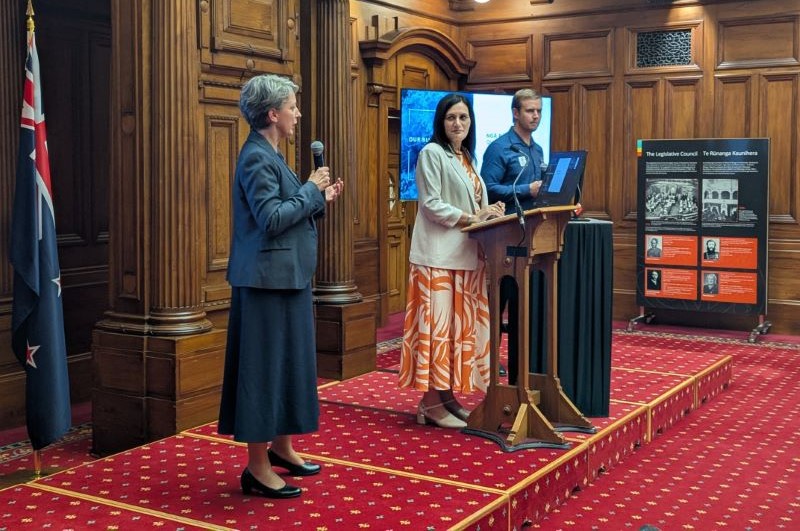
Parliamentary Science Forum: Our blue economy
April 2025: The third event in 2025's Parliamentary Science Forum was held on 1 April. MPs learnt about how aquaculture (fish farming) can feed our growing world. Dr Suzy Black, Plant & Food Research, spoke about farming fish in mobile enclosures and Dr Patrick Cahill, Cawthron Research Institute, spoke about a variety of aquaculture techniques for shellfish and seaweeds.
Patrick, Research Scientist and Marine Biosecurity Team Leader at Cawthron, discussed the potential of aquaculture to grow the New Zealand economy.
"We are currently realising less than 5% of the sustainable biophysical potential for aquaculture in New Zealand. A prosperous, resilient future aquaculture sector calls for diversity and sustainability, with low trophic aquaculture an important component. Low trophic aquaculture is the farming of aquatic primary consumers (e.g., seaweeds) and aquatic primary producers (e.g., shellfish). New Zealand are world-leaders in low trophic aquaculture, exemplified by our iconic Greenshell mussel farming sector. Low trophic species are inherently geared toward high productivity, and by farming the right species we can deliver high value products to domestic and international consumers."
Dr Suzy Black (left) and Dr Patrick Cahill (right) answer MPs' questions with event host Dr Parmjeet Parmar MP (centre). Photo: RSNZ.

Motu: New modelling reveals full impact of Trump's 'Liberation Day' tariffs - with the US hit hardest
April 2025: Wondering about the impact of the Trump tariffs on New Zealand and other countries?
Motu Economic & Public Policy Research Senior Fellow Professor Niven Winchester has estimated changes in countries GDP due to US reciprocal tariffs with the results published in The Conversation magazine. He models two scenarios - GDP impacts with and without retaliatory tariffs by countries.
Under the model where countries respond with equivalent tariffs on US goods - "Some nations gain from the trade war. Typically, these face relatively low US tariffs (and consequently also impose relatively low tariffs on US goods). New Zealand (0.29%) and Brazil (0.28%) experience the largest increases in GDP. New Zealand households are better off by $397 per year.
"The tariffs decrease US GDP by $149 billion (0.49%) because the tariffs increase production costs and consumer prices in the US...At the same time, retaliation leads to a worse outcome for the US.
"Previous tariff announcements by the Trump administration dropped sand into the cogs of international trade. The reciprocal tariffs throw a spanner into the works. Ultimately, the US may face the largest damages."
US President Donald Trump announces “Liberation Day” tariffs.
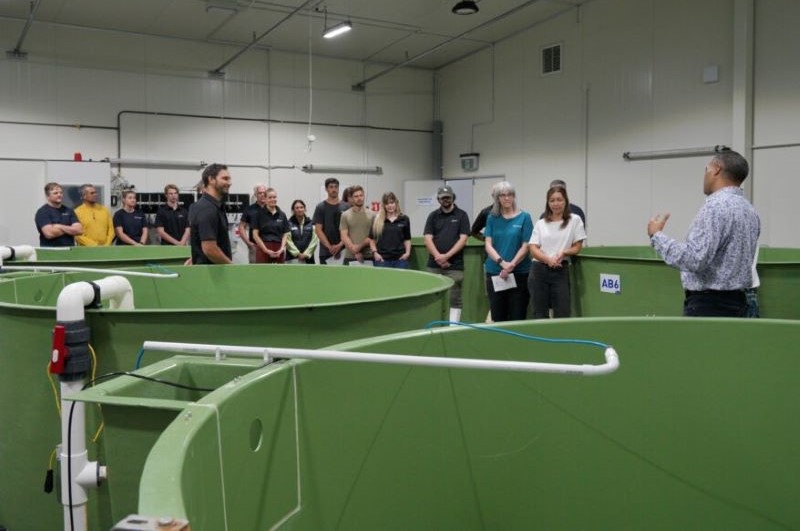
Cawthron: Helping snapper beat the heat
April 2025: Scientists at Cawthron and Plant & Food Research in Whakatū Nelson are collaborating to understand how snapper (tāmure) cope with temperature extremes. The work is part of the MBIE-funded Climate Adapted Finfish research programme, led by Cawthron, which aims to help key species thrive in a changing climate.
More than 1,000 juvenile snapper were recently transferred from Plant & Food Research at Port Nelson to Cawthron's Aquaculture Park in Glenduan. There, they'll be closely monitored under different temperature conditions to assess how they perform.
Programme leader Dr Jane Symonds, Cawthron senior aquaculture scientist, says the trials will help inform future breeding. “We've been running these kinds of studies with salmon for quite some time and recently discovered that thermotolerance is a heritable trait in King salmon - which is great news for future-proofing the species. But we haven't yet done this work for other high-interest species like snapper.”
The research will have implications for aquaculture, wild fisheries, and biodiversity, providing critical insights into how marine species may adapt to climate change.
A group of researchers and technicians from Plant & Food Research and Cawthron Institute gather at Cawthron's Finfish Research Centre for a blessing of the snapper/tāmure. Photo: Cawthron.
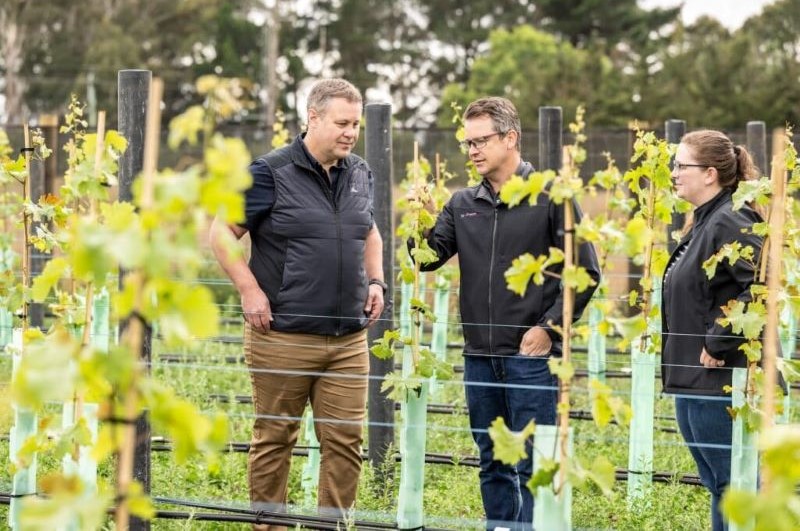
Sauvignon Blanc 2.0: Building the future of resilient vines
April 2025: Bragato Research Institute's Sauvignon Blanc 2.0 Programme is propelling New Zealand's wine industry into the future, aiming to produce the next generation of resilient grapevines. Now three years into its decade-long timeline, the programme combines cutting-edge science, technology, and strategic investment to help vineyards adapt to climate and disease pressures while maintaining competitiveness.
In 2024, researchers successfully generated over 6,000 unique Sauvignon Blanc clones through controlled stress techniques that trigger natural genetic changes. Each vine is digitally tracked from lab to nursery to vineyard, where a new quarantine-managed research site in Lincoln has been established. With survival rates over 97%, the young vines are now poised for the next phase of selection.
DNA extraction and sequencing tools have been scaled up, and bioinformatics workflows are being used to identify promising traits like disease tolerance and drought resistance. A key innovation is the new AI Blackbird robot, capable of scanning hundreds of leaves daily to detect powdery mildew resistance - potentially reducing spray use.
Inspecting plants in the new research vineyard. From left to right: Ross Wise, Darrell Lizamore, and Amy Hill. Photo: Bragato Research Institute.

New Motu research helps align different life satisfaction scales
April 2025: A new working paper from Motu Economic and Public Policy Research offers a practical solution for wellbeing researchers grappling with incompatible life satisfaction scales. Motu researchers Amelia Blamey and Arthur Grimes have developed a distributional matching method to harmonise life satisfaction scores collected on different scales, preserving the relative distribution of responses while respecting their ordinal nature.
The method is demonstrated using two concurrent Stats NZ surveys - one with an 11-point scale and the other with a 5-point scale. The researchers identified an optimal mapping from the 11-point to the 5-point scale as follows: scores of 0-2 map to 1, 3-4 to 2, 5-6 to 3, 7-8 to 4, and 9-10 to 5. This mapping aligns well across most population groups, with only 3.2% of responses falling outside expected ranges.
However, less accuracy was found among marginalised groups, including Asian and Pacific peoples, potentially due to cultural differences in how scales are used.
The study provides a robust, transparent tool to support more meaningful comparisons in wellbeing research across datasets.
Image: Getty Images, UnSplash.
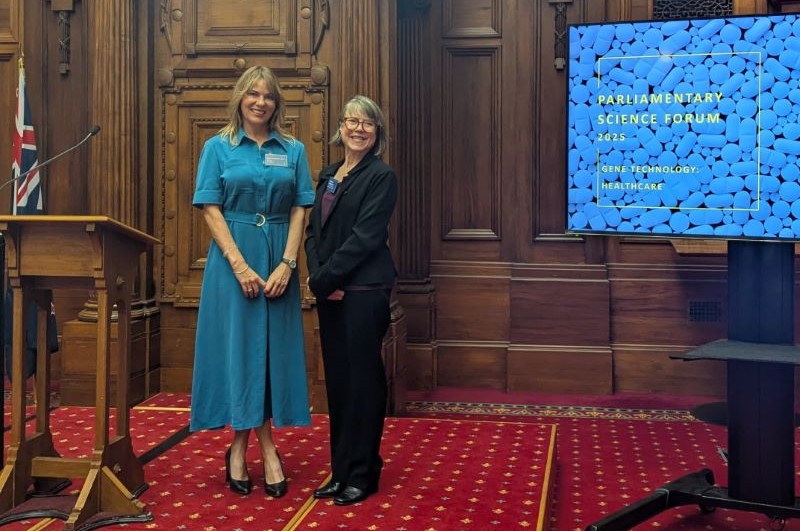
Parliamentary Science Forum: Gene technology in healthcare
April 2025: The second event in 2025's Parliamentary Science Forum was held on 5 March. Dr Hilary Longhurst, University of Auckland, told MPs about upcoming gene therapy to cure rare genetic diseases and Professor Kjesten Wiig, Malaghan Research Institute, talked about arming our immune cells to fight cancer.
Kjesten, the new director of the Malaghan Institute of Medical Research, discussed the institute's ground-breaking research into Chimeric Antigen Receptor (CAR) T-cell therapy and its efforts to give New Zealanders access to this cutting-edge cancer treatment.
She shared the Malaghan's cancer research in the context of its focus on the immune system and its potential to be harnessed to prevent, treat, and cure disease. She spoke on Malaghan's work as an independent charity across fundamental research through to clinical trials and healthcare integration.
The Malaghan is focused on developing technologies that stimulate strong immune responses against cancer cells, through better understanding the way the immune system programmes immune cells to attack tumours.
CAR T-cell therapy is one such therapy - a gene-modifying technology which uses our own immune system to fight cancer.
Prof Kjesten Wiig and Dr Hilary Longhurst at Parliament. Photo: RSNZ.

Mātai study investigates head impacts in young rugby players
March 2025: The Brain-RePAIR research team at Mātai Medical Research has released initial findings on how rugby affects young players' brains. Using advanced MRI techniques, researchers tracked high school rugby players across a season and compared their brain scans to non-contact sports athletes.
The study found no significant changes in the rugby players' brains over the season. However, differences were observed in white matter tracts (neural pathways connecting brain regions) between the two groups. The reasons behind these variations remain unclear. They may reflect natural differences, the effects of repeated head impacts, or even beneficial adaptations from playing sports.
To better understand these findings, researchers aim to expand the study by including more participants. The ongoing Brain-RePAIR study will provide deeper insights into the impact of repetitive head impacts on young athletes, helping to develop strategies to protect players while ensuring they continue to benefit from sports.
White matter fibre tracts (the brain's wiring) examined in the study. Image: Mātai Medical Research.

Three IRANZ researchers elected as Royal Society Te Apārangi Fellows
March 2025: Twenty-three leading researchers, scholars, and innovators have been elected as Ngā Ahurei a Te Apārangi Fellows of the Royal Society Te Apārangi, recognising their excellence across science, technology, and the humanities. Among them are three distinguished members from Independent Research Institutes.
Professor Merata Kawharu MNZM (Ngāti Whātua, Ngāpuhi), Principal of Takarangi Research and Deputy Vice Chancellor Māori at Lincoln University, was recognised for her pioneering work in Indigenous entrepreneurship. A globally respected expert, she has advised bodies such as the UN and UNESCO, influencing climate adaptation, sustainability, and Indigenous development policy.
Professor Paul Young of the Medical Research Institute of New Zealand (MRINZ) was elected for research that has transformed intensive-care medicine globally, including oxygen therapy, fluid resuscitation, and trauma care.
Professor Helen Danesh-Meyer CNZM, a Principal Investigator at Mātai Medical Research, was elected for her world-leading work in ophthalmology and eye-brain research. Her discoveries, such as imaging biomarkers for pituitary tumours and Alzheimer's, are helping diagnose and treat patients worldwide.
Professors Merata Kawharu, Paul Young, and Helen Danesh-Meyer.

Motu: Intergenerational earnings persistence in Aotearoa New Zealand
March 2025: How much do parents' earnings shape their children's future?
Does a child's future income depend on their parents' earnings? Motu Economic and Public Policy Research's latest research explores intergenerational earnings persistence (IEP) in Aotearoa New Zealand using a rich dataset of 288,000 individuals born between 1986 and 1992. By linking these individuals to their parents through administrative records, census data, and household surveys, the researchers uncover patterns in income mobility across generations.
They found that while children inherit some of their parents' economic advantages or disadvantages, this explains only a small part of overall income inequality. Motu's analysis shows that, on average, a child retains about a quarter of their parents' earnings advantage or disadvantage. We also examine how these patterns differ by ethnicity, gender, and employment type, shedding light on broader social and economic forces at play.
This research deepens our understanding of economic mobility in Aotearoa and highlights the role of structural factors — including discrimination and systemic barriers — in shaping opportunities. By identifying where inequality persists, the researchers provide insights that can inform policies aimed at creating a fairer, more inclusive economy.
Adult earnings rates in part reflect parental earnings and ethnicity. Photo: Getty Images.

HERA: Seismic design of moment resisting steel frames
March 2025: HERA has released a newly revised edition of the HERA R4-156 Design Guide for Seismic Design of Moment Resisting Steel Frames (MRSF) - an essential resource for engineers designing seismic-resistant steel structures.
As seismic activity increases worldwide, ensuring the resilience of steel structures is more critical than ever. This update provides engineers with the latest methodologies and insights, improving the safety and performance of buildings in earthquake-prone regions.
Key Updates:
The updated guide is now available for download on the HERA website.
Image: HERA.
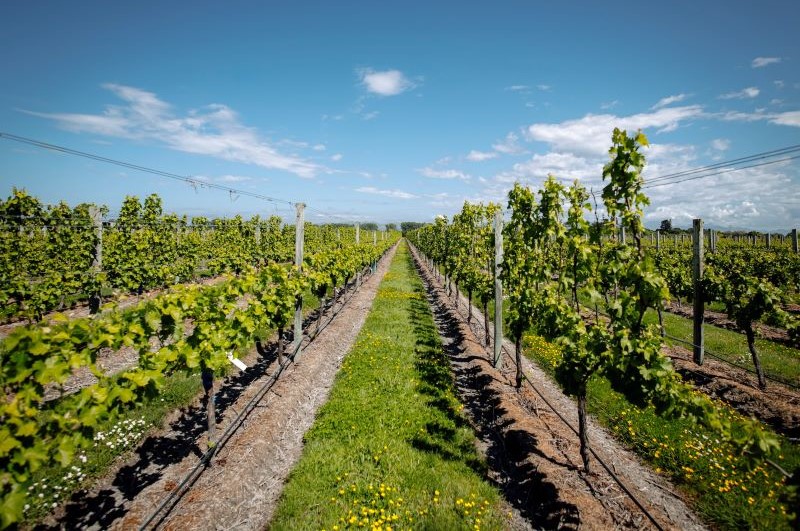
Bragato: Exploring new ways to grow grapes
March 2025: Rising production costs and declining profitability in New Zealand's wine industry have prompted a fresh look at how grapes are grown. As part of the seven-year Next Generation Viticulture (NGV) research programme at Bragato Research Institute, a series of field trials began in winter 2022 across three Marlborough vineyards to explore innovative training systems that could boost productivity while reducing costs.
The trials focused on Sauvignon blanc - New Zealand's flagship white grape - alongside Riesling, Albariño, Pinot Noir, and Lagrein. Six new training systems were compared with the industry-standard head-cane Vertical Shoot Positioning (VSP) system. These alternatives aimed to support more retained nodes, lower management costs, and increase returns.
Early results showed the new systems supported two to twelve times more nodes than the commercial control, developed foliage earlier, and captured more sunlight early in the season. While all systems had similar exposed leaf areas, some produced denser canopies. One system showed particular promise—doubling node retention without affecting budburst or canopy structure. This latest update explores how these systems influenced reproductive growth, fruit maturity, yield, vine balance, biomass, and vigour.
NGV builds on successful ideas from other fruit industries and aims to modernise how grapevines are grown. Photo: Bragato.

Lincoln Agritech: Study reveals drawback of blended fertiliser
March 2025: Of the 720,000 tonnes of fertiliser applied annually to New Zealand pastoral and arable farms, 25% to 35% is blended, containing nitrogen (N), phosphorus (P), and potassium (K) in one product.
While this may appear to offer time and cost savings to farmers, it can also result in uneven crop yield due to irregular spreading.
A three-year Lincoln Agritech project investigating blended fertiliser spread is now providing hard data and insights into what's happening.
“The issue we're trying to solve is there has been repeated striping or streaking in fields of crops, where the fertiliser hasn't distributed uniformly,” says project leader and Lincoln Agritech Agronomist Allister Holmes.
Funded by a Sustainable Food & Fibre Futures grant and co-funded by the Fertiliser Quality Council, Groundspread New Zealand, and Environment Canterbury, the project included field tests in Waikato, Canterbury, and Otago, and analysis of around 20,000 trays of fertiliser. It tested 25 different blended fertiliser lines from multiple companies, broadcast using eight different spreaders.
“The blends had quite different physical characteristics in the North Island and South Island, because, even though they may have the same brand name, they are blended locally,” says Allister.
A trial being conducted in Oamaru. Photo: Lincoln Agritech.
Cawthron: Urgent action needed to prevent extinction of pāteke on Great Barrier
March 2025: A new study has revealed that the remnant population of the endangered pāteke/brown teal on Aotea Great Barrier Island is at serious risk of extinction within the next century. The study has found there is a 46% likelihood of the bird disappearing entirely and a 99% chance of dwindling to fewer than 50 individuals.
The study, lead authored by Cawthron Institute's Dr Finnbar Lee, used population viability analyses and species distribution modelling to investigate the drivers of pāteke decline and the most effective conservation strategies.
Finnbar said the findings highlight the importance of targeted conservation.
“We've known for a long time that pāteke have been struggling, but this research quantifies just how serious the situation is. The key to slowing their decline is protecting adult birds, as our modelling shows this has the biggest impact on population growth,” says Finnbar.
The study also examined pāteke's historical range, revealing that these unique waterfowl were once widespread across much of coastal Aotearoa. This underscores the potential for re-establishing populations in regions where they once thrived.
Pāteke / brown teal. Photo: Louise Thomas.

Aqualinc: Land use restrictions eased
March 2025: Recent updates to the National Environmental Standards for Freshwater (NES-FW) have removed key restrictions, potentially enabling greater flexibility in land use across New Zealand.
From 1 January 2025, regulations around agricultural intensification - including dairy conversions, expanding irrigated dairy land, dairy support land use, and intensive winter grazing - have been revoked. Previously, such activities required resource consent, creating a significant hurdle to intensification, particularly in Canterbury where few applications were lodged.
These activities will now be governed primarily by the Canterbury Land and Water Regional Plan (LWRP), rather than under both the NES-FW and the LWRP frameworks.
In parallel, the National Policy Statement for Freshwater Management (NPS-FW) has also been revised. Consent applications are no longer required to assess against the Te Mana o te Wai hierarchy, which placed the health of water bodies above all other considerations.
The changes mean consent decisions can now focus on managing environmental effects within defined limits, rather than requiring no impact on water resources - a shift that may support more balanced land use decisions.
NES-FW changes do not mean that changes or intensification can occur on farm that may lead to reductions in water quality or will act against achieving nutrient reduction targets. Photo: Aqualinc.

BRANZ study reveals rising indoor summer temps in Kiwi homes
March 2025: As warm temperatures persist across the country, new research from BRANZ shows that indoor summer temperatures in New Zealand homes have increased by 6-10% over the past two decades — more than many people realise.
This trend coincides with outdoor temperature increases of 4-8% over the same period, according to NIWA data. In-home monitoring from 151 homes during summer 2023/24 found average indoor temperatures had risen by 1.3-2.1°C since the original HEEP study 20 years ago. Evening temperatures in both living rooms and bedrooms often exceeded 24°C, with over one-third (36%) of 310 monitored bedrooms classed as 'overheating'.
A companion survey of 425 households found 70% said their home felt warmer than they would like at least some of the time in summer. That's a higher proportion than those who felt their home was too cold in winter (48% vs. 34%).
BRANZ Senior Research Scientist Vicki White cautions on the issue of overheating: “Overheating homes are uncomfortable, can exacerbate health issues and impact sleep, and the issue is becoming more prevalent with climate change”.
Photo: Anna Nekrashevich, Pexels.

Lincoln Agritech: Promising start to search for new battery materials
March 2025: A three-year search to find more sustainable, cheaper, longer-lasting and better-performing battery materials is already showing promising results, one year into the project.
In late 2023, Lincoln Agritech Research Scientist Joseph Nelson received a $360,000 grant from the Marsden Fund to search for new lithium-ion battery compounds, using high-performance computing.
As the move to sustainable electricity accelerates, the world is becoming more dependent on lithium-ion batteries. But the materials needed for those batteries - such as cobalt and nickel - can be rare, environmentally damaging to extract, and subject to fluctuating availability and price because of geopolitical instability.
“We need to sever our dependence on those materials,” says Joseph.
Several research teams around the world are investigating the potential of a few selected compounds, but Joseph is taking a different approach. He's using high-performance computing to investigate hundreds of thousands of possible compounds.
“Since setting up and starting, I've focused largely on the oxide metals. There are already some compounds that show potential.”
Photo: Lincoln Agritech.
Connections 52 eNewsletter out now
February 2025: Another bumper issue of the IRANZ newsletter is out now. It's chock full of the latest independent science research news from around Aotearoa New Zealand.
Science System reforms
Dragonfly: Partnering for blue penguin
Bragato: Battling fungicide resistance in vineyards
Motu: Treasury New Zealand's social discount rate
WSP: Updating the sound of safety
Gillies McIndoe: Research sheds light on glioblastoma treatment
Mātai: Novel MRI study enhances MS detection
MRINZ: Significant reduction in asthma hospitalisations for Māori
Malaghan CAR T-cell therapy trial expands to Christchurch & Auckland
Estendart: Ovine knee model for osteoarthritis treatments
Cawthron: Aeration of Maitai Dam reservoir to improve river health
. . . And much more.
Dragonfly Data Science are collaborating with Ōamaru Blue Penguin Colony on a project to modernise its data management systems, and to learn about the daily lives of little blue penguin or kororā. Photo: Louise Thomas.

IRANZ February news briefs
February 2025: Follow the link for more details on the February 2025 news briefs from our Independent Research Organisations.
- Bragato joint project wins $100k+ to research thiols in white wine
- Motu: Filling the gaps of missing productivity data
- HERA hosts Professor Ian Manchester
- Malaghan: Cancer Research Trust grant to improve CAR T-cell therapy
- Cawthron: Seaweek Science Talk
- Lincoln Agritech internships open new career pathways
- Malaghan Institute and Victoria University 'renew vows' after 21 years of partnership
- 82nd Annual Thomas Cawthron Memorial Lecture
- World-renowned cancer pathologist joins the Malaghan Institute as Distinguished Research Fellow
- Lighting the fire - Lydia's summer internship with HERA
- Cawthron: 2025 Scitec Expo
HERA intern Lydia Frater with Senior Structural Fire Engineer Mayank Shrivastava. Lydia's work has been focussed on supporting the development of innovative tools and cutting-edge research that aim to optimise fire protection and design in structural steel construction. Photo: HERA.

Malaghan CAR T-cell cancer therapy trial expands to Christchurch and Auckland
February 2025: The Malaghan Institute is one step closer to its goal of making CAR T-cell therapy a standard of care in New Zealand as its phase 2 clinical trial opens its doors in Christchurch and Auckland City Hospitals this month.
Clinical Director Dr Robert Weinkove says 'site activation' in Christchurch and Auckland marks a significant milestone for the clinical trial, and means more patients can be treated, closer to home.
“This is an exciting step for this national endeavour, as we prepare the New Zealand health system to deliver this game-changing cancer treatment.”
Chimeric antigen receptor (CAR) T-cell therapy is a personalised cell therapy, in which a patient's own immune cells are reprogrammed to recognise and eliminate cancer cells. The Malaghan Institute started New Zealand's first trial of CAR T-cell therapy in late 2019, with promising results leading to a phase 2 trial, ENABLE-2, at Wellington Hospital getting underway in July 2024.
Within the ENABLE-2 trial, 60 adults with certain types of relapsed large B-cell non-Hodgkin lymphoma will be treated over two years.
Research Officer Felix O'Hagan operating the Cocoon. Photo: Malaghan Research Institute.

WSP: Updating the sound of safety
February 2025: If you've ever driven over rumble strips, you'll know how well they engage the senses. The rhythmic drumming and vibrations are unmissable. Just as well. Technically known as Audio Tactile Profiled Marking (ATPMs), the little plastic ribs alert motorists when they drift from their lane.
Guidance for how ATPMs are used has been updated by the NZ Transport Agency (NZTA) for the first time since 2010. Parts of the new guidance feature research from WSP's road safety and human factors experts.
WSP Petone-based research leader for road safety Bill Frith says ATPMs have been an important feature of New Zealand roads since the 1990s. International studies dating back to 2007 show they have a well attested safety benefit. Latest research from the US, for example, shows they can reduce death and serious injury crashes by up to 22 percent on rural two-lane two-way roads.
"Audio tactile profile markers are a huge win for everyone on the road, helping ensure safer journeys for all,” he says.
A 2012 WSP study features in NZTA's new guidance, highlighting that wider ATPM ribs can improve road safety by increasing visibility. As a result of that work, the guidance recommends a new minimum 150mm width for ATPM ribs.
A rumble strip to warn motorists when they are drifting out of their lane. Photo: WSP.

Gillies McIndoe: Innovative 3D model advances infantile haemangioma research
February 2025: PhD student Raka Mitra, a researcher at the Gillies McIndoe Research Institute, has developed a groundbreaking three-dimensional (3D) model to study infantile haemangioma (IH). Her work, published in the British Journal of Dermatology, marks a significant step forward in understanding this common vascular tumour in infants. The research was also highlighted in a commentary piece within the journal, underscoring its importance in the field.
IH is a fast-growing tumour characterised by abnormal blood vessel formation, typically appearing in the first year of life before gradually regressing. However, 10% of cases present complications that require medical intervention. A major challenge in IH research has been the absence of reliable models that accurately replicate the disease's progression and response to treatment.
Raka's 3D model utilises patient-derived endothelial cells grown as spheroids within an extracellular matrix hydrogel, enabling angiogenic sprouting that mimics IH blood vessel formation. Proteomic analysis confirmed the model's similarity to protein expression in spheroids and IH tissue, making it a valuable tool for studying biological mechanisms and drug responses.
PhD student Raka Mitra. Photo: Gillies McIndoe.
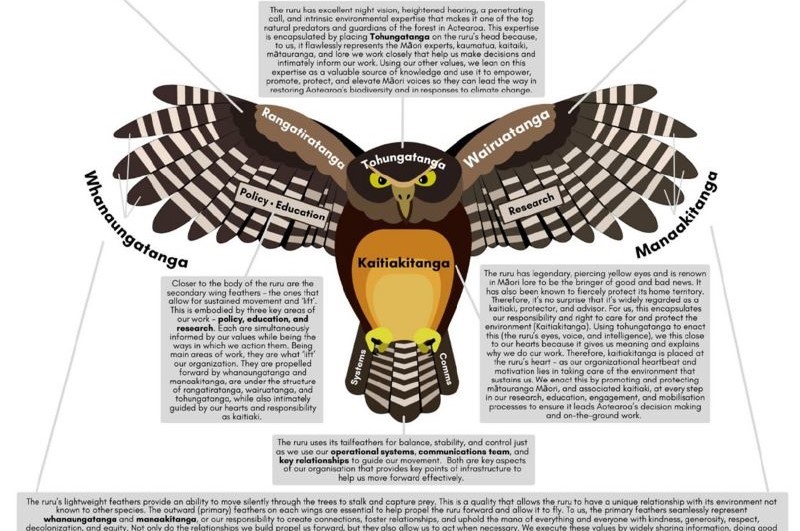
TTW: Research shows power of visuals to communicate change
February 2025: A new publication in the Canadian Journal of Program Evaluation explores how visual tools, such as diagrams, metaphors, and symbols, can enhance engagement and understanding of strategic change processes. Te Tira Whakamātaki (TTW) authors Simon Lambert, Micheal Heimlich, and Melanie Mark-Shadbolt, and associates Mariella Marzano and Valance Smith demonstrate how using culturally resonant visuals can make complex ideas more accessible, foster deeper stakeholder engagement, and secure buy-in for projects.
Termed theory-of-change visualizations, this methodology emphasizes effective communication and facilitation — two key skills the authors argue every evaluator should have.
For independent research organisations, this work offers valuable insights into how visual communication can strengthen research impact, improve collaboration with diverse communities, and enhance the uptake of research findings by policymakers and funders. Whether developing a Theory of Change, engaging stakeholders, or advocating for evidence-based change, this research provides practical strategies to ensure key messages are both seen and understood.
Te Tira Whakamātaki's values-based measurement diagram featuring the ruru. Image: Te Tira Whakamātaki.

Estendart: Ovine knee model for osteoarthritis treatments
February 2025: Osteoarthritis (OA) affects approximately 528 million people worldwide - a 113% increase since 1990. This degenerative joint condition, which causes chronic pain, disproportionately impacts women, with around 60% of OA patients being female.
Animal models play a vital role in the early stages of biomedical research for humans by helping researchers study the pathological and physiological processes of various diseases affecting both humans and animals like Osteoarthritis.
Currently, Estendart Research are conducting a series of pilot studies using sheep to generate a “knee model” to support in the development of treatments for OA.
“To start off this series, a test group of sheep were sedated, and a small amount of joint fluid was collected from each stifle joint (the leg joint functionally similar to the human knee) via needle aspiration. The animals are allowed to recover in comfort and then returned safely back to the farm,” says Estendart Research Leader Dr Shirli Notcovich.
“So many people and animals suffering from osteoarthritis. I'm pleased that Estendart Research Limited can play our small part in finding an effective treatment."
Sheep involved in the ovine knee model study. Photo: Estendart Research Limited.

HERA: Low-carbon circular design guidance
February 2025: With a growing urgency to reduce carbon emissions and embrace circular economy principles, HERA has recently released essential guidance to give industry professionals the knowledge and strategies to design more sustainable and resilient buildings - launching three pivotal resources, built on extensive research to help you stay ahead in low-carbon circular design.
"R4-164: A low-carbon circular building design guidance framework" - This is a ready-to-use framework that applies to any material, building typology, or system - giving you the tools to design smarter, without starting from scratch.
"R4-166: Low-carbon circular design guide for steel, and steel-hybrid low-rise commercial buildings" - Building on the framework, this design guide offers specific guidance to cut embodied carbon by over 50%, while making buildings more adaptable, future proof, and optimised.
"R4-165: Research gaps & next steps for advancing low-carbon circular design" - HERA researchers have uncovered some critical knowledge gaps to be addressed. This report outlines research priorities, with insights from industry experts, literature reviews, and peer feedback; opportunities for collaboration; and pathways for innovation.
GM Structural Systems Kaveh Andisheh writes that these publications mark a significant milestone in HERA's mission to drive sustainability in the construction sector, and provide a strategic roadmap for architects, engineers, and policymakers to create a more sustainable built environment.

Malaghan: Grant to improve CAR T-cell
February 2025: Postdoctoral researcher Dr Nathaniel Dasyam has been awarded a Cancer Research Trust grant to make CAR T-cell therapy even better - both in terms of safety and effectiveness.
“While our phase 1 trial showed very promising results, there's always scope for improvement. This grant will allow us to find what makes our CAR T-cells unique and, more importantly, identify what can be done to make them better. We can then take this information and design more effective therapies.”
Dr Dasyam explains that one of the main constraints for immunotherapies like CAR T-cell therapy is T-cell exhaustion.
“T-cell exhaustion is basically the immune system putting the brakes on T-cells that are too active or have been active for a long time. For the better part this is a good thing, as T-cells that are too active for too long can cause unnecessary inflammation and can lead to autoimmune diseases.
“However in cancer, this failsafe tends to cause T-cells to shut down too early. This can also happen when cancer cells themselves send signals to inhibit T-cell activity. The tumour environment, which can be very suppressive towards T-cells, also contributes to this exhaustion.”
The grant, more than $60,000, will go towards the identification of genes in CAR T-cells associated with exhaustion, safety, as well as efficacy.
Postdoctoral researcher Dr Nathaniel Dasyam. Photo: Malaghan Institute of Medical Research.

Motu: Treasury New Zealand's social discount rate
February 2025: Projects with long-term social or environmental benefits are in for a boost in Aotearoa New Zealand. We all know Governments need to invest in things to safeguard future generations and the planet. Things like floodwalls, renewable energy, and social investments in health, development and children's education.
Until recently, the New Zealand Government had an implicit disincentive to prioritise projects with long term social or environmental benefits - because of how it set the public sector's 'social discount rate'. The social discount rate captures how we trade off the present versus future benefits (and costs) when making public policy decisions.
But, with the help of Motu Research and other advisors, the Treasury recently made substantial changes to the social discount rate they use to evaluate public sector proposals. Previously, Treasury used a single discount rate that trades off everything across time in the same way, whether we're looking at investing in something like an office building or river quality. The changes mean we now have two rates: One for commercial proposals at 8% and the other for non-commercial proposals at 2%.
This means proposals with long-term social or environmental benefits will look a lot more valuable to the Government than they did previously - and so be a higher priority for the Government to invest in.
Photo: Lorenzo Fatto Offidani, Unsplash.

Bragato: Battling fungicide resistance in vineyards
February 2025: Powdery mildew, caused by the fungus Erysiphe necator, remains a major challenge for grape growers worldwide. Even minor infections can impact wine quality, making effective control essential. Fungicides—including traditional options like sulfur and copper, as well as modern targeted treatments such as SDHIs, QoIs, and DMIs—are key to managing the disease. However, the pathogen's adaptability allows it to develop resistance, threatening control efforts.
Broad-spectrum fungicides like sulfur and copper attack multiple metabolic pathways, making it difficult for the fungus to evolve resistance. In contrast, single-site inhibitors like QoIs, DMIs, and SDHIs target specific fungal proteins, allowing resistance to develop through single genetic mutations. For instance, QoI resistance is linked to mutations in the CYTB gene, while DMI resistance is associated with the CYP51 gene.
A growing concern is the limited recent data exists on fungicide resistance in New Zealand vineyards. Studies have already documented resistance to some DMIs and complete resistance to certain QoIs, highlighting the need for updated monitoring.
Dr Cen Liau, Research Associate - Grapevine Bioinformatics at Bragato Research, highlights molecular diagnostics as a rapid alternative to traditional lab testing. These tools detect specific genetic mutations linked to resistance, enabling large-scale, efficient monitoring.
Powdery mildew. Photo: Bragato.
Dragonfly: Partnering for blue penguin
February 2025: Dragonfly Data Science are excited to collaborate with Ōamaru Blue Penguin Colony on a project to modernise its data management systems, and to help learn about the daily lives of little blue penguin or kororā.
Ōamaru Blue Penguin Colony (OBPC) attracts thousands of visitors annually to visit kororā in its natural environment, and is a well-known South Island tourism operator. To better understand and support blue penguin, OBPC has been working beyond its public-facing programmes to collect three decades worth of data on the little blue penguin population. The data are a valuable source of information on the penguin's population and behaviour that has the potential to help with the conservation of this species around the country.
Dragonfly Data Science have been enlisted to help organise and streamline these historical data, and to carry out some exploration of the data. They will then be used to create educational materials to engage OBPC visitors.
Dragonfly Director of Data Science, Finlay Thompson, is looking forward to bringing life to this dataset, and ultimately, to learn more about this native New Zealand species.
“Having the foresight to begin monitoring Ōamaru kororā back in 1993 provides this colony with a real advantage,” says Finlay.
Little blue penguin (Eudyptula minor) at Ōamaru. Photo: Louise Thomas.
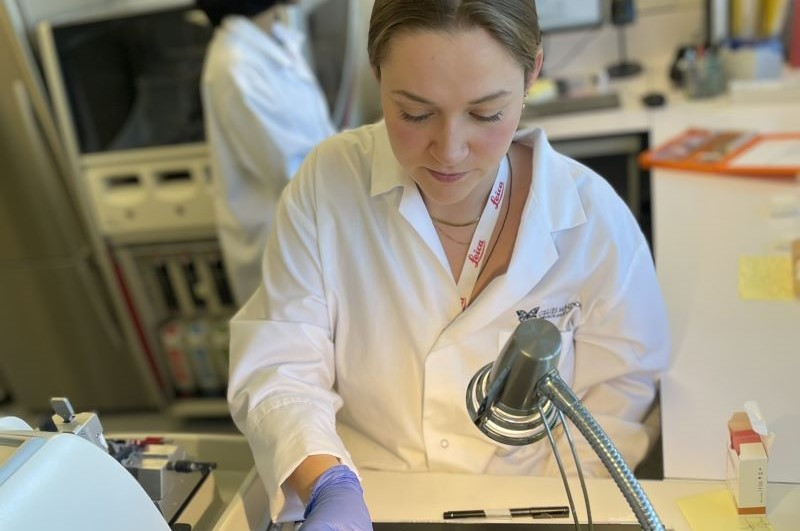
Gillies McIndoe: Research sheds light on glioblastoma treatment
February 2025: PhD student Jasmine (Jaz) White, a researcher at the Gillies McIndoe Research Institute, has published a significant review in the Journal of Translational Medicine examining glioblastoma's tumour microenvironment (TME) and its role in treatment resistance and recurrence. This collaborative work with Gillies McIndoe, Victoria University of Wellington, and Wellington Regional Hospital has earned Jaz first place in the university's 2024 'Best Review' award.
Glioblastoma (GB) is the most aggressive primary brain tumour in adults, with a median overall survival of approximately 12 months. Despite intensive treatment—including surgery, radiation, and chemotherapy—tumour recurrence is nearly inevitable, often with increased aggressiveness. This treatment failure is largely attributed to the interaction between GB cells and the TME, which fosters therapy resistance.
A major limitation in GB research has been the inability of current models to fully replicate the complex TME. However, advancements in organoid models are providing new hope, enabling better understanding of tumour-TME interactions and potential treatment strategies.
“This paper addresses the many factors that must be considered when designing GB research models with the overall aim of improving the clinical relevance of GB research,” says Jaz.
PhD student Jasmine (Jaz) White. Photo: Gillies McIndoe.

Mātai: Novel MRI study enhances MS detection
February 2025: A pioneering study, led by Charge Technologist Paul Condron from Mātai Medical Research, has demonstrated the potential of Ultra-High Contrast (UHC) MRI to transform Multiple Sclerosis (MS) diagnosis and monitoring. Using advanced BLAIR bipolar filter sequences, researchers detected widespread changes in white matter and MS lesions with unprecedented clarity - even in cases where conventional MRI showed no abnormalities.
Key findings include:
- The Whiteout Sign: A widespread increase in white matter signal seen only with UHC MRI, present during relapses and resolving in remission.
- Grayout Signs: Subtle loss of contrast in grey matter, indicating disease presence.
- Enhanced Spinal Cord and Optic Nerve Imaging: Improved lesion detection crucial for MS monitoring.
A case study compared conventional MRI with Mātai's advanced technique. Standard T2-FLAIR MRI showed only a faint smudge in the spinal cord, whereas UHC MRI revealed a sharply defined lesion and an additional brainstem lesion entirely missed by conventional imaging.
“These advancements could lead to earlier MS detection and more personalised treatment decisions. By revealing subtle disease activity, UHC MRI has the potential to revolutionise both clinical practice and MS research,” says Paul.
Paul Condron. Photo: Mātai.

Cawthron: Aeration of Maitai Dam reservoir expected to improve river health
February 2025: A new system in Nelson's Maitai Dam reservoir is expected to help stop pollutants occurring in the reservoir and discharging into the Maitai River.
Cawthron Institute freshwater scientist Simon Stewart said the aeration system was re-oxygenating water at the bottom of the Maitai Dam reservoir, which would prevent metals releasing into the water.
Oxygen levels had dropped at the bottom of the reservoir because of a summer phenomenon that occurred in lakes, where warm water floated on top of cold water, preventing oxygen travelling through the water, he said.
“Phosphorus ... is a nutrient, so that drives algal blooms, but then other metals like manganese they can be toxicants.
“They'll accumulate in the algae, then in the bugs and the fish, where they could basically cause ecological health issues.”
Simon is interviewed by the Nelson Mail's Katy Jones in this article about the Maitai Dam reservoir aeration system project. Cawthron has been contracted by Nelson City Council to provide advice and monitoring support on the aeration system project that will help to reoxygenate the water and prevent metals from being released.
Photo: Cawthron Institute.

Malaghan: Tackling cancer - Kjesten Wiig
February 2025: The new director of one of New Zealand's foremost centres pioneering a cure for cancer has a personal and tragic connection to the role.
The Malaghan Institute of Medical Research, which specialises in immune system research has been running ground-breaking trails of CAR T-cell therapy, which uses a patient's own immune system to target and destroy blood cancer.
In-coming director at Malaghan, Professor Kjesten Wiig has taken over the reins held for 30 years by Professor Graham Le Gros.
A neuroscientist by training, Prof Wiig's career has always had a focus on advancing science and innovation to improve people's health and ultimately save lives. Kjesten's nineteen year old son Karl died from a rare form of cancer almost four years ago. Kjesten tells RNZ's Susie Ferguson how a conversation with Graham Le Gros at the time lead to a job offer.
After the tragic loss of her son, Kjesten determined that she wanted to again move careers - specifically into the cancer research space. "Three or four days later [after deciding she needed to move back into research] I got a call from Graham Le Gros...so, I went up to the institute and had a cup of coffee, and he asked me what I was thinking of doing now..."
Prof Kjesten Wiig. Photo: Malaghan Institute of Medical Research.

Lincoln Agritech: Feeding a love of science
February 2025: Research Scientist Dr Joseph Nelson (Ngāti Tūwharetoa, Ngāti Raukawa) didn't need any persuading when the call went out for volunteers to help at the MacDiarmid Institute DiscoveryCamp over summer.
The annual residential camp for Māori and Pacific Island year 12 and 13 students brings rangatahi (young people) from around the country to do research with MacDiarmid Institute scientists, feeding their love of science and helping them decide on their careers. This year, it was in Ōtautahi (Christchurch).
“I first heard about the camp when a call went out for volunteers to help out as organisers, camp chaperones, helpers with lab visits, and experiment sessions,” says Joseph, who is an Associate Investigator on two MacDiarmid Institute research projects.
“I remember attending my own high school summer camp, now more than 20 years ago in Auckland. This was quite a formative experience for me in terms of deciding my next steps after high school, and the camp volunteers were a big part of that. So, I was keen to volunteer.”
Joseph (top of the table) helps rangatahi in a lab session on dye-sensitised fruit-based solar cells, with camp organiser and MacDiarmid Institute Principal Investigator Professor Martin Allen, from the University of Canterbury (foreground). Photo: Lincoln Agritech.

Cawthron: Independent science could break stalemate in global plastics treaty
February 2025: A global coalition of scientists is still working to realise a “once in a life-time opportunity” to address the plastics crisis after a stalemate prevented progress during the United Nations Global Plastics Treaty negotiations in Korea late last year.
In an article published in early February in Cambridge Prisms: Plastics, the coalition outlined the reasons for the failure to reach consensus in negotiations. The body of over 400 independent scientists also called for support to continue work that underpins the efforts of the 'coalition of the willing' - over 100 UN member states who are committed to establishing a treaty.
Coordinator of the Scientists' Coalition, Cawthron Institute researcher Professor Trisia Farrelly, said a clear majority of member states came to the Busan negotiations in good faith, but their efforts were undermined by a minority of around 30 countries, including powerful petrostates, that are intentionally blocking progress.
“It is disappointing, but not surprising, that petrostates and the plastics industry increasingly resist regulations that would require them to take responsibility for the social, economic, and environmental costs of business,” Farrelly said.
Professor Trisia Farrelly ONZM speaks during the 3rd Session of the Intergovernmental Negotiating Committee. Photo: IISD.

ABI/Mātai study reveals muscle and fascia changes after sprain
February 2025: New research sheds light on how ankle sprain injuries lead to structural changes in muscle and connective tissue, potentially contributing to long-term instability. A study by Randika Perera and Geoffrey Handsfield (Auckland Bioengineering Institute), Samantha Holdsworth (Mātai & University of Auckland), and Pan Su (Siemens Medical Solutions), used advanced MRI to investigate how skeletal muscle and fascia adapt during recovery from an ankle sprain.
Recently published in BMC Musculoskeletal Disorders, the study titled "Changes to Muscle and Fascia Tissue After Eighteen Days of Ankle Immobilisation Post-Ankle Sprain Injury" examined the case of a patient undergoing immobilisation after an ankle sprain. Researchers found that muscle atrophy occurred post-injury, but with some thigh muscles unexpectedly increasing in volume—likely due to the added weight of the immobilisation boot. Alongside muscle loss, fascia thickening was observed throughout the limb, suggesting an adaptive response aimed at stabilising the joint and compensating for lost muscle mass.
The findings highlight the critical role of fascia in injury recovery, with increased collagen content in the injured limb pointing to its role in preserving structural integrity.
Advanced MRI techniques are used to study the structure of the medial gastrocnemius muscle. Image: Auckland Bioengineering Institute.

Aqualinc: The importance of irrigation performance checks
February 2025: Just as regular health checks are vital for maintaining well-being, irrigation systems also require periodic performance assessments to ensure they function as designed. Aqualinc Research highlights the importance of these checks in optimising water use and meeting regulatory requirements.
Irrigation performance checks assess whether a system applies water at the correct depth and with uniform coverage. These evaluations are also necessary for compliance with Farm Environment Plan requirements, which require landowners to demonstrate that their irrigation systems are operating efficiently.
If issues are identified during testing, solutions may range from simple maintenance and adjustments to more complex system upgrades. In cases where water flow or pressure is insufficient, a more detailed analysis of the water supply, pipe network, and irrigators may be needed to improve overall performance.
Two key tests are commonly used. An irrigation evaluation examines the entire system, from water supply to application, ensuring pressure and flow rates meet design specifications. The 'bucket test' provides a simpler way to check application uniformity and identify potential issues.
Photo: Aqualinc Research.

Motu: Filling the gaps of missing productivity data
January 2025: Recent research by Motu Affiliate Richard Fabling provides a productivity dataset that will be helpful to productivity researchers. The research looks at how productivity data is missing from the Longitudinal Business Database (LBD) for over a third of firm-year observations in “measured sector” industries, equating to a fifth of total labour in those industries.
Productivity growth is an important determinant of output growth in the economy and, therefore, aggregate improvements in income and well-being. The proliferation of high quality worker- and firm-level data, places empirical microeconomics at the forefront of understanding the dynamics of productivity growth and identifying obstacles to higher productivity.
Richard has developed a method to fill the data gaps using an additional data source - firm-level annualised goods and services tax (GST) returns.
Coupled with additional modelling using full-coverage employment information, the resulting “complete” productivity dataset provides additional avenues for researchers to test the robustness of their results to the inclusion of firm types previously underrepresented in the productivity data - particularly new and owner-operated firms.
Photo: Joshua Sortino, Unsplash.

Bragato joint project wins $100k+ to research thiols in white wine
January 2025: Dr Amanda Dupas de Matos, Food Experience and Sensory Testing (Feast) Laboratory Senior Research Officer at Massey University, has been awarded more than $100,000 from the Massey-Lincoln Agriculture Industry Fund for her project 'Realising the Potential of Thiols in White Wines: Sensory Consumer Responses and Chemical Characterisation' - a collaborative effort between Massey University, Lincoln University, and Bragato Research Institute which aims to address the knowledge gap around what thiol concentrations make for the most appealing wine.
“While winemakers already employ various techniques, such as yeast selection and winemaking processes, to manipulate the presence of thiols (aroma compounds considered important determinants of 'acceptability' in wine and which provide key attributes like tropical fruit aromas), the specific concentration thresholds that consumers find most appealing remains unclear,” says Amanda.
The research has the potential to provide winemakers the ability to craft new white wine styles with more precise, consumer-tailored aromas.
Photo: Bragato Research Institute.

HERA hosts Professor Ian Manchester
January 2025: The future of automation in heavy engineering and steel fabrication took centre stage when Professor Ian Manchester and his team from the Australian Centre for Robotics visited HERA at the end of last year.
This week-long engagement, was part of HERA's engagement with the Australian Cooperative Research Centre (ACM CRC) project which brought together global expertise and local insights to explore how advanced technologies can transform Aotearoa New Zealand's manufacturing and construction sectors. Joining Professor Manchester were Kieran Parker, Yiduo Wang, and Viorella Ila, who brought their specialised expertise to the discussions and site visits. Also contributing to the collaborative efforts were HERA's General Manager Fabrication 4.0, Michail Karpenko, and Senior Engineer for Advanced Manufacturing, Holger Heinzel; whose extensive industry knowledge added industry knowledge to the engagements.
Professor Manchester, a globally recognised authority in automation and robotics, leads the Australian Centre for Robotics at the University of Sydney. His institution is renowned for developing cutting-edge technologies to address complex industrial challenges.
Australian Centre for Robotics delegation visits HERA. Photo: HERA.

Aqualinc: Nitrates in groundwater - between a rock and a hard place
January 2025: In the January issue of Canterbury Farming Newspaper, Aqualinc's Director of Research Dr John Bright talks about "Nitrates in groundwater: caught between a rock and a hard place?"
"Nitrate concentrations in shallow groundwater in the Lincoln area were, by 1983, already higher than desirable for drinking water.
"This has stuck in my mind because neighbours warned us that the bore water on the property we had just bought was not safe for our toddler and young baby to drink! So, I took home bottles filled with water from one of Lincoln University's very deep bores. Thankfully it wasn't long before Lincoln township's public water supply was installed, this being supplied from two or three new deep bores.
"This anecdote is consistent with Helen Rutter and her daughter Katherine's analysis of Environment Canterbury's groundwater quality data from the Selwyn Waihora zone, published in the Journal of Hydrology (NZ) in 2019. This shows that nitrate concentrations in Selwyn groundwater rose sharply from the 1960s to the 1970s. Most of the rise is understood to have occurred as a result of very high groundwater recharge (drainage through the soil) in 1979."
Photo: Aqualinc Research.

Bragato: Wine ageing and fermentation impact sulfur compounds in pinot noir
January 2025: A research collaboration between the University of Auckland and the Bragato Research Institute is investigating how fermentation techniques and ageing influence volatile sulfur compounds (VSCs) in Pinot Noir wines. VSCs can contribute both desirable and undesirable aromas, with some linked to common wine faults such as rotten egg and cabbage smells.
The study examines factors such as elemental sulfur use, yeast assimilable nitrogen (YAN) availability, and whole bunch fermentation. Initial findings indicate that wine ageing increases the concentration of certain sulfur compounds, including dimethyl sulfide (DMS), which can produce off-putting aromas at high levels. Meanwhile, key varietal thiols associated with tropical fruit notes also change over time, impacting wine aroma.
Whole bunch fermentation played a significant role, with 75% inclusion resulting in higher levels of VSCs like diethyl disulfide and ethanethiol. Additionally, wines produced with high elemental sulfur had elevated carbon disulfide concentrations.
The project aims to develop strategies to mitigate undesirable VSC formation, ultimately supporting winemakers in producing consistently high-quality wines.
Pinot noir grapes. Photo: Bragato Research Institute.

BRANZ: National Construction Pipeline projections out now
January 2025: The National Construction Pipeline Report 2024, commissioned by MBIE and jointly prepared by BRANZ and Pacifecon, forecasts a short-term decrease in building and construction activity throughout 2024 and into 2025, before a return to growth from 2026 onwards.
While total construction activity is expected to decrease from $60.8 billion in 2023 to $55.1 billion in 2025, activity is predicted to trend upwards from 2026 onwards to a total of $63.7 billion in 2029 as the residential sector recovers strength.
Intentions also remain high for non-residential activity, with commercial buildings dominating non-residential building work from December 2024.
Commercial buildings are expected to make up 46 percent of the non-residential projects and 48 per cent of the total value, with the private sector remaining the largest initiator of non-residential buildings in the coming years. This follows strong growth in non-residential building activity at the national level in 2023, up 9.9 percent from 2022.
A solid pipeline of transport, water and other infrastructure projects is also expected over the next two to three years, collectively peaking at $17.3 billion in 2025.
Building under construction. Photo: Louise Thomas.

MRINZ: Significant reduction in asthma hospitalisations for Māori
January 2025: A recent study conducted by the MRINZ reveals a remarkable 32% reduction in asthma hospitalisations among Māori over the past four years. This progress reflects the impact of evidence-based treatment approaches and a collective commitment to addressing long-standing inequities in respiratory health outcomes.
Findings from the study, Ethnic Inequities: Patterns of Asthma Medication Use and Hospital Discharges in Māori in Aotearoa New Zealand, underscore the effectiveness of increased provision of the 2-in-1 budesonide/formoterol maintenance and/or reliever therapy, as recommended in the Asthma and Respiratory Foundation of New Zealand's guidelines. The study, led by MRINZ Director Professor Richard Beasley, also highlights a 111% increase in budesonide/formoterol inhaler use among Māori over the same period.
“The findings highlight the high quality of primary care in New Zealand and the emphasis on addressing the health needs of Māori to reduce their disproportionate burden of disease,” says Professor Beasley. “This evidence exemplifies how GPs are adapting their prescribing practices in line with evidence-based recommendations, ensuring patients benefit from advances in treatment.”
Image: MRINZ.

Dragonfly: Repeatable reporting with SPRFMO
January 2025: Dragonfly Data Science has partnered with the South Pacific Regional Fisheries Management Organisation (SPRFMO) to transform their fisheries data reporting processes. This collaboration rebuilt SPRFMO's database and enhanced their annual summary reports for scientific committee meetings.
Craig Loveridge, SPRFMO's Executive Secretary, praised Dragonfly's work in automating reporting tasks. “It really did make our work more efficient and save us time. That was a big deal,” he said. Loveridge noted Dragonfly's ability to turn complex data into accessible and widely shareable reports, while maintaining strict confidentiality.
Dragonfly Data Scientist Hayley Wikeepa highlighted the efficiency of coding for data analysis and report generation. Automating ensures consistency and reduces manual workload. “It takes a bit of effort up-front to prepare the datasets and ensure consistency, but once done, reports can be reproduced easily year after year,” she said.
Katrin Berkenbusch, also a Dragonfly scientist, emphasized the importance of reproducible methods, saying manual processes increase the risk of errors, with automating ensuring accurate data updates flow directly into reports.
Image: Dragonfly Data Science.

Malaghan: Shedding light on how prior infection protects against infectious diseases
January 2025: New research from a collaboration between the Malaghan Institute and the National Institutes of Health (NIH) has shown that 'infection interference' may be the key to unlocking broader protection from infectious agents - paving the way for better vaccine design.
Over the course of our lives, we encounter many diverse and challenging threats from infectious agents like bacteria, parasites and viruses. These infections don't line up in an orderly fashion; our bodies are constantly dealing with and responding to numerous threats as these opportunistic pathogens attempt to make our bodies their home. In places where this competition is especially fierce, such as in the lung, how does a dynamic microenvironment impact the severity of diseases like Covid-19 or influenza, or even allergy? Moreover, can we use this knowledge to improve how we design and develop vaccines and other treatments?
That's the question Dr Kerry Hilligan has been asking in her research that has crossed continents; from the NIH in Washington, DC, to her home at the Malaghan Institute in Wellington.
Dr Kerry Hilligan. Photo: Malaghan Institute.

Motu: New research uncovers hidden value of arts for well-being
January 2025: New insights from Motu Economic and Public Policy Research reveal the significant impact of arts and cultural participation on personal well-being. Whether as an active creator or a passive audience member, engaging with the arts enriches life in observable ways.
Key findings from Motu include:
- Active participation—such as painting, performing, or creating—boosts eudaimonic well-being, offering a stronger sense of purpose and enhancing long-term well-being.
- Passive participation—like attending performances or viewing art—elevates life satisfaction and short-term well-being by increasing happiness and mental health.
An important takeaway? Passive participation significantly enhances life satisfaction by improving mental health, helping people feel calmer, more peaceful, and less downhearted or depressed.
To quantify this, the researchers, Thomas Benison, Trinh Le, and Arthur Grimes, estimated that people value passive arts and cultural engagement at 6-20% of their income, equating to $2,800-$9,300 annually for those on a median income.
Photo: Matheus Ferrero, Unsplash.