

Latest news and updates
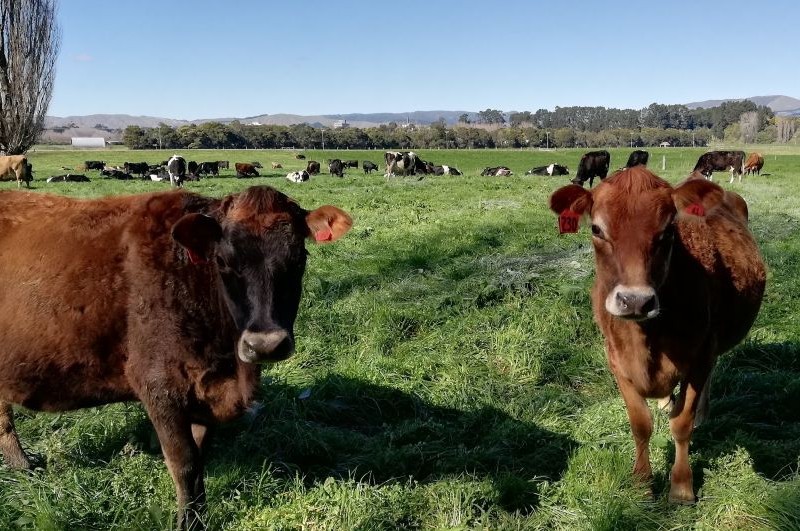
LASRA: Verified provenance for leather
September 2026: The story of leather increasingly begins before the tannery, with international expectations placing greater emphasis on provenance, responsible production, and evidence throughout the supply chain.
In this article, Geoff Holmes, Director of the New Zealand Leather and Shoe Research Association (LASRA), explores how New Zealand could use existing information from livestock production, meat processing, and leather manufacture to strengthen the provenance story behind its leather.
Expectations are broadening beyond tannery performance to include animal origin, land use, nature, animal welfare, and supply-chain due diligence. For New Zealand, the opportunity may be less about creating another system and more about connecting existing evidence into a credible production story.
LASRA research is investigating whether provenance can be supported by evidence within the leather itself. Recent research published in Talanta explored chemical markers in wet-blue leather using visible-near-infrared spectroscopy and machine learning.
The approach could complement farm records and chain-of-custody, connecting traceability with measurable evidence.
Photo: LASRA.
Dragonfly Data Science: Putting fishery data into action
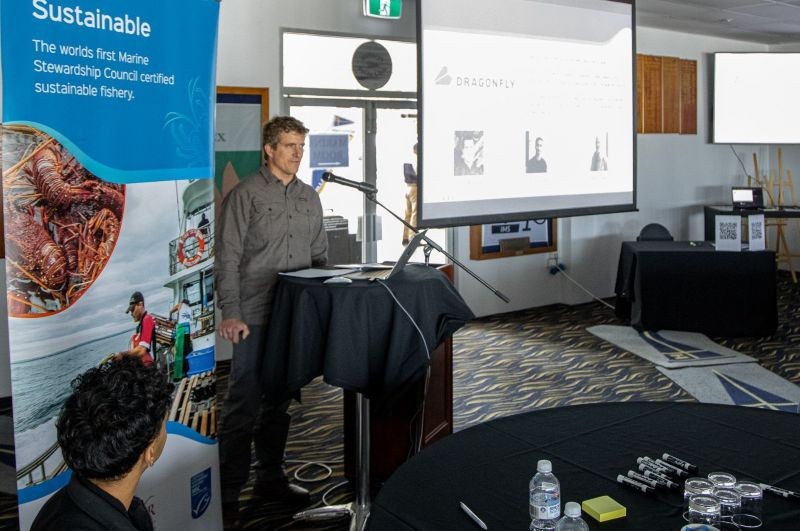
September 2026: Dragonfly Data Science team members Dr Philipp Neubauer, Mark Jones, and Kusal Ekanayake joined Western Rock Lobster's Digital Ecosystem Roadshow in Western Australia to show fishers how data analysis and new technology can support fishing operations.
Western Rock Lobster (WRL), the peak body for Australia's commercial rock lobster industry, recently launched Member Central, a digital ecosystem providing fishers with access to services including catch recording, trip planning, safety training, community forums and an e-commerce platform.
Dragonfly ran workshops at events in Hillarys and Geraldton, sharing examples of its work with New Zealand fisheries, including the Bluff Oyster Fishery, pāua mapping, and its "Right Time Right Place" project.
Dragonfly specialises in analysing fishery data to develop tailored solutions that can help optimise fisheries' operations and sustainability.
"It wasn't until we were sitting down with the fishers on the roadshow asking about their day-to-day that we were able to understand how we could apply our technology to their processes or help mitigate their concerns," says Philipp.
Photo: Dragonfly Data Science.