This issue of Connections comes at a significant moment for Aotearoa New Zealand's independent research sector. The Government's Science Investment Plan, the establishment of Research Funding New Zealand, and the growing emphasis on advanced technologies all signal a research system being reshaped around clearer priorities, stronger impact, and greater alignment across the wider science and innovation ecosystem.
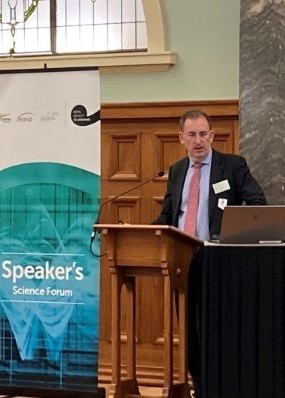
At the IRANZ AGM this month, we were pleased to welcome Hon Penny Simmonds, Minister of Science, Innovation and Technology, who outlined the Government's vision for the future of the sector. We also heard from Emma Blunt, Chair of Research Funding New Zealand, and Andrew Bridgman, Chief Executive of the New Zealand Institute of Advanced Technology. Together, these presentations provided valuable insight into how future investment settings may evolve and the opportunities they could create for research organisations across New Zealand.
The Minister's recognition that universities, Public Research Organisations, and Independent Research Organisations all form part of a connected research ecosystem was particularly welcome. Independent Research Organisations play a distinctive role, combining deep sector expertise, strong stakeholder relationships, and a proven ability to translate research into practical outcomes for industry, communities, and the environment.
At the same time, members discussed several important policy issues. Following the AGM, IRANZ wrote to the Minister expressing concern about the proposed $100,000 annual cap on donation tax credits. Many charitable research organisations rely on philanthropy to support early-stage research, scholarships, capability development, public engagement, and long-term programmes that are difficult to fund through conventional mechanisms. We have encouraged the Government to carefully consider the potential implications for research charities and the broader public benefits they deliver.
In our first news item below, we also reflected on Budget 2026 and the ongoing reform of the science system. While the Budget reinforces strategic priorities and commercialisation objectives, questions remain about how New Zealand will maintain the breadth of research capability needed to support economic resilience, environmental stewardship, public wellbeing, and informed decision-making in the decades ahead.
The stories featured in this newsletter demonstrate why these discussions matter. They showcase research that is already delivering impact: Cawthron Institute's participation in an international programme exploring marine microorganisms for next-generation skincare ingredients; the formation of Stave Therapeutics to advance groundbreaking cancer immunotherapy research developed by the Malaghan Institute and the University of Auckland; WSP's world-first development of a pine-based alternative to imported bitumen; and Lincoln Agritech-supported research transforming strong wool into high-value pigments now entering commercial production.
While these examples illustrate pathways to economic growth and commercialisation, they also demonstrate the broader public value of research through improved health outcomes, environmental sustainability, resource resilience, and knowledge creation. Many of the other stories featured in this issue likewise highlight the important contribution research makes to communities, public policy, and New Zealand's long-term wellbeing.
These examples highlight the diversity of New Zealand's independent research sector and its ability to generate knowledge, create economic opportunities, address environmental challenges, and improve lives. As the science system continues to evolve, maintaining the capability, flexibility, and investment needed to support this work will remain essential to New Zealand's future prosperity and wellbeing.
TV presenter Sonia Gray speaks with the team at Mātai Medical Research about emerging ADHD research in an episode of her podcast "No Such Thing As Normal". Photo: Mātai Medical Research.
IRANZ Chair Dr John McDermott says the 2026 Budget reflects an ongoing shift toward strategic priorities, commercialisation, and mission-led investment, but appears to rely largely on reprioritisation of existing funding rather than significant new investment in research capability - potentially leaving the country in a vulnerable position.
He says New Zealand's research system is a critical national asset that underpins economic resilience, environmental stewardship, public wellbeing, and informed decision-making.
As the Government continues implementing reforms to the science, innovation and technology system, including development of the Transition Research Fund, Dr McDermott says it is important that New Zealand maintains strong, locally grounded research capability across all disciplines.
"Research is not a luxury for New Zealand - it is part of how we improve productivity, strengthen resilience, support better policy, and create opportunities for future generations," says Dr McDermott.
"International evidence consistently shows that countries investing in research and development achieve stronger long-term economic performance."
Noteable differences have been discovered in the brains of recovering methamphetamine addicts, compared to those of non-users.
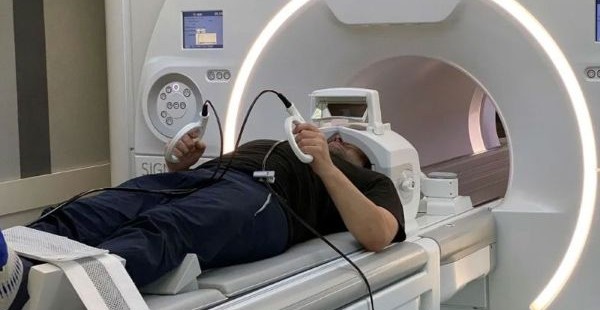
A research team based at the not-for-profit Mātai Medical Research Institute in Gisborne used MRI scans to study the brains of 13 people who had used meth for an average of 15 years and had recently stopped using the drug.
A new paper describes numerous differences in the brains of meth users, compared with a control group of healthy people.
Chronic meth use can cause widespread brain damage, impairing memory, emotional regulation and executive function, say the medical imaging experts for the Methamphetamine Recovery Project, Associate Professor Miriam Scadeng, from the University of Auckland Centre for Brain Research, and Mātai Senior Research Fellow Dr Maryam Tayebi.
Lead author of the paper, neuroscience PhD student Ben Bristow, says they found reduced volume of the cortex - the outer layer of grey matter - across six brain regions in meth users. The longer people had used meth, the more shrinkage was seen across multiple areas of the brain.
Researchers tracking methamphetamine recovery have catalogued brain shrinkage in users, but clinical trials mapping brain healing are offering fresh hope. Photo: Mātai Medical Research Institute.
Breakthrough cancer immunotherapy research is progressing from lab to real-world impact, targeting tumour-driven immune resistance and advancing toward clinical trials to improve outcomes for patients.
A promising cancer immunotherapy programme developed at Waipapa Taumata Rau, University of Auckland and the Malaghan Institute of Medical Research, is taking a major step toward patient impact with the formation of a new biotechnology venture, Stave Therapeutics.
Stave Therapeutics has been established in conjunction with Unruly Partners, the University of Auckland, UniServices, and the Malaghan Institute of Medical Research, building on the research team's cumulative knowledge of the tumour microenvironment and experience in research translation. The underlying research originated from a long-standing collaboration between the Auckland Cancer Society Research Centre (ACSRC) and the Malaghan Institute of Medical Research, supported by the Maurice Wilkins Centre, the Health Research Council of New Zealand, and MBIE's Endeavour Fund.
The company is currently operating at the preclinical stage, with the next phase focused on completing preclinical development and progressing toward first-in-human clinical trials within the next two years.
The Health Research Council of New Zealand (HRC) has awarded the Medical Research Institute of New Zealand (MRINZ) one of only two Programme Grants funded nationally in 2026, supporting a world-first clinical trial that will investigate whether artificial intelligence (AI) can improve outcomes for critically ill patients receiving life support in intensive care units (ICUs).
Led by Professor Paul Young, MRINZ Deputy Director and Co-Clinical Leader of ICU at Wellington Hospital, the five-year research programme will evaluate whether machine learning can help clinicians personalise oxygen therapy for patients receiving life support.
The REVOLUTION trial will involve 50 ICUs across New Zealand and Australia and recruit more than 24,000 patients, making it one of the largest critical care studies undertaken in Australasia. It will be the first major clinical trial worldwide to test whether AI-guided treatment using machine learning improves survival in the ICU.
The research builds on the recently completed HRC-funded Mega-ROX trial, the world's largest ICU oxygen trial, which involved 40,000 patients across 125 sites in 15 countries.
Professor Young says the programme aims to move critical care beyond a one-size-fits-all approach.
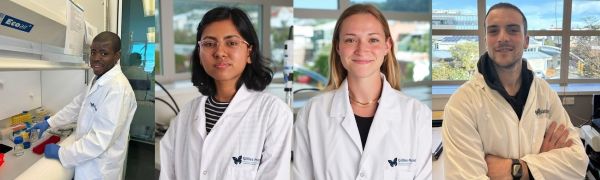
Gillies McIndoe has marked several significant research milestones, including doctoral completions, thesis submissions, and the arrival of a new doctoral researcher.
Dr Ibrahim Yakubu has successfully passed his oral viva following research into the long-term impacts of preterm birth on liver development and metabolism. He is currently working at Wellington Hospital.
Two doctoral researchers, Raka Mitra and Jasmine White, have submitted their theses and are awaiting their oral vivas. Raka's research investigated infantile haemangioma, including the development of a novel 3D model and the identification of sex differences in the condition's pathophysiology. She has accepted a postdoctoral position at Gillies McIndoe.
Jasmine's research focused on the mechanisms underlying treatment resistance in glioblastoma. Following completion of her doctorate, she plans to pursue a career in clinical research in the United Kingdom.
Gillies McIndoe has also welcomed a new doctoral researcher, Marco Massimino, who has joined from Italy. Supervised by Raka Mitra, Dr Clint Gray, Dr Helen Fitzsimons, and Dr Tracy Hale, Marco will investigate venous malformations. Two additional doctoral researchers are expected to join the institute in the coming months.
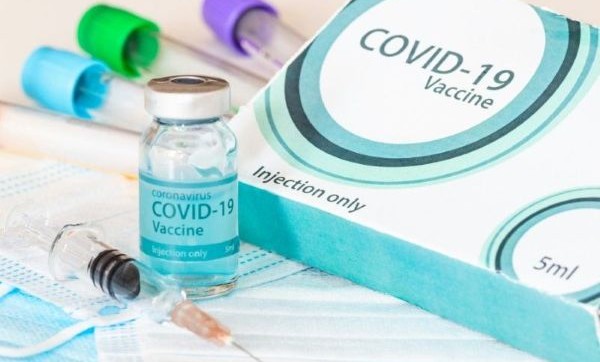
A new report by Richard Fabling from Motu Economic and Public Policy Research estimates employment effects of Covid-19 vaccine mandates on workers in the New Zealand education and health sectors. The study found that the mandates had long-lasting employment impacts for workers who chose not to comply.
Using data from Statistics New Zealand's Integrated Data Infrastructure, the research examined employment outcomes for degree-qualified workers affected by the mandates announced in October 2021.
While the mandates increased vaccination rates in both sectors, for workers who defied the requirements many lost jobs in their original sector, took lower-paid work elsewhere, or moved within New Zealand in search of employment. Although employment outcomes improved over time, the effects remained evident more than two-and-a-half years later.
The report describes this as labour market "scarring", with lower employment rates and reduced earnings persisting through to mid-2024. In contrast, workers who complied with the mandates experienced comparatively small employment effects.
The study does not assess the public health benefits of vaccine mandates, focusing instead on their labour market consequences for affected workers.
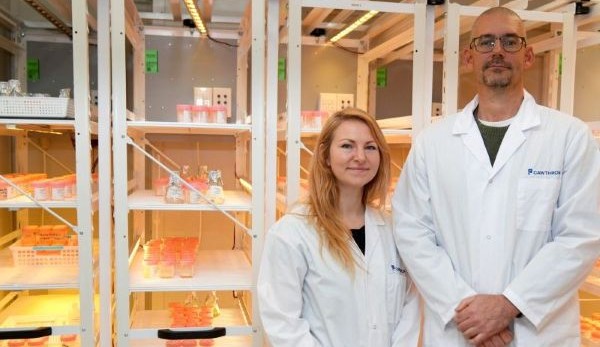
Researchers from Cawthron Institute and Callaghan Innovation's Biotechnology Research Group (New Zealand Bioeconomy Science Institute) have joined an international consortium to explore the country's vast ocean territory for marine microorganisms that could produce breakthrough ingredients for the global skincare industry.
OCEOMICS is a Horizon Europe-funded project involving 12 organisations across eight countries, led by Spanish research institute AINIA.
The Programme will use artificial intelligence, genomic screening, and biotechnology tools to identify novel bioactive compounds from marine microorganisms, targeting applications in high-value skincare formulations including anti-inflammatory, antioxidant, UV-protecting, and skin barrier products.
New Zealand's participation focuses on the country's unique and largely unexplored marine biodiversity. Cawthron will lead research into marine microalgae, while the Biotechnologies Group will study marine bacteria from New Zealand waters.
Dr Johan Svenson, Science Impact Manager at Cawthron Institute, says New Zealand sits at the edge of some of the most biologically diverse and least studied ocean environments on earth.
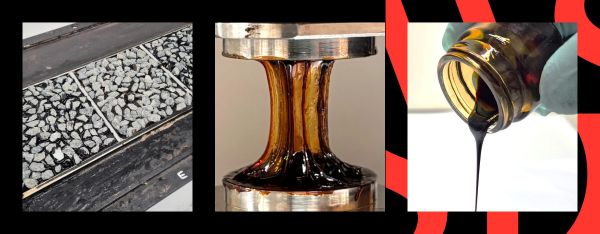
In what is believed to be a world-first innovation, researchers from a WSP-led collaboration have successfully developed a 100% pine tree-based alternative for roading bitumen.
Aotearoa New Zealand produces more than 10 million tonnes of pine each year. Lab trials at WSP have now shown that this abundant source of biomass can be converted from solid wood into a binder able to replace crude oil-based bitumen.
Early results are promising, and the potential could be significant.
New Zealand relies exclusively on imported bitumen for road surfacing, leaving the country exposed to global oil markets, shipping disruption, and rising costs. A locally sourced alternative made from pine biomass could improve supply resilience, reduce dependence on fossil fuels and create a lower-emissions road surfacing material from a resource we already produce in abundance.
The material has performed comparably to conventional bitumen in several NZ Transport Agency Waka Kotahi performance standard tests but is still at the laboratory stage. Larger-scale trials, carbon accounting, and investigations into the economics of production are still ahead.
Using Pinus radiata trees, researchers processed the wood and applied novel techniques to break down its lignin and cellulose molecules into a resin-like binder. This behaves just like bitumen; hard when cool, soft when heated.
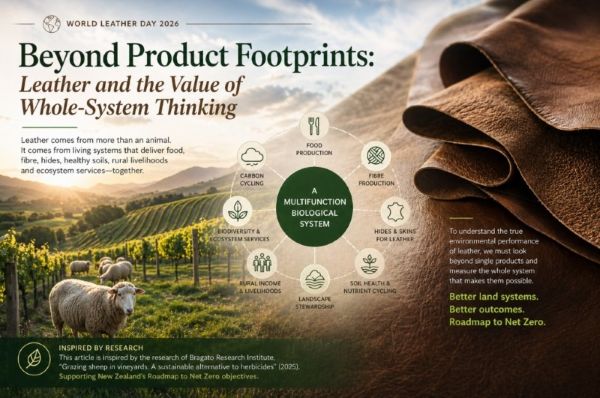
A new article by LASRA Director Geoff Holmes argues that the future of leather sustainability assessment may require a broader, whole-system perspective rather than focusing solely on the environmental footprint of leather as an individual product.
For many years, sustainability discussions around leather have centred on measuring the footprint of the material. Geoff says this focus has driven significant improvements in tanning processes, wastewater treatment, chemical management, and energy efficiency.
However, he suggests that leather should also be considered as one output of complex agricultural systems that simultaneously produce food, fibre, hides and skins, while contributing to soil health, grazing management, ecosystem services, and rural livelihoods.
The article draws on recent research from the Bragato Research Institute, which examined integrated vineyard systems incorporating sheep grazing. The study found that combining multiple outputs on the same land area improved overall productivity and emissions efficiency compared with separate specialised systems.
According to Geoff, future sustainability assessments may need to consider wider measures such as emissions per hectare, multi-output land productivity, durability, waste utilisation, biodiversity outcomes, and rural economic resilience. The challenge, he argues, is no longer just producing lower-impact products, but developing smarter and more efficient land-use systems.
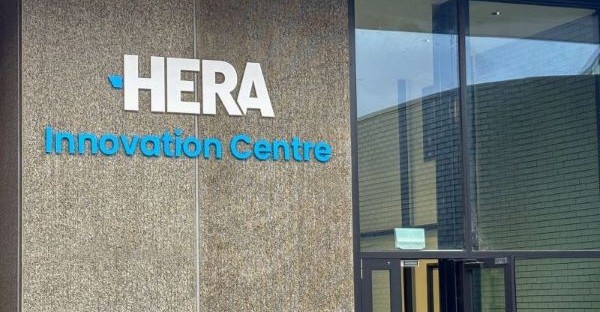
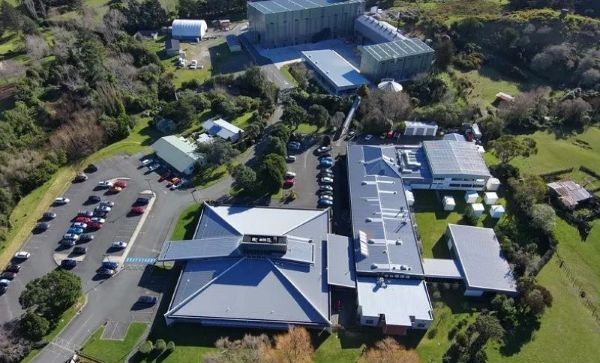
For years, the HERA Innovation Centre existed as a plan - a set of drawings, a funding case, and a conviction that the heavy engineering sector needed a physical home for the future it was building toward. Earlier this month, HERA representatives got to stand inside it with the people who built it.
Clearwater Construction hosted HERA for an evening to mark the near-completion of the build. The room was full of the people who made it happen; contractors, consultants, suppliers, and subcontractors who gave their skills, time, and materials to bring the building to life. It was an evening that reminds what a project like this takes - not just the planning, the funding, and the design intent, but the people on site every day making it real.
The HERA Innovation Centre is purpose-built for Aotearoa New Zealand's heavy engineering, manufacturing, and construction sectors. When it opens, members and research partners will have a dedicated space to trial emerging technologies, prototype new approaches, and build capability across Construction 4.0, Fabrication 4.0, AI, digital fabrication, structural health monitoring, and digital twinning. It will serve as a hub where industry can experiment, upskill, and apply Industry 4.0 technology in a real-world setting. It will also anchor HERA's growing international research partnerships, connecting our members to global networks and knowledge.
From engineers to insurers, builders to iwi, New Zealand's construction sector is united in concern about the government's plan to repeal the Building Research Levy Act.
After interviewing more than twenty industry leaders, spanning insurance, engineering, architecture, building supplies, and iwi, BRANZ reports that not one could identify the problem this change is supposed to solve. "What they can articulate, with striking clarity, are the potential unintended consequences and risks: a loss of independence, short-term funding cycles that stifle long-term research, and a centralisation of power that could marginalise industry expertise."
They have compelling concerns that the proposed repeal risks dismantling 60 years of institutional knowledge that has made New Zealand a world leader in building safety, resilience, and innovation all for no clear benefit.
CEO of Infrastructure New Zealand, Nick Leggett neatly summed up the position that BRANZ finds itself in:
"[This repeal proposal] is difficult because the problem with BRANZ is that its work is taken for granted. It is also kind of a hidden treasure ... It's hard stuff to communicate, especially to the general public. But the industry knows the benefits and it also knows their work is more than a nice-to-have - it is vital."
Aqualinc reports the 2025-26 irrigation season has shown us there's no such thing as an average when it comes to describing the climate factors that drive irrigation demand and supply. "While some aspects of it can be described as near-average, there have been some interesting extremes thrown into the mix."
"We started off the irrigation season with high groundwater levels - among the highest recorded in the past 20 years in some parts of the Canterbury Plains - which relieved pressure on the supply side for irrigators that are subject to adaptive management conditions based on spring trigger levels."
In their end-of-summer climate summary, Earth Sciences New Zealand reported that summer temperatures were near or slightly below average for most of Canterbury, and rainfall was well above normal for most parts of the region. However, illustrating that averages never tell the full story, Winchmore recorded its lowest mean summer temperature since records began there in 1949.
Despite recording above-average rainfall for the summer, Christchurch was the driest of the six main centres. A lot of the variance from the average rainfall was driven by the storm that came through in mid-February. Banks Peninsula bore the brunt of this, with Akaroa receiving 243 mm of rain on 16 February, its highest daily rainfall total since records began there in 1977. As a result, Akaroa's summer rainfall was also a record at more than three times the average.
Research supported by Lincoln Agritech is helping unlock new high-value applications for New Zealand strong wool, with bio-based pigments derived from wool now entering commercial use.
Developed by Wool Source, the pigments provide an alternative to synthetic, fossil fuel-derived colourants and contain a high proportion of renewable content. The innovation emerged from the New Uses for Strong Wool programme, supported by Lincoln Agritech in partnership with industry and government organisations.
The pigments are already being used commercially, including in a recently released Kathmandu t-shirt range, demonstrating how wool-derived materials can be integrated into existing textile manufacturing systems at scale. The development reflects a broader shift in the wool sector, transforming low-value fibre into high-value sustainable functional materials.
Wool Source has also secured government backing for a new commercial-scale production facility in Christchurch. Supported by the Ministry for Primary Industries' Primary Sector Growth Fund and the Wool Research Organisation of New Zealand, the $20.16 million programme will process up to one million kilograms of wool annually into particles, powders, and pigments for use in textiles, inks, bioplastics, personal care products and 3D printing.
Outdoor brand Kathmandu is using Wool Source bio-based pigments in a recently released graphic t-shirt made from 100% merino wool and inspired by Canterbury's braided river systems. Photo: Kathmandu.
As commercial fisheries move further into digital reporting and real-time data use, there is a growing role for platforms such as Deckhand, that can capture and use fisheries data in more timely and practical ways.
In 2025, Dragonfly Data Science began a partnership with Australian-based company Real Time Data (RTD) to operate their electronic logbook platform, Deckhand, in New Zealand.
This collaboration combines the strengths of both companies, blending fisheries science and software development expertise to help improve the quality and usability of fisheries data.
Both organisations place strong emphasis on working directly with fishers to understand how the system performs in real-world conditions.
That approach was on display in late May, as RTD co-founder Simon Dick visited New Zealand and attended the Fishing Federation Conference in Wellington with the Dragonfly team, spending time with industry representatives, regulators, and the fishers interacting with Deckhand reporting systems day-to-day.
"These are the people actually out there doing the fishing," says Simon.
A new study led by Scarlatti researchers has provided the first comprehensive overview of public funding available to support collective environmental action aimed at improving New Zealand's freshwater systems.
Published earlier this year in Critical Insights in Agriculture, the research examined 20 central and regional government funding programmes available in 2022-2023 that support catchment groups and other collective action initiatives. The study was led by Scarlatti Senior Research Manager Claudia Apeldoorn and Principal Denise Bewsell, and included Kate Gear, Hannah Hittmann, and Kayla Jordan from Scarlatti, Elizabeth Dooley, and Alison Bailey from Lincoln University.
The researchers found that most funding is concentrated at the extension and implementation stages of the research, development, extension and implementation (RDE&I) pathway, supporting practical activities such as restoration planting, fencing waterways and encouraging changes in land management practices. In contrast, relatively little funding is available for research and development, limiting opportunities for groups to test locally tailored solutions and work with scientists.
The authors conclude that improving access to funding information, capability building, and cross-sector relationships could strengthen collective efforts to achieve New Zealand's freshwater goals.
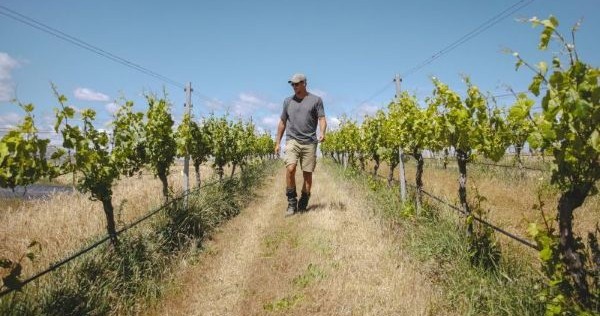
A major Pinot Noir clonal trial in Central Otago is providing grape growers and winemakers with new insights into how different clones perform under identical vineyard conditions.
Established by Riversun Nursery and Otago Polytechnic, and analysed by the Bragato Research Institute (BRI), the trial compares 12 commercially available Pinot Noir clones grown on the same site, rootstock and soils at Bannockburn.
The research combined vineyard measurements, wine chemistry and sensory evaluation across the 2024 and 2025 vintages. While seasonal conditions proved to be the biggest driver of variation between wines, the study identified consistent clonal differences in ripening, colour intensity, phenolic composition and flavour profiles.
Clone 943 stood out for its deeper colour, stronger phenolic structure and greater complexity, while MV6 also showed high phenolic concentration. Abel and AM 10/5 produced higher yields but required more careful crop management to achieve desired ripeness levels.
Researchers say the findings highlight the importance of matching clone selection to site and wine style, while supporting the use of mixed-clone plantings to improve resilience and blending options in New Zealand vineyards.
The Malaghan Institute's CAR T-cell research team has received a Health Research Council of New Zealand project grant to enhance cancer-killing CAR T-cells by improving their metabolic 'fitness'. The grant, worth $1.2 million over three years, aims to help these modified immune cells better perform in adverse environments caused by solid tumours - one of the current limitations of this ground-breaking therapy.
"Internationally, CAR T-cell therapies similar to the one being assessed in the Malaghan's ENABLE-2 clinical trial are revolutionising cancer therapy by training a patient's own immune system, specifically their T-cells, to hunt and kill cancer cells," says Senior Research Fellow Dr David O'Sullivan who is leading the project.
While several CAR T-cell therapies are in routine use overseas for the treatment of certain blood cancers, the therapy has yet to break significant clinical ground for the treatment of solid tumours.
"Although successful in treating blood cancers, the full potential of these therapies for solid cancers is yet to be achieved. As 'living drugs' CAR T-cells are vulnerable to immune suppression caused by tumours which can impair their cancer-killing activity."
Solid tumours are particularly efficient at suppressing the immune system and use a number of perverse strategies - like nutrient depletion - to stymie the effectiveness of immunotherapies like CAR T-cell therapy.
The Gisborne Herald recently reported on a new molecular biology laboratory at Gisborne-based Mātai Medical Research Institute which will host a bowel cancer screening project.
Dr Jordon Lima (Ngāti Porou, Te Aitanga a Hauiti, Ngāpuhi), who was born in Whāngārā on the East Coast, received a 2025 Otago Health Sciences Māori Postdoctoral Fellowship to establish a new molecular biology laboratory at Mātai.
Jordon will use the lab to run a "proof-of-concept study" testing whether a simple blood test can provide timely bowel cancer detection for people in Te Tairāwhiti who are on long waiting lists for a colonoscopy.
Patients on the non-urgent colonoscopy waiting list in Te Tairāwhiti will be invited to provide a blood sample to be tested for circulating tumour DNA (ctDNA), DNA shed from a tumour into the blood. Those results will be compared with colonoscopy data to assess how accurately the blood test can detect tumours.
Currently, those aged between 58 and 74 are offered a self-testing kit from the National Bowel Screening Programme (NBSP) every two years. Those who test positive are referred for a colonoscopy.
When couples separate, shared care arrangements are typically measured by how parenting time is divided - but the sharing of resources, tasks, and informal support matters too.
A new study by Kate Prickett at Motu Economic and Public Policy Research examines how in-kind support within shared care arrangements shapes parental anxiety and depressive symptoms.
Using data from the 2022 New Zealand Income Support Survey, the study found that nearly one in five families (19%) had a shared care arrangement, where children spend time living across multiple households. Families with shared care arrangements tended to be more disadvantaged than two-parent families, but generally better off than sole-parent families.
The study highlights the importance of in-kind support, such as providing clothing, food, transport, and helping cover children's activities. Parents who reported lower levels of support from the other caregiver were more likely to experience anxiety and depressive symptoms than those receiving moderate or high levels of support.
The findings suggest that shared care arrangements vary considerably in both resources and support. Researchers say policies focused primarily on formal child support payments may overlook other important forms of assistance that contribute to parental wellbeing and family stability.
Following the catastrophic failure of the Moa Point wastewater treatment plant earlier this year, Wellington beaches have reopened for swimming (for the extremely hardy) - but questions remain about when it is truly safe to get back in the water.
Dragonfly Data Science Managing Director Dr Edward Abraham has been closely monitoring conditions around Wellington's coastline and says swimmers should combine official advice with practical judgement.
Although wastewater continues to be discharged around two kilometres offshore, Edward says strong Cook Strait currents and natural dilution generally reduce risks for most beach users. Instead, heavy rainfall is often the greater concern, as stormwater runoff can carry bacteria and pollutants into the sea.
"If you see water coming into an urban environment from, say, a stormwater drain, second-guess your decision to jump in."
Edward recommends checking conditions through LAWA and Wellington Water updates, while also considering recent rainfall, tides, wind direction, and visible local conditions before swimming.
Over the past several years, a new resilient coastline, seawall and shared path has taken shape on the western side of Wellington Harbour. Due to open on 16 May, WSP played a role in the Ngauranga to Petone (Ngā Ūranga ki Pito One) section of Te Ara Tupua - testing the project's concrete for strength and durability.
WSP's testing has happened a stone's throw from the project site - at its Petone research and innovation facility.
At regular intervals, cylindrical specimens of wet concrete used on the project were delivered to WSP technicians. On average, samples came from every third truck of concrete.
After 28 and 56 days' conditioning in a purpose-built fog room, specialist equipment was used to compress the samples until they broke. They all had to meet certain standards of rated strength, ranging from twenty-five to fifty megapascals.
WSP has tested the project's bridge components, kerbing, and interlocking units that make up parts of the seawall.
WSP team leader for asset performance Jonty Glen says it's pleasingly unusual to be testing samples from a major civil engineering job located right on WSP's doorstep.
The Bragato Research Institute (BRI) has launched a new Grower Trials initiative that places growers and viticulturists at the centre of the research process, focusing on answering applied research problems.
The initiative supports grape growers and viticulturists in testing new ideas or addressing practical challenges on their own vineyards. BRI provides funding and support to ensure the trials will yield results that can be shared with the wider industry.
Grower Trials are developed collaboratively between growers and researchers to ensure that trial designs are both scientifically robust and operationally realistic. BRI and other industry partners will support participants throughout the project, for example, with planning, trial design, data collection, and communication.
The trials should produce results that can be shared with the wider winegrowing community either regionally or nationally. Each trial will contribute to BRI's knowledge transfer programme, with findings shared through relevant field days, workshops, presentations and written updates. The emphasis is on results that are accessible, practical and directly relevant to growers and winemakers.
Mātai: Study highlights impact of meth on brain health
A team from Mātai Medical Research Institute and the University of Auckland Centre for Brain Research used MRI scans to study the brains of 13 people who'd recently stopped using meth, after an average of 15 years. The study's lead author Ben Bristow spoke to Ingrid Hipkiss at RNZ.
Malaghan: Our Changing World - Building NZ's RNA capabilities
Malaghan RNA technology experts and pillar leads for the RNA Development Platform Dr Lisa Connor and Dr Rebecca McKenzie talk to Dr Claire Concannon from RNZ's Our Changing World about increasing New Zealand's capacity in RNA technology.
Cawthron: Fish futures - supporting care and protection of freshwater fisheries
Dr Robin Holmes from the Cawthron Institute talks on freshwater fisheries. He shares the challenges facing our rivers, lakes, and wetlands, from climate change to introduced species, and highlighted how careful, targeted management can help support species like kōura, eel, trout, and salmon.
IRANZ has gone social. For up-to-date information about the activities of our member organisations and notification of updates to the website follow us on the link below.
IRANZ is an association of independent research organisations. Its members undertake scientific research, development or technology transfer. Members include Aqualinc Research Ltd, Bragato Research Institute, BRANZ, Cawthron Institute, DigiLab, Dragonfly Data Science, Gillies McIndoe Research Institute, HauHau Research, Heavy Engineering Research Association (HERA), International Global Change Institute (IGCI), Leather & Shoe Research Association (LASRA), Lincoln Agritech Ltd, Mackie Research, Malaghan Institute of Medical Research, Manawatū AgriFood Digital Lab, Medical Research Institute of New Zealand (MRINZ), Mātai Medical Research, M.E Research, Motu Economic and Public Policy Research, National Transport Research Organisation (NTRO), Scarlatti, Spatial Justice Aotearoa, Takarangi Research Group, Te Tira Whakāmataki, Urban Intelligence, and WSP Research.
Contact: Dr Rob Whitney, Executive Officer, mobile: +64 27 2921050, email: information@iranz.org.nz









 MORE →