As we begin 2026, I am struck by the depth of achievement and the breadth of impact across our independent research community. From global honours and leadership appointments to internationally recognised laboratory excellence and critical policy engagement here at home, the strength of Aotearoa New Zealand’s independent research sector is on full display.
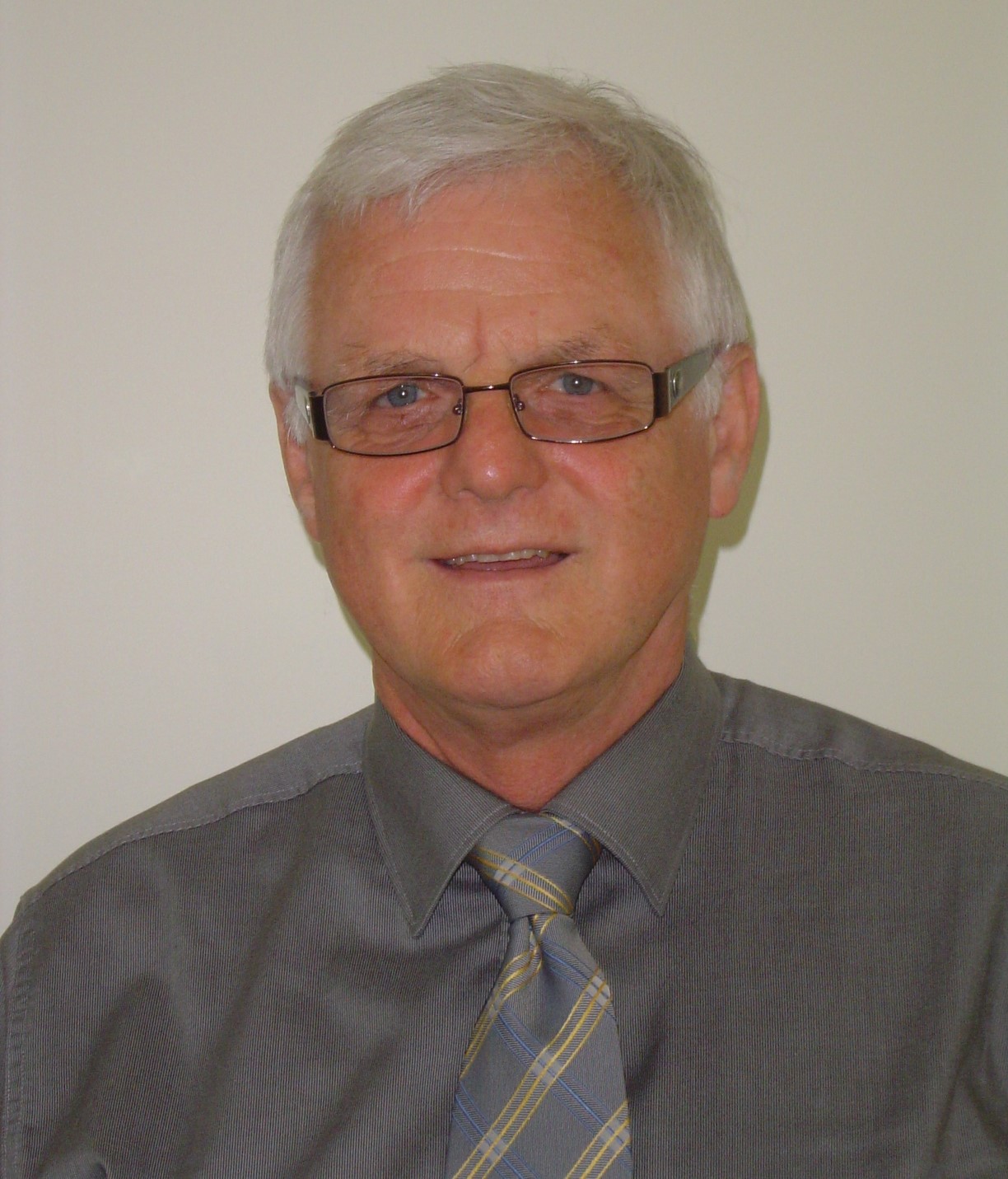
I would like to begin by congratulating Sir Graham Le Gros on being appointed a Knight Companion of the New Zealand Order of Merit in the 2026 New Year Honours. This recognition reflects a lifetime of service to medical science and to New Zealand. During his three decades as Director of the Malaghan Institute of Medical Research, Sir Graham helped transform the institute into a world-class centre for immunology and biomedical innovation, advancing research across cancer, infectious disease, allergy, autoimmunity and inflammatory conditions. His leadership has strengthened national capability and ensured that New Zealanders have early access to ground-breaking treatments. We warmly acknowledge this richly deserved honour.
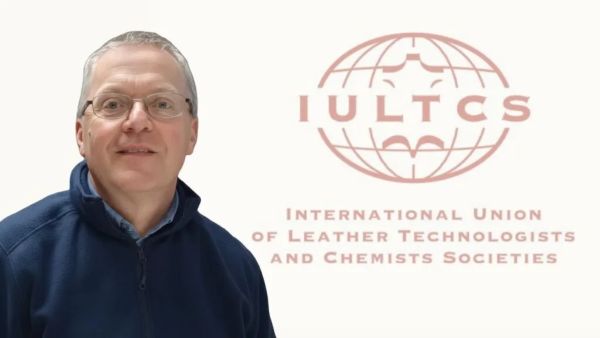
We also congratulate Geoff Holmes, Director of LASRA, on his appointment as President of the International Union of Leather Technologists and Chemists Societies for 2026-2027. This is both a personal achievement and a reflection of New Zealand's standing in applied science and industry collaboration. Geoff's emphasis on education, standards, and active national participation speaks directly to the importance of sustained scientific leadership in global networks.
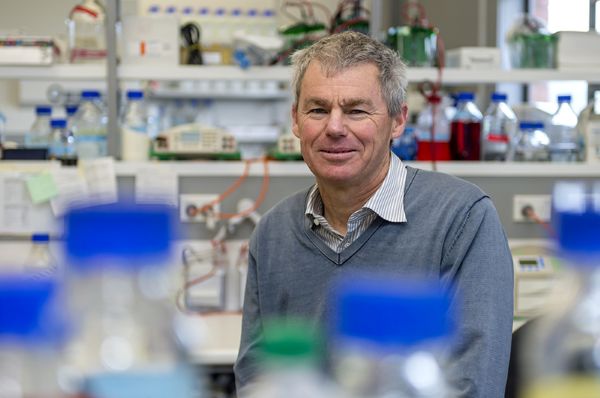
Excellence in research is also sustained by those whose work often happens behind the scenes. Congratulations to Erin Paterson, Laboratory Manager at the Gillies McIndoe Research Institute, who has received the 2025 Lab Heroes Award™, an international honour recognising outstanding contributions to research laboratories worldwide. Erin's professionalism, organisational skill, and commitment to creating safe and supportive laboratory environments exemplify the critical infrastructure that underpins high-quality science.
Meanwhile, in Tairāwhiti, Dr Tim Salmond of Mātai Medical Research Institute has been awarded a 2026 Health Research Council Clinical Research Training Fellowship. His "Decode" trial will examine whether adding continuous glucose monitoring to diabetes self-management education can improve outcomes for people living with type 2 diabetes. This work is particularly significant for Māori and Pasifika communities, where the burden of disease is both earlier and greater. It is an excellent example of rigorous, locally grounded research with clear potential to inform future health policy and funding decisions.
Alongside celebrating these achievements, we must also remain attentive to the policy settings that enable such capability to flourish. The building and construction sector is undergoing its most significant reform in decades. As BRANZ CEO Claire Falck outlines in her article below, proposed changes to the long-standing Building Research Levy aim to introduce greater simplicity and competition. While IRANZ supports the intent to modernise the system, we share BRANZ's concern that removing a protected, industry-backed funding base without appropriate safeguards risks eroding specialist, public-good building science capability that has taken nearly 60 years to build.
On behalf of IRANZ, I am writing to Members of Parliament to support BRANZ's call to modernise rather than repeal the Levy, and to advocate for ring-fenced baseline funding, multi-year support for critical infrastructure, and protection for long-term research programmes. Across our membership, we have seen how fragile specialist capability becomes when forced to rely solely on short-cycle contestable funding. The consequences can be quiet but irreversible.
Together, these stories reflect both the excellence and the responsibility of our independent research sector. We celebrate achievement, but we also stand ready to ensure that the policy foundations supporting that achievement remain strong, stable, and fit for the future.
LASRA Director Geoff Holmes takes over as the International Union of Leather Technologists and Chemists Societies (IULTCS) President for 2026-2027. Image: LASRA.
Sir Graham Le Gros has been promoted to Knight Companion of the New Zealand Order of Merit for services to medical science in the 2026 New Year Honours, acknowledging a legacy that has fundamentally shaped New Zealand's ability to respond to major health challenges, build sustainable research capacity, and give Kiwis early access to ground-breaking treatments.
Sir Graham served as director of the Malaghan Institute of Medical Research from 1994 until the end of 2024, and continues his service to the institute as deputy chair. Over three decades of leadership, he transformed the independent charity into a world-class centre for immunology and biomedical innovation, undertaking cutting-edge research across cancer, infectious disease, autoimmune, allergy and inflammatory conditions.
Chair of the Malaghan Institute, Sir Paul Collins, says the honour is richly deserved and reflects a lifetime of service that has led to improved health outcomes, strengthened national capability, and inspired public confidence in science.
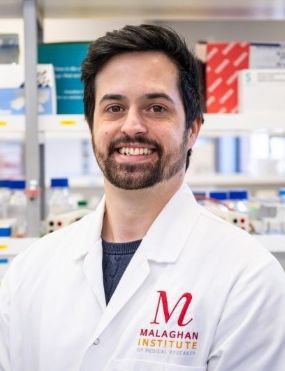
Sir Graham and his team brought CAR T-cell therapy to New Zealand, leading to the country's first CAR T-cell clinical trial and laying the groundwork to make this advanced cancer therapy standard of care. Photo: Malaghan Institute of Medical Research.
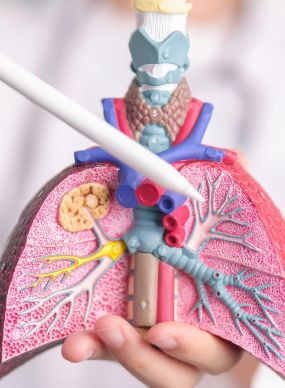
A major international study has found the beta-blocker bisoprolol is safe for people living with chronic obstructive pulmonary disease (COPD), challenging long-held concerns about its use in this group.
COPD is a leading cause of hospital admissions in New Zealand. Many people with COPD die from cardiovascular disease as often as from their lung condition, making effective heart treatment essential. Yet patients with COPD have often been excluded from cardiovascular trials, leaving uncertainty about the safety of common therapies.
Beta-blockers were traditionally considered unsuitable for COPD, despite observational evidence suggesting they may reduce mortality and hospitalisations.
The two-year, multicentre randomised controlled PACE trial, published in The Lancet Respiratory Medicine, shows that bisoprolol, a cardio-selective beta-blocker, can be used safely in people with COPD. While no additional benefit was seen across the broad study population, the findings highlight the need for further research to identify which patients may benefit most.
Professor Richard Beasley, MRINZ Director, says the trial provides important evidence to guide safe, evidence-based care for people with both COPD and heart disease.
Research from the Malaghan Institute and the Babraham Institute in the United Kingdom has offered new insights into germinal centres, immune hubs where infection-fighting antibodies are made. Published in Science Immunology, the findings add an important layer of understanding into the resilience of germinal centres, and the role of individual immune cells in helping maintain a robust and long-lasting immune response to infectious threats, with implications for future vaccine design.
Grant Kennedy, a Senior Data Scientist working within Dr Michelle Linterman's lab at the Malaghan Institute, says they set out to look more deeply into the role of helper T-cells in germinal centres using cutting-edge bioinformatics and genetic tools.
"In germinal centres, B-cells are trained to become antibody secreting cells that can stop pathogens through the production of highly specific antibodies. This process is helped by T-cells, in particular, helper T-cells. We know that the germinal centre response depends on these helper T-cells but how they do this in germinal centres is not well understood.
“In our research we targeted the helper T-cells using gene-editing tools, deleting them in the middle of the germinal centre response to an infection...”
Researchers at the Gillies McIndoe Research Institute have reported new findings in Oncology Research suggesting that mebendazole - a long-established antiparasitic medicine - may help limit the spread of meningioma, the most common primary brain tumour.
Although many meningiomas grow slowly, some develop invasive behaviour linked to higher recurrence rates and poorer patient outcomes. This has driven the search for therapies that can curb tumour spread as well as growth.
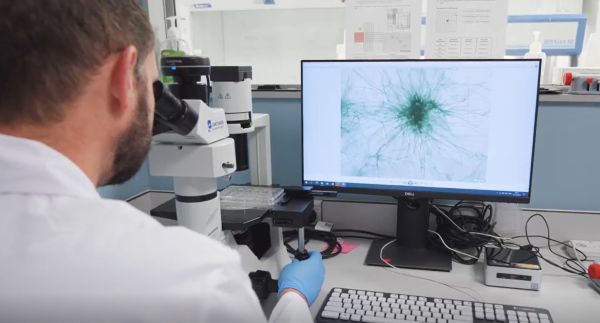
Using patient-derived meningioma cells grown in advanced 3D culture models, the research team found that mebendazole prevented invasive behaviour in most samples tested. The results indicate the drug may work by disrupting internal cellular structures that cancer cells rely on to move into surrounding tissue.
While further investigation is required, the researchers say the findings are encouraging. With its known safety profile, high tolerability, and low cost, mebendazole could be a strong candidate for repurposing as a meningioma treatment. The study adds to international efforts to identify safer, more accessible cancer therapies through drug repurposing.
The Gisborne Herald (21 January) reported that Mātai Medical Research Institute senior research associate Dr Tim Salmond has been awarded a 2026 Health Research Council of New Zealand Clinical Research Training Fellowship.
The fellowship will support Tim's PhD research, centred on a randomised clinical trial known as "Decode". The study will examine whether adding real-time continuous glucose monitoring (CGM) to a diabetes self-management education (DSME) programme can improve diabetes control and key health markers for people living with type 2 diabetes.
Diabetes has a significant impact on Tairāwhiti whānau, with Māori and Pasifika often diagnosed earlier and experiencing greater health burdens. The Decode trial will include detailed assessments not typically available in the public health system, including MRI scans to measure organ fat, a modified glucose tolerance test, and metabolic testing at rest and during exercise.
The research team will also evaluate cost-effectiveness, building evidence to inform future funding decisions around CGM use in DSME programmes.
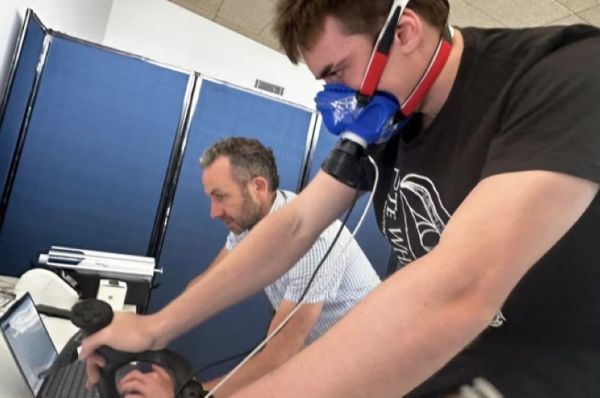
Dr Tim Salmond, left, with Tom Gerlach, performing an exercise test at the cardiometabolic lab at Mātai in Gisborne. Tim has been awarded a fellowship to support his PhD research into diabetes. Photo: Mātai.
An updated analysis by David Maré, Senior Fellow at Motu Research, highlights the scale of New Zealand's gender and ethnic pay gaps, estimating they represent up to $20 billion a year in unequal earnings.
Using updated Statistics New Zealand data from June 2025, the research shows women's median hourly pay ($33.76) remains 5.2% lower than men's ($35.62). When measured using average pay rates — which better capture disparities at higher incomes — the gap widens to $3.75 per hour. Equalising average pay would increase women's earnings by $7.8 billion annually, around 4.2% of all wages paid in 2025.
The research also reveals substantial ethnic pay gaps. Compared with NZ European/Pākehā men, Māori, Pacific, and Asian workers earn markedly less on average, with wāhine Māori and Pacific women facing combined gender and ethnic gaps exceeding 20%.
Even after accounting for factors such as education, age, occupation, and location, a gap of $14.1 billion remains. Evidence shows that within-firm pay practices play a major role, suggesting employers have significant scope to reduce inequities through transparent and structured pay systems.
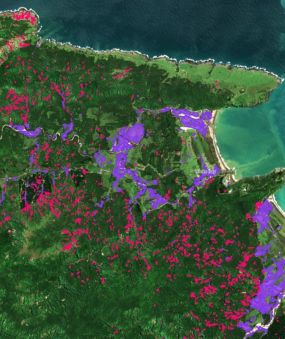
A satellite map reveals the scale of devastation across the East Cape following the January 2026 storm, identifying more than 11,000 landslips, and silt damage covering an area of 900 hectares, as communities remain isolated due to road blockages.
Dragonfly Environmental Data Scientist Dr Yvan Richard and front-end developer Kusal Ekanayake developed the East Coast Slip Map to provide a region-wide overview of the damage, identifying visible evidence of landslides and silt movement by comparing satellite imagery taken before and after the storm.
Dr Finlay Thompson, Director of Data Science at Dragonfly, says that the goal was to create a clear, accessible, and large-scale snapshot of what happened across the area.
"Satellite imagery should be viewed as a crucial response tool in the aftermath of any disaster," says Finlay. "It provides a birds-eye view of the area following an intense and highly localised storm event such as this one, and allows for individual slips and silted areas to be identified."
"We hope this map helps build a clearer picture of how the landscape responded to the storm, supporting landowners, councils, and government agencies with the cleanup."
New Zealand's building and construction sector is entering its biggest shake up in decades. As we navigate through 2026, almost every part of the system is under review - how buildings are consented, how liability is shared, how risks are managed, and how consumers are protected. But not all changes under consideration sit at the centre of the debate, and the risks they carry can be easy to miss, as BRANZ CEO Claire Falck explains.
"Less visible, but no less important to our sector, are proposed changes to how building research is funded. The government plans to remove the dedicated Building Research Levy that has supported building research for nearly 60 years and replace it with a different funding mechanism.
"The aim is to achieve greater simplicity and more competition. BRANZ supports that direction. A more open, outward-looking research system is a good thing.
"But what has been proposed also deserves an honest, clear-eyed assessment of risk. Without that understanding, reforms designed to strengthen the building sector could instead weaken the independent, public-good building science capability that was created by industry and has taken nearly 60 years to build."
A Cawthron scientist and his collaborators have developed a cutting-edge method to better understand where the powerful greenhouse gas nitrous oxide (N₂O) comes from in aquatic environments — and it might change how we think about sources of climate pollution.
Cawthron Algal Biotechnologist Dr Maxence Plouviez and the interdisciplinary team behind a new study published in Biogeosciences have shown for the first time that microalgae and cyanobacteria — tiny organisms that live in water — leave distinct isotopic 'fingerprints' in the nitrous oxide they produce. This means researchers can now begin to untangle how much of this pollutant comes from algae versus other microorganisms.
"This breakthrough gives us a tool to trace where nitrous oxide is coming from in complex aquatic environments," says Dr Plouviez, "It opens the door to more accurate greenhouse-gas accounting and, eventually, improved mitigation strategies."
Nitrous oxide is a potent greenhouse gas and contributor to ozone depletion, with far more warming potential per molecule than carbon dioxide. Until now, scientists have struggled to distinguish N₂O made by microalgae from the gas produced by other organisms such as bacteria in aquatic ecosystems.
Crop pests and diseases remain one of agriculture's most costly challenges, responsible for more than $360 billion in losses each year globally.
In New Zealand, a threat to apple growers is bull's-eye rot, a fungal disease that infects fruit during the growing season but remains invisible until post-harvest, affecting stored and eventually shipped fruit.
Detecting it only in the target markets results in significant financial and reputational losses.
With New Zealand's apple exports reaching a record $1 billion in 2025, early detection is crucial but has been impossible with conventional sensing technology.
As part of the STELLA Horizon Europe project, Lincoln Agritech is piloting a new approach in Hawke's Bay, New Zealand's largest apple-growing region.
The team has deployed automated spore samplers, UAV, and satellite imagery to monitor environmental conditions, canopy features and pathogen activity. These data streams will feed into STELLA's AI-powered risk models which could complement New Zealand models on this disease.
Researchers from Bragato Research Institute (BRI) and Victoria University of Wellington are investigating the genetic diversity of Botrytis cinerea and the laccase enzymes it produces - key contributors to wine spoilage. Annabel Whibley and Ngarita Warden (BRI), alongside Wayne Patrick (VUW), are combining genome sequencing and biochemical analysis to understand how these enzymes vary between strains and how they might be removed during winemaking.
In a pilot study, samples from six vineyards across Gisborne, Hawke's Bay and Marlborough yielded 11 distinct B. cinerea strains. The BRI team sequenced each genome to map diversity across New Zealand vineyards. Meanwhile, the VUW team purified a major laccase from infected Gisborne Chardonnay fruit and modelled its atomic structure to predict how strain-specific differences affect enzyme behaviour.
With their pipeline established, the researchers are expanding sampling in 2026 and are calling for botrytised fruit from vineyards nationwide to better understand regional and varietal differences and guide future management strategies.
A new LASRA SSIF Platform project is transforming a common leather-processing waste into a high-value resource for energy storage technologies. The focus is on chrome shavings, a biomass-rich byproduct, which are being repurposed into ultra-thin films for use in advanced energy-storage components.
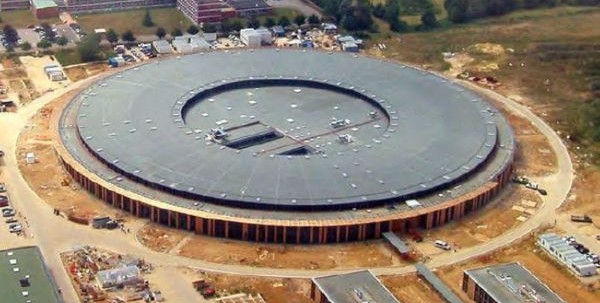
Rather than relying on costly chemical treatments, the project takes advantage of the material's naturally crosslinked structure, offering a more sustainable and efficient pathway for material preparation. To date, researchers have successfully produced eleven chrome-shaving-based film formulations. In-house physical and thermal characterisation has been completed, while advanced Small-Angle X-ray Scattering (SAXS) experiments were undertaken at SOLEIL in France.
Preliminary results are promising. Most films achieved consistent thicknesses of under 20 nanometres, and mechanical and thermal properties were comparable across formulations. Importantly, the preparation method shows strong potential for scale-up.
Ongoing work includes detailed SAXS data modelling and electrochemical testing by collaborators at Earth Sciences New Zealand (ESNZ), with a decision pending on further SANS analysis.
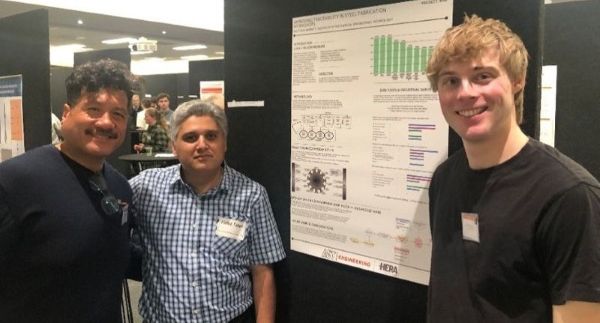
For his final-year engineering project, AUT student Matthew Barrett set out to answer a deceptively simple question: What if the markings, notes, and cues fabricators already use could be captured digitally without changing the way they work?
The idea was sparked a year earlier during an AUT scholarship programme that took Matthew through advanced manufacturing sites and research centres in India and Malaysia. What stood out to him wasn't just the machinery.
"I found it fascinating to see how physical work, planning decisions, quality checks, and digital records all flowed together as one process," he says. "Seeing how those environments made industrial processes feel integrated and natural left a strong impression on me."
Back in New Zealand, an opportunity arose to explore similar ideas with HERA. At first, he approached the project from a traditional angle of industrial traceability. But after spending time on workshop floors and observing how coordination actually happens, the challenge crystallised into something more practical: digitise what already works.
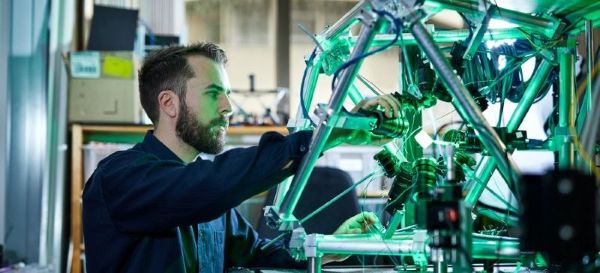
Matthew's final-year research project was supervised by Dr Junior Nomani at AUT and Drs Michail Karpenko and Hafez Taheri at HERA, and was showcased at the AUT Engineering Student Showcase 2025 on 30 October. Photo: HERA.
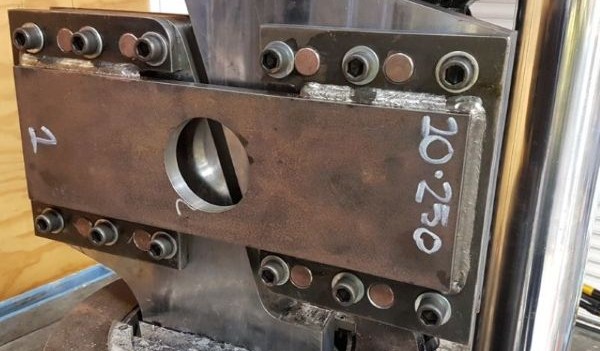
Steel is one of the strongest alloys known to humankind. But even this formidable metal has a breaking point. WSP's structural testing team spend their days pushing materials like this to the limit and making sure built structures meet Aotearoa New Zealand's exacting performance standards.
A length of steel reinforcing bar (rebar) is clamped in the jaws of a gigantic industrial machine that can stretch and compress with awesome force.
Nearby is a reinforced concrete floor. Dotted with threaded sockets, the 'strong floor' has been specially designed so building materials and structures can be bolted down - twisted and torqued, bashed and thrashed.
Sitting in a corner is an unassuming hydraulic jack. Able to exert two hundred tonnes of force, it applies precise, high-pressure tension to steel wires, strands, and fibres.
Senior engineer for structural performance Cameron Moore and engineering performance technologist Michael Shanks have their hands full here year-round - testing incoming batches of steel, approving materials to meet safety and performance standards, and assessing rebar samples from bridges and buildings.
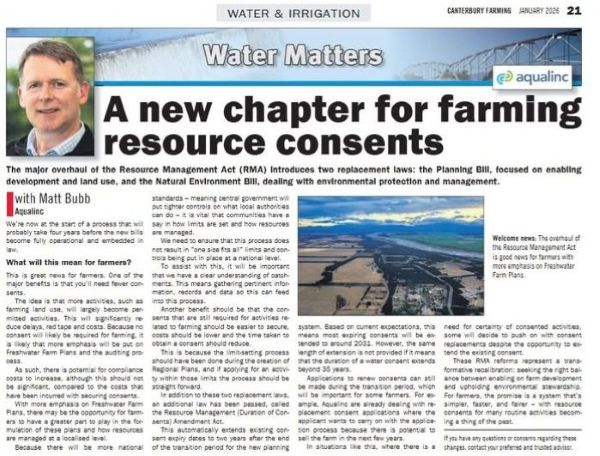
In the January issue of Canterbury Farming, Aqualinc's Principal Environmental Management Consultant Matt Bubb talks about the recent changes for consenting in the RMA.
"The major overhaul of the Resource Management Act (RMA) introduces two replacement laws: the Planning Bill, focused on enabling development and land use, and the Natural Environment Bill, dealing with environmental protection and management.
"What will this mean for farmers? This is great news for farmers. One of the major benefits is that you'll need fewer consents.
"The idea is that more activities, such as farming land use, will largely become permitted activities. This will significantly reduce delays, red tape, and costs. Because no consent will likely be required farming, it is likely that more emphasis will be put on freshwater Farm Plans and the auditing process.
"As such, there is potential for compliance costs to increase, although this should not be significant compared to the costs that have been incurred with securing consents."
Dr Kit Moloney-Geany is investigating one of the immune system's oddities - tiny lymph node-like structures that pop up in response to inflammation and may hold important clues to how we fight disease. Photo: Malaghan Institute.
"My research focuses on how immune cells within the lung organise themselves into structures known as tertiary lymphoid structures," says Dr Kit Moloney-Geany, who works in Dr Kerry Hilligan's Lab at the Malaghan Institute. "They share many similarities to lymph nodes, helping drive adaptive immune responses within the lung tissue. Our interest is on how these structures form and what influence they have on disease outcomes."
Tertiary lymphoid structures are small clusters of immune cells that form in tissues outside the lymph system - where B-cells and T-cells are called in and put to work. This is unusual, as typically the coordination of B- and T-cells takes place within lymph nodes - designated sites around the body like the armpit, groin or neck that act as coordination hubs for immune responses.
Whenever there is damage to cells, whether by bacteria, virus or other assault, we see inflammation - the first step in overcoming any threat. And where there is inflammation, we find tertiary lymphoid structures forming like barnacles on a ship.
A new evaluation by Motu Economic and Public Policy Research of the Government's Research and Development Tax Incentive (RDTI) finds the scheme is having a positive impact on business investment in research and development and delivering significant economic benefits for Aotearoa New Zealand.
This is the first major independent assessment of the RDTI since its introduction in 2019. The evaluation shows that for every $1 of government spenicle-body" style="color:#525252; font-family:Arial, Helvetica, sans-serif; font-size:12px; line-height:18px; text-align:left" align="left" valign="top" width="580">
A new evaluation by Motu Economic and Public Policy Research of the Government's Research and Development Tax Incentive (RDTI) finds the scheme is having a positive impact on business investment in research and development and delivering significant economic benefits for Aotearoa New Zealand.
This is the first major independent assessment of the RDTI since its introduction in 2019. The evaluation shows that for every $1 of government spending through the incentive, firms invested an additional $1.40 in R&D. The resulting increase in R&D activity is estimated to have generated a $6.77 billion impact on New Zealand's GDP, equivalent to around 4.2 times the level of government investment.
Quantitative analysis found that firms supported by the RDTI spent more on R&D than they would have otherwise, with stronger effects observed among smaller firms. Qualitative evidence indicates that most businesses experienced positive impacts on R&D activity and wider business outcomes. Firms with international operations also reported that the RDTI plays an important role in attracting and retaining R&D work in New Zealand.
From low-cost granny flat designs to AI-powered tools, 22 new projects will share $11.5 million in Building Research Levy funding, driving innovation and affordability for New Zealand's buildings.
A Building Research Levy of 0.1% is collected from all building consents over $20,000. Every year, it's invested into industry-led contestable funding for universities, industry groups, and researchers to deliver practical solutions to reduce costs, lift quality, and improve resilience and sustainability in Kiwi buildings.
A key priority is housing affordability, with 13 projects this year focused on lowering building, maintenance, and living costs, improving efficiency, and delivering more affordable housing options.
Decisions on where to invest the Building Research Levy are guided by the Research Investment Advisory Group, an independent panel of sector experts.
"Industry leadership in building research decisions is critical," says Paul Campbell, representing Engineering NZ and Chair of the Research Investment Advisory Group. "These projects were chosen through a rigorous process to deliver tools and outcomes that make a tangible difference for the sector."
A new study led by LASRA director Geoff Holmes is using Digital Twin technology to better understand how wet-end chemistry influences the physical behaviour of leather during drying. By moving beyond traditional trial-and-error methods, the research demonstrates how virtual modelling can predict structural outcomes in hides before processing begins.
The team focused on a phenomenon they call "hygroscopic memory" - the tendency of collagen fibres to retain moisture based on specific chemical conditions during neutralisation. Using a proprietary Vapour Barrier Index (VBI), the study identified pH 5.7 as a critical point where structural changes occur within the collagen matrix.
Trials on New Zealand steer hide showed that samples neutralised at pH 5.7 retained 10.2% more water than controls. The Digital Twin model flagged this as a high "stall risk", where moisture becomes unevenly trapped, complicating drying, staking, and milling.
The findings offer tanners a predictive tool to optimise drying energy use and achieve more consistent moisture distribution during the crust stage.
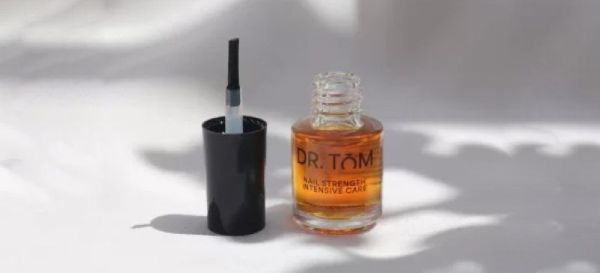
New Zealand's low-grade wool is finding new life in unexpected places, from air filters and pigments to textiles and now, nail care.
The team at Lincoln Agritech is working to transform low-value biological resources into high-value, commercially viable products.
Its latest success story is a collaboration with "Dr. Tom Nail Care", a New Zealand-made nail hardener that uses keratin extracted from low-grade wool to help harden and protect nails.
The idea came from Dr Tom Cawood, a hospital doctor and classical guitarist, who was looking for a natural solution to brittle nails, a common problem for guitarists.
Group Manager for New Materials and Biotechnology at Lincoln Agritech, Dr Rob Kelly, and his team, have spent years deconstructing and rebuilding keratin structures, such as wool and nails, and using that knowledge to create high value applications.
For this project, their innovation was using keratin from wool to create a model nail system that accurately represented real nails but was able to be easily measured and tested. This approach allowed the team to measure improvements in nail strength and validate the product's performance.
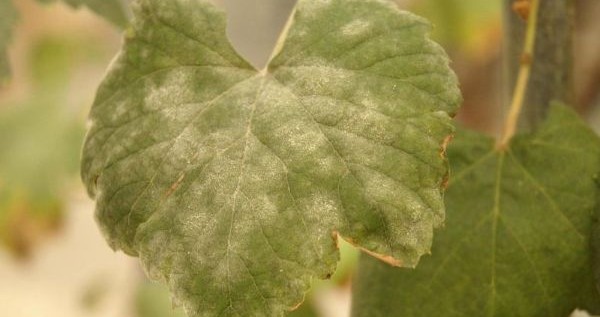
Dr Yusmiati Liau of Bragato Research Institute writes that a recent pilot study has identified moderate resistance to several key fungicide groups in grapevine powdery mildew populations in Marlborough and Hawke's Bay, highlighting the need for careful resistance management in New Zealand vineyards.
Powdery mildew (Erysiphe necator) remains a major challenge for grape growers, with even minor infections affecting wine quality. Dr Liau explains that while multi-site fungicides such as sulphur and copper are less prone to resistance, modern single-site fungicides are more vulnerable because the pathogen can adapt through small genetic changes.
The 2025 study, conducted with the New Zealand Institute for Bioeconomy Science, combined traditional fungicide sensitivity testing with molecular diagnostics. The results showed widespread resistance in Marlborough vineyards, while resistance levels in Hawke's Bay were mixed.
Dr Liau notes that newer fungicides remain effective but stresses that rotation between fungicide groups and ongoing monitoring are essential to maintain their long-term effectiveness.
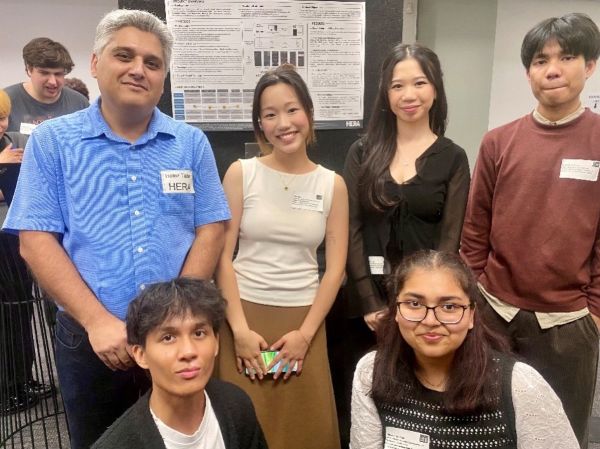
Bolt inspections might seem like a small part of a construction project, but they play a crucial role in ensuring the integrity and safety of steel structures. Traditionally, these inspections are done manually, often relying on paper-based records and visual checks. While this approach has worked for decades, it can be slow, inconsistent, and vulnerable to human error.
For their final-year engineering project, a team of AUT students set out to change that. Their goal was to modernise bolt inspections using Computer Vision and Augmented Reality (AR). They wanted to create a tool that didn't just digitise the process but genuinely improved it, making inspections faster, more reliable, and easier to document. By combining real-time bolt detection with on-screen guidance through AR, the team aimed to give inspectors a smarter way to work, one that reduces human error while enhancing safety and quality assurance on site.
The students' final-year research project was supervised by Dr Kien Tran from AUT and Drs Michail Karpenko and Hafez Taheri from HERA, and was showcased at the AUT BCIS Student Showcase 2025 on 6 November. The Project team members were Chloe Kua, Gio Hanns Turtal, John Miguel Maranan, Mardiliza Lay, and Shushmita Paul. Photo: HERA.
Dr Tim Salmond, Mātai Senior Research Associate, spoke with Waatea News about his diabetes research exploring increased autonomy in diabetes care using continuous glucose monitoring (CGM). Participants can see in real time how everyday life - from food and sleep to stress and activity - affects their blood sugar, supporting greater understanding and control of their own care.
RNZ's Nine to Noon spoke to Motu's Senior Fellow Tadhg Ryan-Charleton about Motu's research evaluating the Government's Research and Development Tax Incentive (RDTI) for business. This report is the first major piece of evidence about the impact of the RDTI and how well it is working.
Lincoln Agritech: AI-driven apple disease detection
STELLA, launched in 2024 under the EU's ninth seven-year research and development framework, Horizon Europe, aims to transform crop and ecosystem protection by integrating digital technologies, AI, and real-time data into a unified decision-support platform - a pest surveillance system. Lincoln Agritech's involvement strengthens New Zealand's capabilities in precision agriculture, remote sensing, and AI-driven decision-making.
IRANZ has gone social. For up-to-date information about the activities of our member organisations and notification of updates to the website follow us on the link below.
IRANZ is an association of independent research organisations. Its members undertake scientific research, development or technology transfer. Members include Aqualinc Research Ltd, Bragato Research Institute, BRANZ, Cawthron Institute, DigiLab, Dragonfly Data Science, Gillies McIndoe Research Institute, HauHau Research, Heavy Engineering Research Association (HERA), International Global Change Institute (IGCI), Leather & Shoe Research Association (LASRA), Lincoln Agritech Ltd, Mackie Research, Malaghan Institute of Medical Research, Manawatū AgriFood Digital Lab, Medical Research Institute of New Zealand (MRINZ), Mātai Medical Research, M.E Research, Motu Economic and Public Policy Research, National Transport Research Organisation (NTRO), Scarlatti, Takarangi Research Group, Te Tira Whakāmataki, and WSP Research.
Contact: Dr Rob Whitney, Executive Officer, mobile: +64 27 2921050, email: information@iranz.org.nz